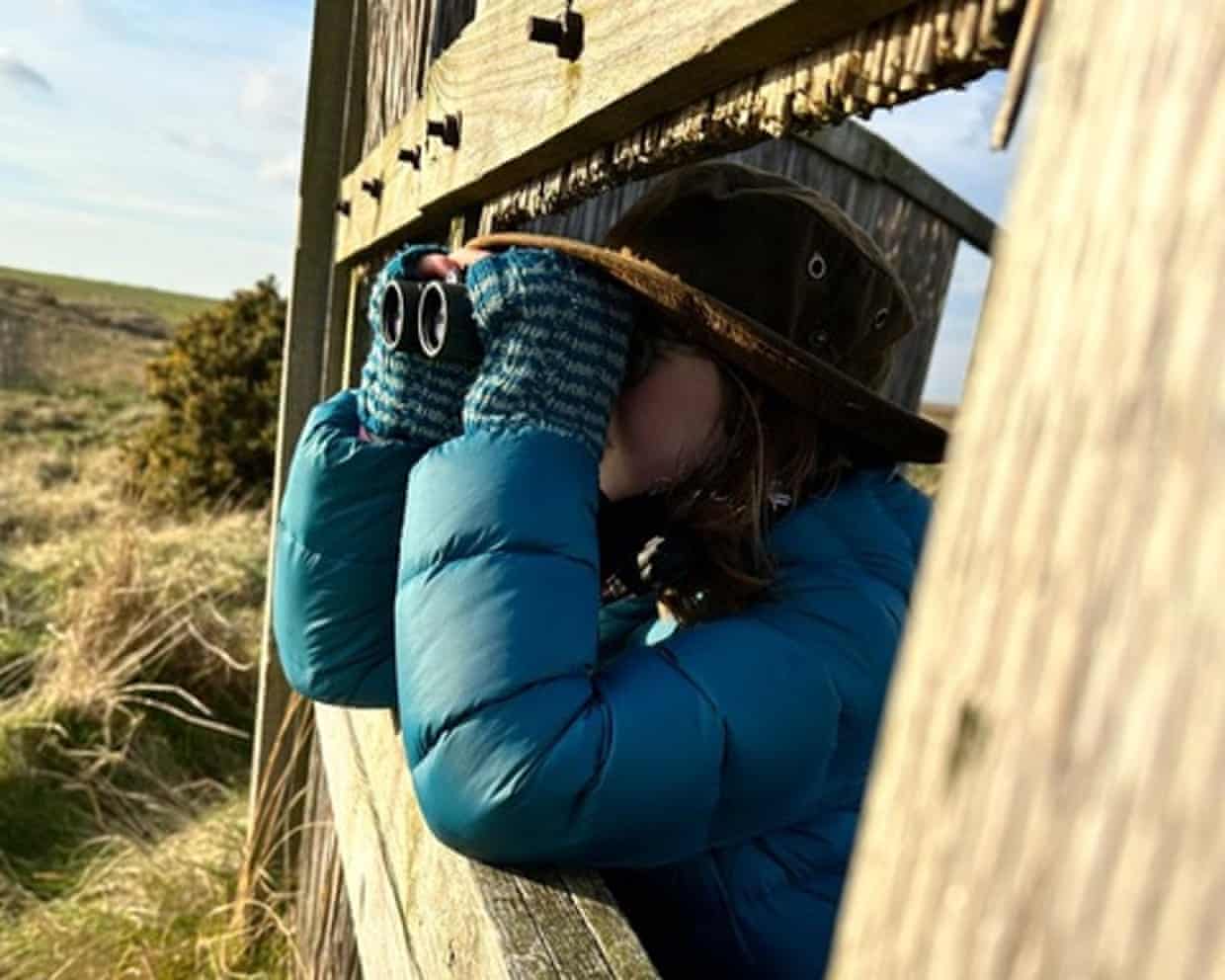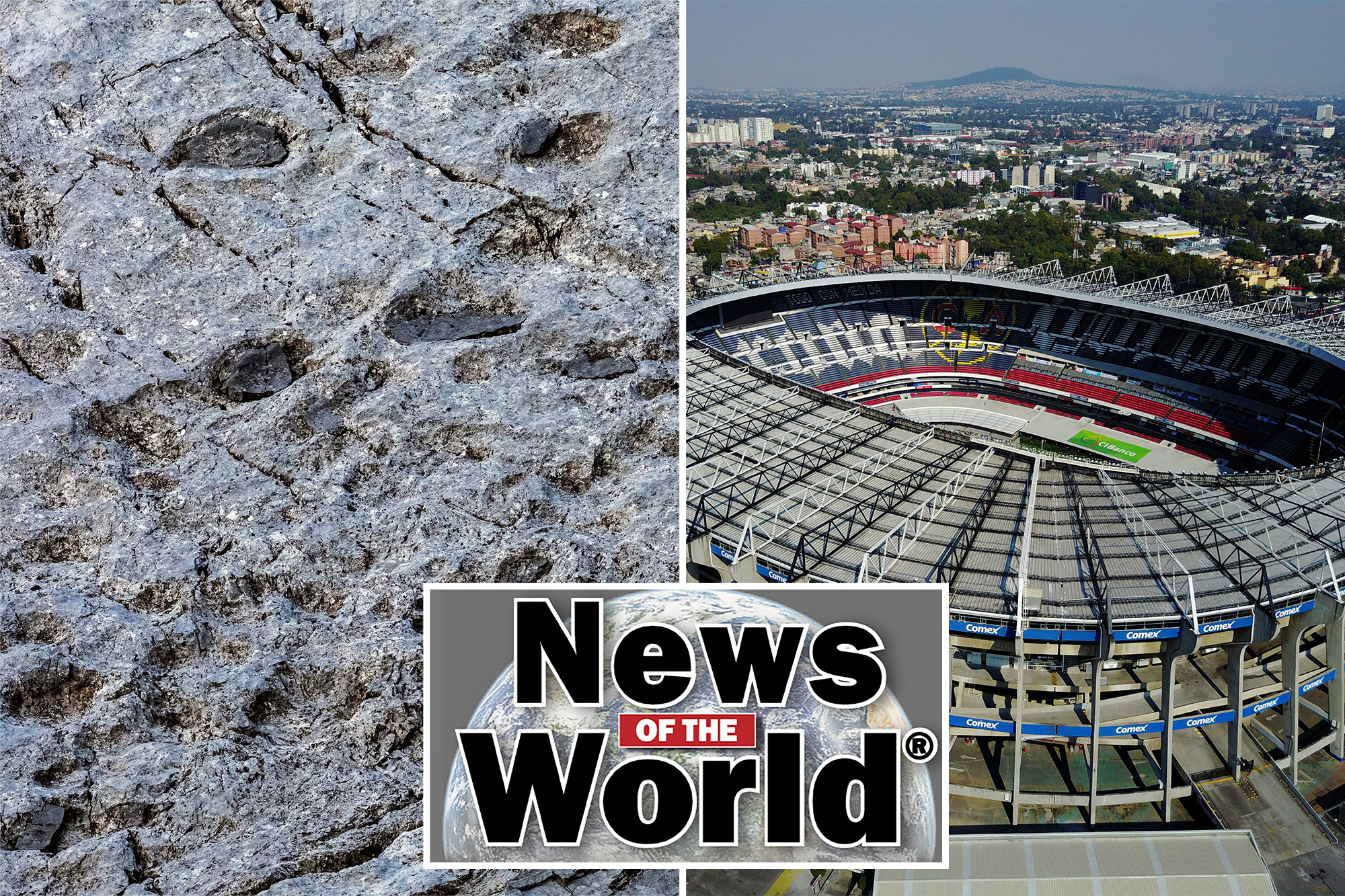
A remarkable discovery in northern Italy has unveiled thousands of dinosaur footprints dating back an astonishing 210 million years. Found by a wildlife photographer in Stelvio National Park, located in the Central Alps near the Swiss-Italian border, these footprints measure up to 15 inches in diameter. They are believed to belong to prosauropods, long-necked herbivores that could grow up to 33 feet in length. The Italian Ministry of Culture remarked that the find symbolically connects the past and present, coinciding with the preparations for the upcoming Winter Olympics in 2026.
In Australia, beachgoers in New South Wales are being urged to keep an eye out for endangered Loggerhead sea turtles. A nest belonging to this threatened species was recently found on the north coast. The NSW TurtleWatch program, which relies on volunteers to monitor local beaches and protect turtle habitats, has called for public assistance in reporting any additional nests discovered. A representative from TurtleWatch emphasized the importance of community involvement, stating, “The commitment and care from our coastal communities will be essential in ensuring these nests can survive,” according to The Guardian.
Meanwhile, French importers of foie gras are looking to re-establish their presence in China after import restrictions were implemented during the European bird flu crisis. French Agriculture Minister Annie Genevard recently met with Deng Li, China’s ambassador to France, to discuss expanding the trade relationship. They aim to facilitate the journey of French food products from “the French farm to the Chinese table.”
In a significant business move ahead of the 2026 FIFA World Cup, US investors have invested hundreds of millions of dollars in Mexican soccer. General Atlantic, a Manhattan-based global investment firm, is partnering with Ollamani, S.A.B., a Mexico-based sports business, to establish a new entity that will own Club América, one of Mexico’s leading soccer teams, and Estadio Banorte, where the World Cup’s opening match will take place. The joint venture is valued at an impressive $490 million.
In Canada, a controversy is brewing over a rare forest of 200-year-old red spruce trees in Québec. The province’s Ministry of Natural Resources plans to construct a winter road through the Grandbois Lakes forest, which conservationists argue is one of the last intact habitats for these trees. Environmentalists have expressed their alarm over the potential ecological impact, referring to the area as “a diamond we want to preserve.” This tension underscores the ongoing conflict between development and conservation efforts in the region.
As these stories unfold across different continents, they highlight the intricate relationship between history, nature, economy, and community engagement on a global scale.