The death toll from ongoing protests in Iran has surged to at least 544, according to the U.S.-based Human Rights Activists News Agency. Activists report that the Iranian government’s violent crackdown on demonstrators has intensified even as U.S. President Donald Trump stated that Iran has expressed a desire to negotiate. This statement comes in the wake of Trump’s threats to retaliate against Iran’s actions, including potential military strikes.
Trump announced on December 3, 2023, that discussions for a meeting with Iranian officials were underway, although he cautioned that the U.S. might take action before such a meeting occurs due to the escalating situation. “Iran wants to negotiate,” he said, adding, “We may have to act because of what’s happening before the meeting.”
While Trump insists that Iran reached out for talks, there has been no official acknowledgment from Tehran regarding these negotiations. The Iranian government has not provided overall casualty figures, but the situation remains dire, with over 10,600 individuals reportedly detained amid the protests, which began on December 28, 2023, following the collapse of the Iranian rial currency.
Escalation of Violence and International Reactions
As protests continue across Iran, reports indicate that the death toll includes 496 protesters and 48 members of the security forces. The government’s crackdown has led to increased fears that hard-liners within the security services may escalate their response. The internet blackout in Iran has made it more challenging for international observers to gauge the extent of the unrest.
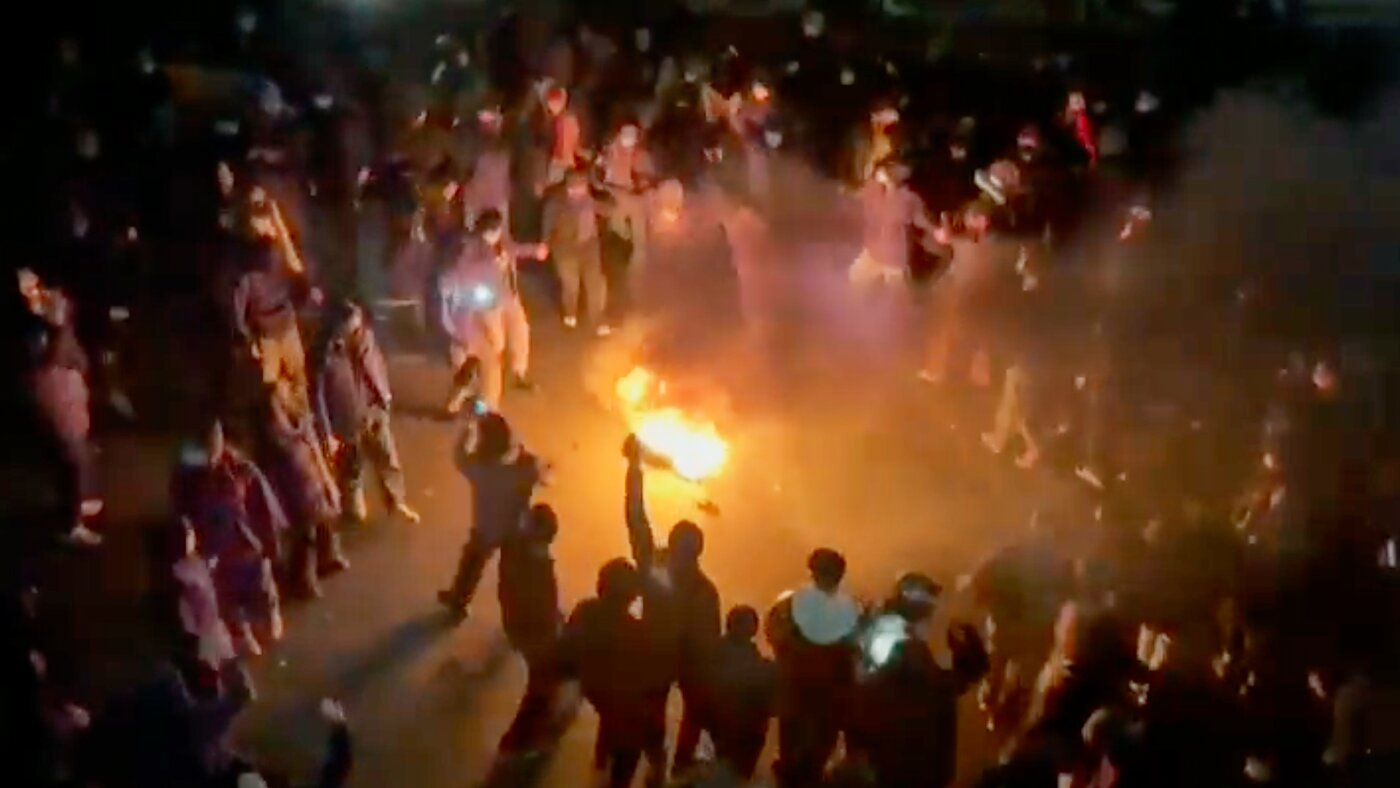
During recent protests, demonstrators took to the streets in cities such as Tehran and Mashhad, with videos showing large gatherings of people defying government efforts to suppress dissent. Iranian state television attempted to depict the situation as calm, but many citizens remain defiant, waving mobile phones and using fireworks to signify their resistance.
In a speech to the Iranian parliament, hard-line speaker Mohammad Baagher Qalibaf explicitly threatened U.S. military bases and Israel, stating, “We do not consider ourselves limited to reacting after the action.” His comments were met with chants of “Death to America!” from lawmakers, reflecting the charged atmosphere within Iran’s political landscape.
Internationally, reactions to the violence have been swift. United Nations Secretary-General Antonio Guterres expressed shock at the reports of violence against protesters, urging Iranian authorities to exercise maximum restraint and restore communications. Israeli Prime Minister Benjamin Netanyahu commended the bravery of Iranian citizens, emphasizing the need for global support for their struggle.
Potential U.S. Military Responses
Trump’s administration is considering various military options in response to Iran’s actions, including cyberattacks and direct strikes. The U.S. military remains deployed in the region, prepared to defend its forces and allies. The ongoing tensions have prompted Israel to closely monitor developments, as both nations assess the potential risks of further escalation.
The situation continues to evolve, with the Iranian government under pressure to address the grievances of its citizens while facing increasing scrutiny from the international community. The protests have, at their core, challenged the legitimacy of Iran’s theocratic regime, reflecting widespread discontent with economic hardships exacerbated by international sanctions.
As the world watches, the outcome of these events remains uncertain, with potential implications for regional stability and international relations.