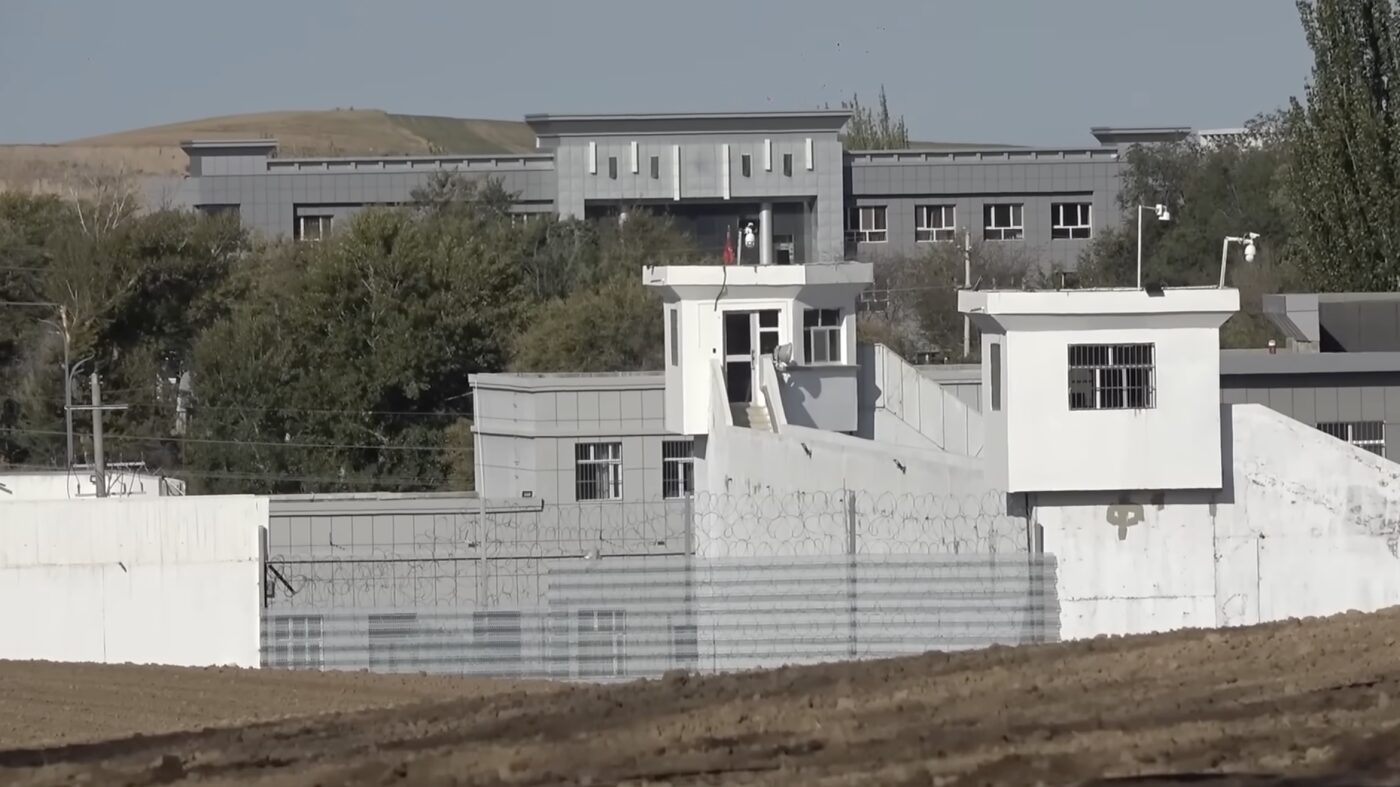
A Chinese man who filmed secret footage in Xinjiang is now facing deportation from the United States. Guan Heng, 38, fled China after documenting the treatment of Uyghurs and other minorities in the Xinjiang region. He arrived in the U.S. in October 2021, hoping to seek asylum and share his experiences.
Guan’s journey began with a perilous escape from the Bahamas. He purchased a small inflatable boat and sailed for 23 hours before reaching the shores of Florida. Battling severe seasickness and lacking any boating experience, his arrival marked a desperate attempt to evade arrest in China. He had just released a 20-minute video showcasing the conditions in Xinjiang, which he feared would lead to his imprisonment if he remained in his home country.
Currently, Guan’s asylum case is pending, with a hearing scheduled for January 12, 2024. After spending months in immigration detention in upstate New York, he appeared via video link before an immigration court this week. If his asylum application is denied, he could be deported to Uganda, as argued by a lawyer from the Department of Homeland Security during a recent hearing.
The U.S. Supreme Court’s ruling in July allowed for third-country deportations, raising concerns about the expanding scope of immigration enforcement. Democratic Representative Raja Krishnamoorthi of Illinois emphasized in a letter to Homeland Security Secretary Kristi Noem that Guan’s situation exemplifies the need for asylum protections, stating, “He has a pending asylum application, and the circumstances of his departure from the PRC are a textbook example of why asylum exists.”
According to a statement from the Department of Homeland Security, Immigration and Customs Enforcement (ICE) agents encountered Guan while executing a criminal search warrant. The agency classified him as an “illegal alien” who entered the U.S. at an unspecified time. All claims made by Guan will be examined by an immigration judge.
Guan’s interest in the situation in Xinjiang grew after he came across English news reports in 2020 detailing the extrajudicial detention of at least hundreds of thousands of Uyghurs and other minorities. Inspired to document these events, he traveled to Xinjiang, where he filmed hours of footage of alleged detention camps and the region’s extensive security measures. Fearing repercussions if he published the footage while still in China, he fled to Ecuador in July 2021 and later reached the Bahamas, where he prepared for his risky boat journey to the U.S.
In the United States, Guan applied for asylum and obtained a work permit, sustaining himself through driving for Uber and other odd jobs. Yet, his legal troubles intensified in August 2023 when ICE agents arrested him during a raid initially targeting his roommate. His lawyer, Chen Chuangchuang, described Guan’s encounter with ICE as a matter of “bad luck.”
Human rights activists have criticized the government’s approach to Guan’s case, arguing that he should be protected as a whistleblower exposing human rights violations. Guan’s family, living in China, has faced intimidation and extensive interrogation since his departure. According to his mother, Luo Yun, “There is not one family member of his who has been left unaffected and not investigated.” She expressed her hope for Guan’s safety, saying, “My son is young, his road [in life] is still long. I hope he can stay in the U.S. He has no path of retreat from this.”
Inside China, authorities have aggressively detained individuals suspected of endangering state security in Xinjiang, including whistleblowers and those leaking information. As Beijing continues to face international criticism over its policies in the region, the outcome of Guan’s asylum case will be closely watched, highlighting the broader implications of immigration enforcement and human rights advocacy in the United States.