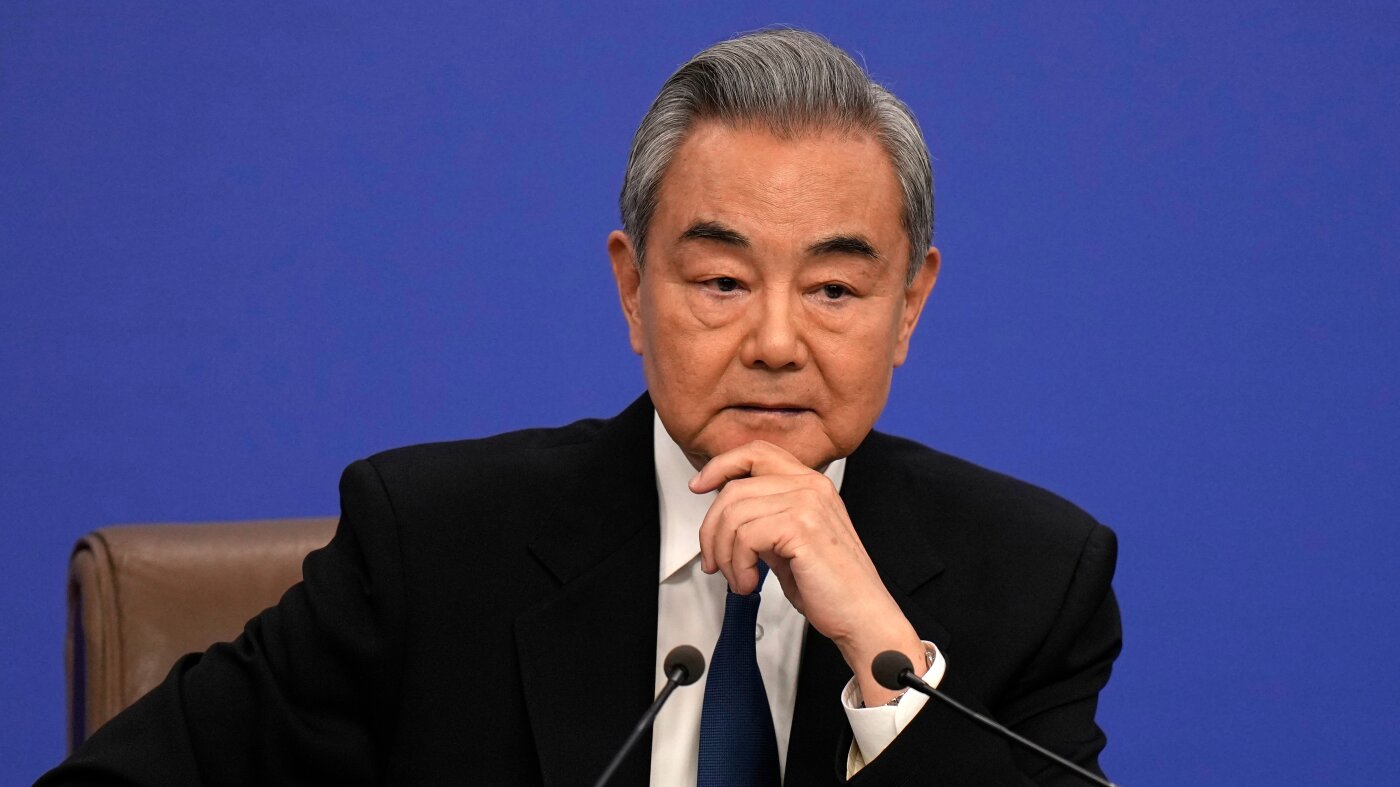
China’s Foreign Minister, Wang Yi, delivered critical insights on international relations during an annual political briefing in Beijing on March 3, 2024. He condemned the ongoing U.S.-Israeli conflict with Iran, stating it “should not have happened” and serves no beneficial purpose. While expressing concern over the situation, Wang also indicated a willingness for dialogue, suggesting that a potential meeting between U.S. President Donald Trump and Chinese leader Xi Jinping could take place later this month.
China’s Position on the Iran Conflict
Wang emphasized the need for a ceasefire in the Iran conflict, advocating for all parties to return to negotiations. He remarked, “Might doesn’t make right, and the world cannot revert to the law of the jungle.” The foreign minister urged the U.S. and Israel to respect the sovereignty and security of Iran and its neighbors. In a move to mediate, China plans to send an envoy to the region. However, analysts note that China’s alignment with Iran complicates its role as an impartial mediator.
Relations with the United States and Europe
In discussing the Sino-American relationship, Wang articulated China’s desire for “peaceful coexistence” and “win-win cooperation.” He acknowledged the unique positions of both nations, asserting that neither can fundamentally change the other. Wang also addressed concerns in Europe about China’s economic ascent, suggesting that European nations should view China not as a rival but rather as a “global partner.” He encouraged Europe to embrace opportunities within the Chinese market, moving away from protectionist policies.
Wang subtly criticized President Trump’s tariffs, equating protectionism to “locking oneself in a dark room.” He contrasted this approach with China’s commitment to opening its markets, announcing that starting May 1, 2024, tariffs on imports from most African countries will be eliminated to enhance access to the Chinese market. However, he did not comment on the recent sluggishness of China’s domestic demand, which has led to the lowest economic growth target since the 1990s, aiming for between 4.5% and 5% this year.
Regional Tensions: Japan and Taiwan
Relations between China and Japan remain tense, particularly following remarks by Japanese Prime Minister Sanae Takaichi, who suggested Japan might intervene if China were to invade Taiwan. Wang reaffirmed China’s stance, stating, “Taiwan never was, is not, and will never be a country.” He stressed that Taiwan is a domestic issue and that Japan should refrain from interfering.
China’s Stance on the Gaza Conflict
On the topic of the Gaza conflict, Wang reiterated China’s support for a two-state solution for Palestine. He remarked, “Any other arrangements or new mechanisms must reinforce – rather than undermine the two-state solution.” Wang welcomed international efforts aimed at achieving a ceasefire but acknowledged that significant challenges remain ahead. Although China was invited to participate in Trump’s Board of Peace, it has yet to engage in this initiative.
Wang Yi’s remarks encapsulate China’s strategic positioning on various global issues, reflecting its aspirations for a more prominent role in international diplomacy while navigating complex relationships with the United States, Europe, and its regional neighbors.