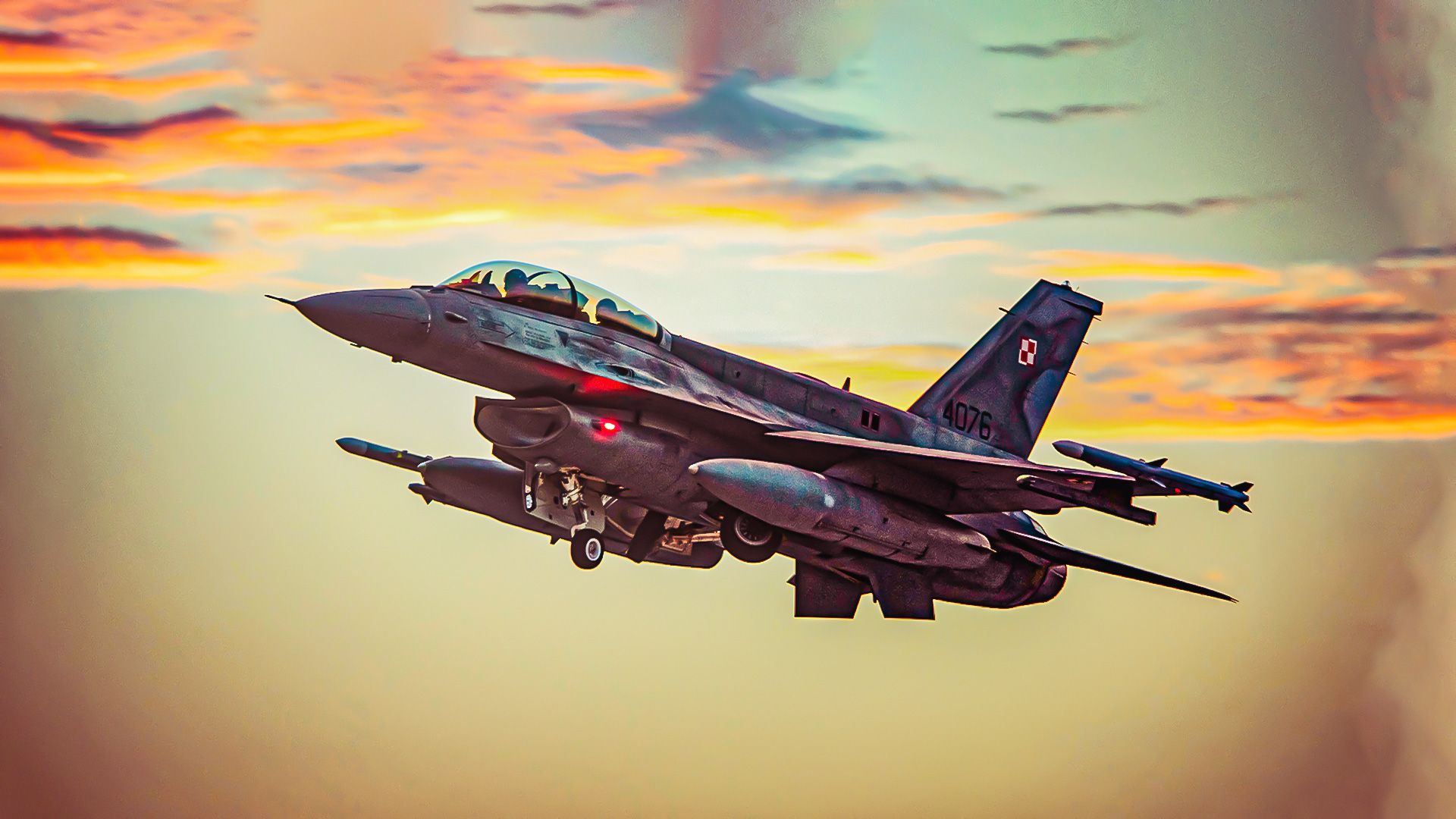
The ongoing competition between Boeing and Lockheed Martin in the fighter jet market has intensified as both aerospace giants strive to meet the evolving demands of modern combat aviation. With a focus on stealth technology, sensor fusion, and production capacity, the question now is: which manufacturer currently produces more fighter jets?
Boeing has long been a key player in the defense sector, with its F-15 and F/A-18 aircraft being staples of many air forces around the world. Recently, Boeing announced plans to ramp up production of the F-15EX, a modernized variant of its legendary fighter jet. This initiative aligns with the U.S. Air Force’s strategic goal to enhance its operational capabilities. In 2023, Boeing projected a production rate that could exceed 20 units annually, reflecting its commitment to maintaining a robust fighter jet output.
In contrast, Lockheed Martin continues to dominate the stealth aircraft segment with its F-35 Lightning II program. The company has reported production rates nearing 100 units per year, supported by strong international sales and ongoing contracts with the Pentagon. The F-35’s advanced features and versatility make it a preferred choice for many allied nations, contributing to Lockheed Martin’s substantial production numbers.
Current Production Landscape and Future Outlook
As of 2023, Lockheed Martin leads in overall fighter jet production, with its F-35 program achieving a significant milestone of delivering over 500 aircraft since the program’s inception. This success has not only solidified Lockheed Martin’s position in the market but also underscored the importance of modern technology in defense aviation.
Boeing, while trailing in sheer numbers, has emphasized the capability enhancements of its existing fighter jets. The F-15EX, designed to integrate advanced weaponry and systems, is a direct response to the evolving threats faced by air forces globally. Boeing’s strategy focuses on modernization and upgrades, ensuring that its aircraft remain competitive and relevant in a rapidly changing military landscape.
The competition between these two manufacturers extends beyond production numbers. It also reflects broader trends in defense spending. According to a report by the Pentagon, the U.S. defense budget for fiscal year 2023 is estimated at $1.5 trillion, with a considerable portion allocated to modernization efforts in air combat capabilities. This financial backdrop highlights the importance of sustaining high production rates in the fighter jet sector.
Impact on Global Defense Markets
The rivalry between Boeing and Lockheed Martin also has significant implications for global defense markets. Countries around the world look to the United States for advanced military technology, and the production capabilities of these manufacturers play a crucial role in international defense agreements.
As nations prioritize the acquisition of advanced fighter jets, they must consider not only the performance of the aircraft but also the reliability of the manufacturers. Lockheed Martin’s extensive production capacity and existing partnerships with allied nations provide it with a competitive edge. Conversely, Boeing’s focus on modernization and upgrades positions it as a viable alternative for nations seeking to enhance their air combat capabilities without transitioning to entirely new platforms.
In conclusion, while Lockheed Martin currently leads in the production of fighter jets, Boeing’s emphasis on modernization and adaptation ensures that the competition remains fierce. As both manufacturers continue to innovate and respond to changing military needs, the landscape of modern combat aviation will likely evolve, shaping the future of air defense strategies worldwide.