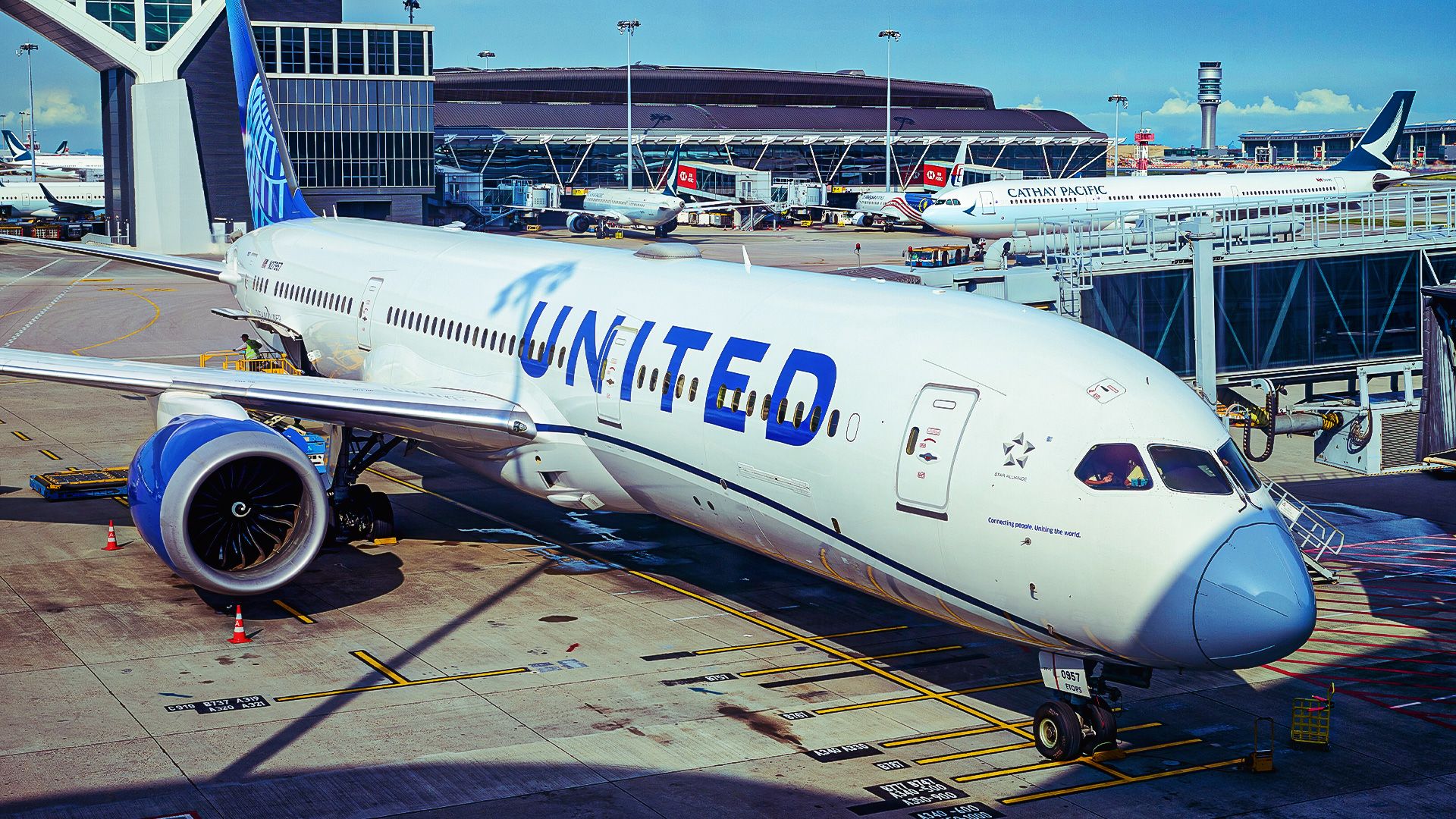
The future of long-haul travel is in question as airlines seek to replace aging fleets. The Boeing 767, a staple in the fleets of major carriers, is now being evaluated against newer models like the Boeing 787 and Airbus A330neo. Currently, the two largest operators of the Boeing 767 are Delta Air Lines and United Airlines, with Delta operating 58 aircraft and United flying 53. Both airlines utilize the 767-300ER and 767-400ER variants, which are now over 20 to 30 years old.
The need for replacements is pressing due to the age of the 767 fleet. Both Delta and United are faced with the challenges of maintaining older aircraft as they strive for efficiency and lower operational costs. The Boeing 787 offers advanced technology and fuel efficiency, which could lead to substantial savings for airlines. Meanwhile, the Airbus A330neo presents a strong alternative with its modern design and operational capabilities.
Comparative Features of the Boeing 787 and Airbus A330neo
The Boeing 787, also known as the Dreamliner, has been praised for its fuel efficiency and passenger comfort. It features composite materials that reduce weight and improve aerodynamics, resulting in a fuel burn that is approximately 20 percent lower than that of the 767. Additionally, the 787 offers improved cabin pressure and humidity, enhancing the overall passenger experience.
On the other hand, the Airbus A330neo is designed to compete directly with the 787. The A330neo incorporates new engines that provide a similar fuel efficiency advantage. It also features a redesigned wing that improves lift and reduces drag, making it a formidable competitor in the long-haul segment. Airlines looking to modernize their fleets must weigh these features against their operational needs.
Financial Implications for Airlines
The decision to invest in new aircraft involves substantial financial considerations. The list price for a Boeing 787 is approximately $248 million, while the Airbus A330neo starts at around $250 million. However, discounts are common in the industry, and airlines often negotiate prices based on order size and delivery timelines. The operational savings from fuel efficiency can play a significant role in recouping the initial investment over time.
Moreover, airlines are increasingly focused on sustainability. Newer aircraft like the 787 and A330neo are designed with lower emissions in mind, aligning with global efforts to reduce the aviation industry’s carbon footprint. As regulations become stricter, the environmental impact of older aircraft will likely influence airlines’ replacement decisions.
As the aviation market continues to evolve, the competition between the Boeing 787 and Airbus A330neo will shape the future of long-haul travel. Delta and United must carefully assess their fleet strategies to stay competitive and meet the changing demands of passengers. With the 767 fleet aging, the transition to modern aircraft is not just a matter of preference but a necessity for operational efficiency and sustainability in the coming years.
The outcome of this competition will have significant implications for the airlines, their customers, and the broader aviation industry. As airlines consider their options, the stakes are high, and the decisions made today will impact travel for years to come.