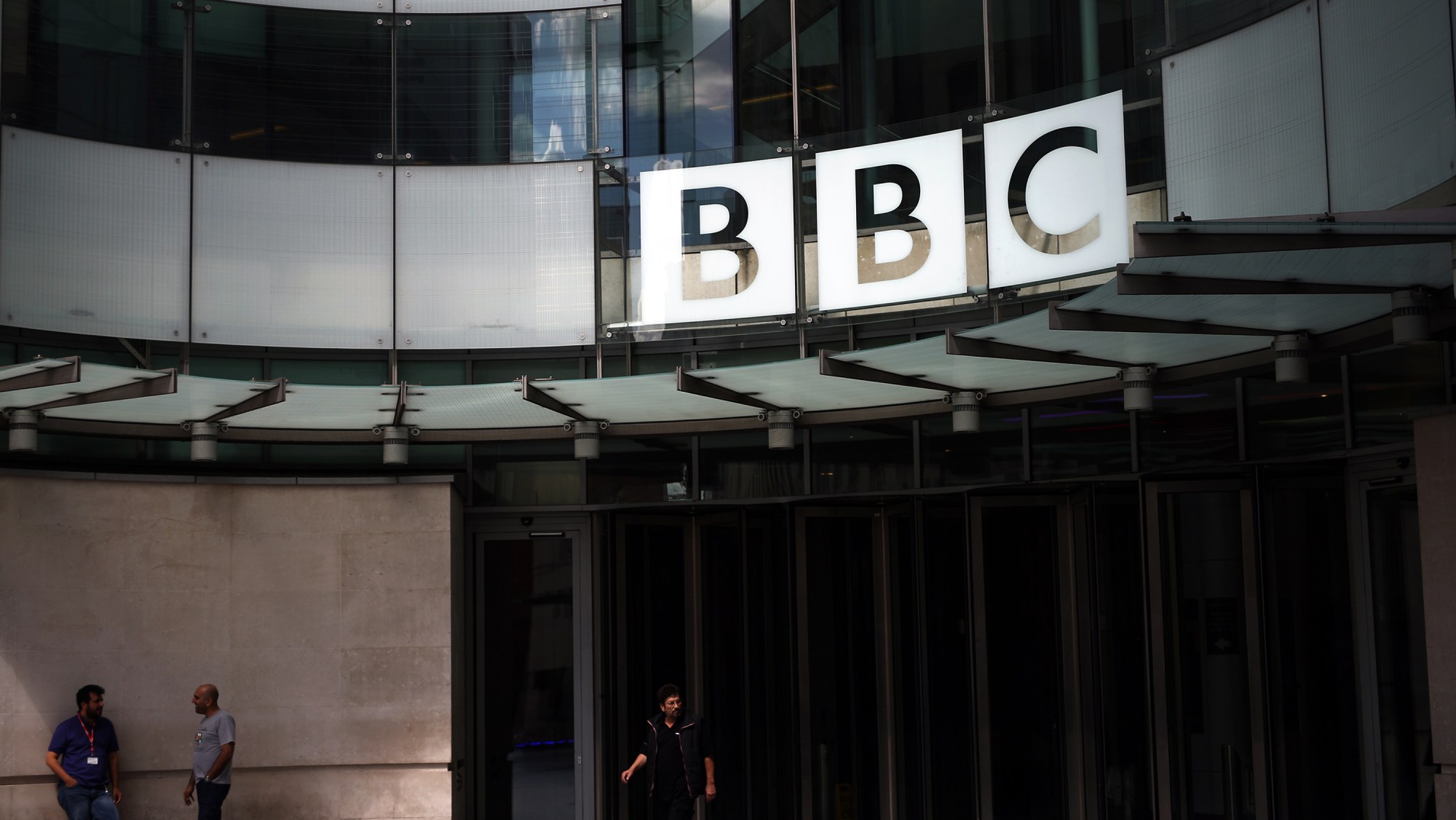
The BBC has entered a significant partnership with YouTube, a subsidiary of Alphabet, to produce original content aimed at attracting younger audiences. This landmark deal marks the first time the British broadcaster will create original series specifically for the popular video platform, a move designed to enhance its digital presence and reach.
The collaboration will initially focus on content from the BBC Three channel, encompassing entertainment, news, and sports. The programming developed for YouTube is expected to eventually be available on the BBC iPlayer and the BBC Sounds audio service, extending the broadcaster’s reach across multiple platforms. Currently, the BBC’s flagship YouTube channel boasts over 15 million subscribers, while the BBC News channel has approximately 19 million subscribers, who primarily engage with trailers and clips from existing content.
As the BBC does not run advertisements domestically, this new venture provides an opportunity to monetize its productions internationally. The move aligns with the broadcaster’s ongoing strategy to bolster income from the license fee, which is funded by British taxpayers.
Juliane Althoff, a film and television lawyer and partner at media and entertainment law firm Simkins LLP, commented on the implications of this partnership. She noted, “This deal marks a strategic acknowledgment of where audiences now sit and how they consume content, especially younger demographics. It reflects the need to increase commercial opportunities to supplement the license fee.”
Althoff emphasized that by creating content for YouTube while retaining rights for distribution on the iPlayer and BBC Sounds platforms, the BBC can broaden its audience while still fulfilling its public service commitments.
The legal aspects of this arrangement raise crucial questions regarding editorial control and brand integrity. Althoff added, “Any agreement between the BBC and YouTube will need to be carefully structured to ensure strict impartiality and accuracy, preventing any accusations of bias or misinformation and safeguarding the BBC’s public service obligations and long-term intellectual property value.”
This partnership represents a significant shift for the BBC as it navigates the challenges of the evolving media landscape and seeks to engage a demographic that increasingly consumes content through digital platforms. By leveraging YouTube’s vast audience base, the BBC aims to remain relevant in a competitive environment where traditional television faces disruption.
As the landscape of content consumption continues to change, this initiative could set a precedent for how public broadcasters adapt to the digital age while maintaining their commitment to public service.