A disturbing trend has emerged where Bangladeshi workers, initially lured by promises of civilian employment in Russia, are ending up in combat roles in Ukraine. An investigation by the Associated Press revealed that many of these individuals were forced into dangerous situations, contradicting their original job expectations.
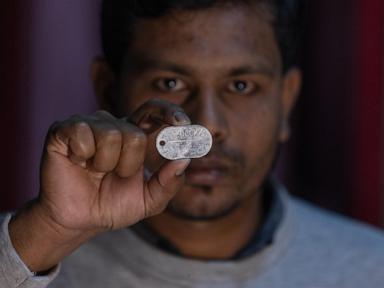
In Lakshmipur, Bangladesh, Maksudur Rahman is one of several men who fell victim to this deception. After being recruited for a janitorial position, he found himself on the front lines of the conflict within weeks of arriving in Russia. The recruiter had promised him a salary ranging from $1,000 to $1,500 a month, along with the potential for permanent residency. However, once in Moscow, Rahman and others were coerced into signing military contracts that led them into the chaos of war.
Upon arrival, Rahman reported that he and his fellow workers were taken to a military camp where they received training in drone warfare, medical evacuation, and combat skills. When he protested, a commander bluntly informed him, “Your agent sent you here. We bought you.” Such threats were common, with reports of violence against those who resisted. Rahman recounted instances where workers were beaten and threatened with 10-year prison sentences for non-compliance.
The investigative report highlights that this situation is not isolated. Families of missing Bangladeshi men voiced similar concerns, stating that their loved ones had also been misled about the nature of their employment. Despite repeated attempts, neither the Russian nor the Bangladeshi governments responded to inquiries regarding these claims.
In the lush landscapes of Lakshmipur, many families depend on income from relatives working abroad. Job scarcity in Bangladesh has made overseas employment essential for survival. In 2024, Rahman returned from a contract in Malaysia only to face another recruitment scheme. After borrowing 1.2 million Bangladeshi taka (approximately $9,800), he signed what he believed was a cleaning contract, only to find himself in military service.
The harrowing experiences of Rahman and others reveal the extent of this deception. Once at the front lines, they experienced extreme danger, including witnessing the death of fellow workers and facing drone attacks. Others, like Mohan Miajee, were similarly misled. Initially recruited as an electrician, he was coerced into combat roles and subjected to physical abuse for refusing to comply with orders.
As families back in Bangladesh grapple with the disappearance of their loved ones, the situation calls for urgent attention. Some relatives have sought assistance from BRAC, an organization advocating for migrant workers, which has begun investigations into the matter. They have uncovered at least ten cases of Bangladeshi men who are still unaccounted for after being lured into military service.
This troubling trend points to a broader issue of human trafficking and exploitation. Investigators have traced recruitment networks that involve Bangladeshi intermediaries with connections to the Russian government. Reports suggest that approximately 40 Bangladeshis may have lost their lives in this conflict, raising serious concerns about the safety and well-being of migrant workers.
The families of those missing cling to documents and communications from their loved ones, hoping for answers. These papers include military contracts and Russian business visas, which have been corroborated by organizations working to help individuals escape military service. The plight of these workers remains urgent, as many have not received any pay for their labor, further compounding their families’ struggles.
The situation emphasizes the need for greater scrutiny of recruitment practices and the protection of migrant workers. As more individuals fall victim to these deceptive schemes, both local and international authorities must take action to prevent further exploitation and ensure the safety of vulnerable populations.