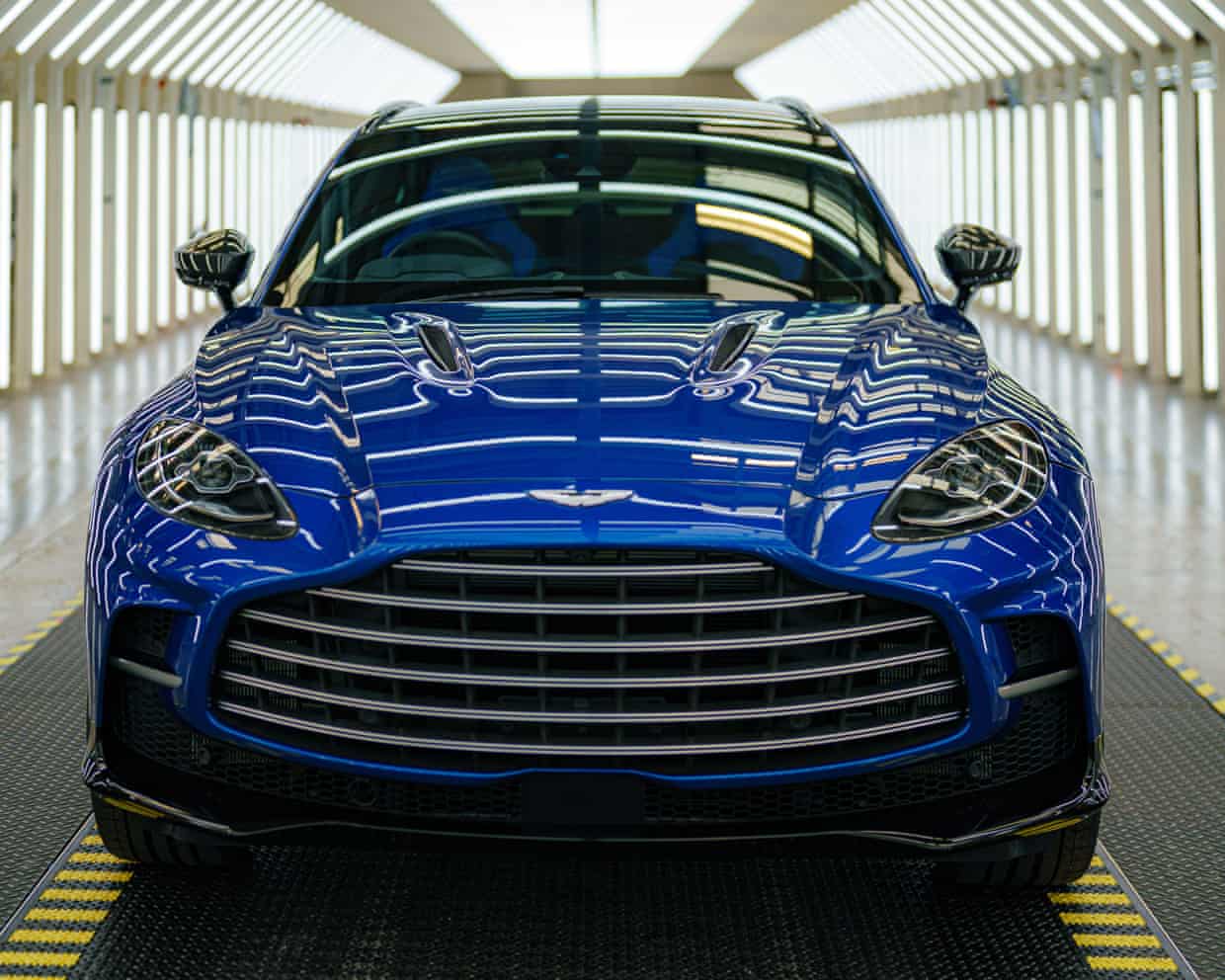
The luxury car manufacturer Aston Martin Lagonda announced it will reduce its workforce by 20% in an effort to save approximately £40 million following a report of widened financial losses. This decision marks a significant step for the company, which had already cut 170 jobs at the beginning of 2025 as part of its restructuring efforts.
In a statement, the company, primarily owned by Canadian billionaire Lawrence Stroll, explained, “Having undertaken at the start of 2025 a process to make organisational adjustments to ensure the business was appropriately resourced for its future plans, we had to take the difficult decision at the end of 2025 to implement further changes. This latest programme will ultimately see the departure of up to 20% of our valued workforce.”
Aston Martin’s announcement comes on the heels of reporting a pre-tax loss of £363.9 million for 2025, an increase from losses of £289.1 million in the previous year. The company faced challenges due to rising US tariffs and declining demand in key markets. Investors had anticipated these losses, especially after the company issued its fifth profit warning since September 2024 and sold its permanent naming rights to its Formula One team.
Market Conditions and Internal Challenges
In a stock market update, Aston Martin indicated that while China presents long-term growth potential, the current demand remains low, mirroring trends seen across other luxury automotive brands. The weak macroeconomic environment and changes in luxury car tariffs effective from July 2025 have further complicated the situation.
Aarin Chiekrie, an equity analyst at Hargreaves Lansdown, remarked on the company’s issues, stating, “The poor performance is being blamed on external factors, such as US tariffs and macroeconomic uncertainty. But looking under the hood reveals some internal issues, making Aston Martin’s road to redemption more difficult.” Chiekrie emphasized that while asset sales and workforce reductions are part of the solution, they are insufficient on their own.
He added, “Long-term success will rely on reversing the group’s declining sales volumes and benefiting from the improved efficiencies that a greater output would bring. Cutting the workforce so drastically makes a significant ramp-up in volumes hard to achieve, and the road ahead remains a difficult one to navigate for Aston Martin.”
Despite these challenges, shares of Aston Martin rose by 5% on Wednesday morning, reflecting some investor optimism amid the restructuring efforts.
As the luxury carmaker embarks on this significant workforce reduction, the focus will remain on addressing both external market conditions and internal operational efficiencies in the hopes of reversing its financial fortunes.