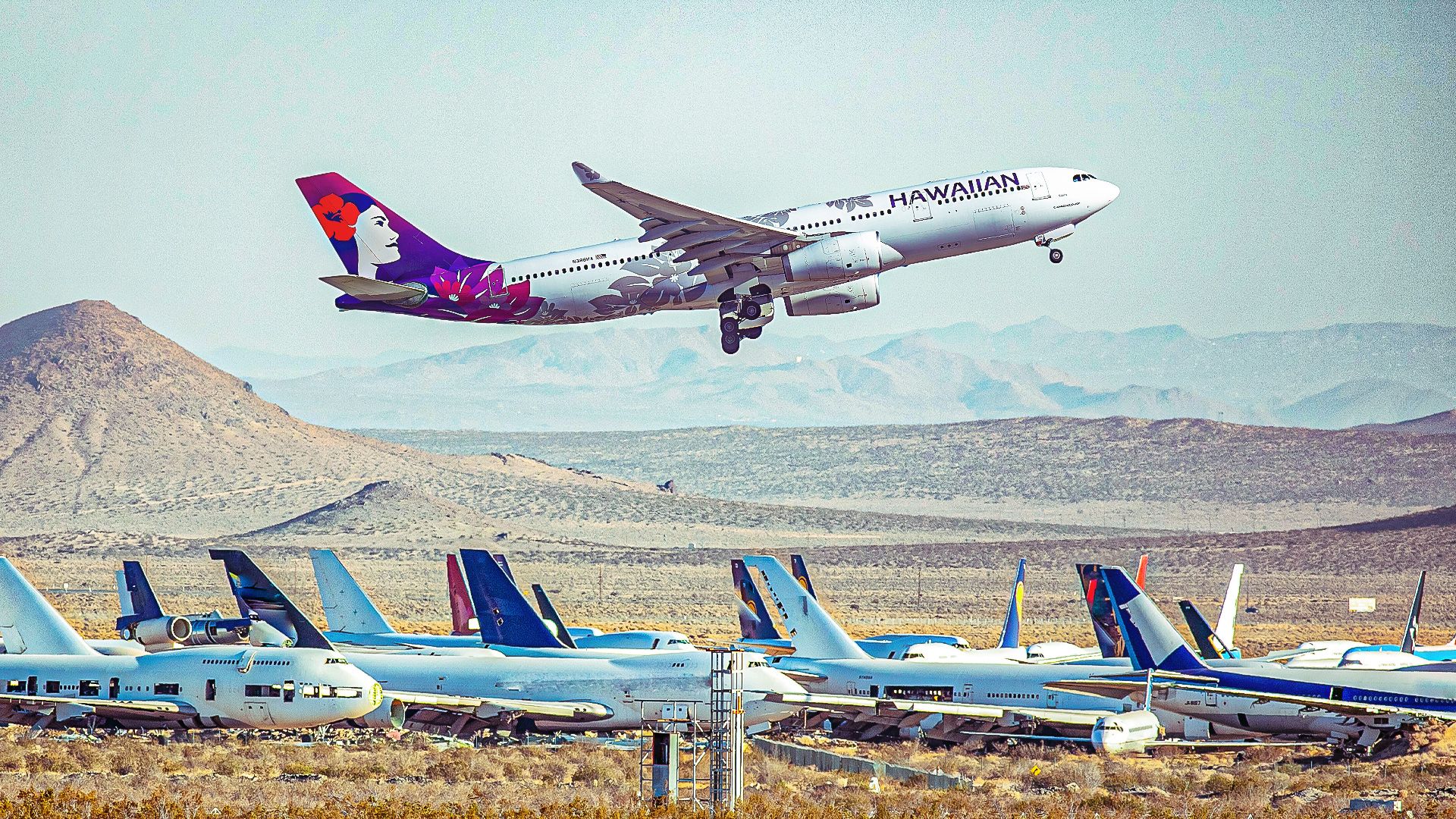
Hawaiian Airlines has entered a new chapter following its merger with Alaska Airlines, finalized in 2024. This union has combined the strengths of two major carriers operating on the US West Coast and across the Pacific. Although both airlines continue to operate under their respective brands, they now share leadership, influencing decisions regarding route networks, fleet planning, and long-term strategies.
As the airlines adapt to their new structure, questions arise about the future of Hawaiian Airlines’ fleet of Airbus A330-200s. These aircraft have been integral to Hawaiian’s long-haul operations for years, serving as a backbone for its international routes. With the merger, the strategic direction of this fleet may be shifting.
The Airbus A330-200 is known for its capacity and efficiency, typically seating around 300 passengers. Hawaiian Airlines has relied on this model for various international destinations, including routes to Asia and the South Pacific. The airline currently operates a fleet of eight A330-200s, which have been praised for their comfort and performance.
Under the shared leadership of Alaska Airlines and Hawaiian Airlines, fleet planning decisions are likely to consider operational efficiencies and market demand. This could potentially lead to changes in Hawaiian’s long-haul service offerings. Industry analysts are closely monitoring how Alaska Airlines’ management will influence Hawaiian’s operational strategies, particularly regarding fleet modernization and route optimization.
There are indications that Alaska Airlines may prefer a different aircraft type for long-haul services, particularly the Boeing 787 Dreamliner, known for its fuel efficiency and range. Transitioning to a new fleet could allow Hawaiian Airlines to enhance its competitive edge in international markets.
The implications of these strategic decisions extend beyond the airlines themselves. Employees, travelers, and stakeholders are all invested in understanding how this merger will affect service quality and job security. Hawaiian Airlines has a strong brand identity rooted in its Hawaiian heritage, and any fleet changes could impact its customer experience.
As of now, Hawaiian Airlines has not made any official announcements regarding the retirement of its Airbus A330-200s. The airline continues to evaluate its fleet needs in light of the merger with Alaska Airlines. The coming months will likely reveal more about how these two airlines intend to streamline operations and whether the A330-200s have a place in the future.
In summary, the merger between Hawaiian Airlines and Alaska Airlines has raised important questions about the future of Hawaiian’s Airbus A330-200 fleet. As both airlines navigate this new partnership, the focus will remain on how best to optimize their operations and serve their customers effectively. The aviation industry will be watching closely as these developments unfold.