Airline ticket prices are on the rise as carriers adjust to escalating jet fuel costs connected to the ongoing conflict in Iran. Several airlines, including Cathay Pacific and Air France-KLM, have already implemented fare increases or added fuel surcharges in response to these financial pressures. Industry analysts predict that this trend will lead to higher prices for travelers, particularly for long-haul international flights.
The surge in jet fuel prices is primarily attributed to geopolitical tensions, which have disrupted supply chains and increased operational costs for airlines. Scott Kirby, the CEO of United Airlines, has indicated that the company will likely raise ticket prices soon. He emphasized that it is not a matter of if airfares will rise, but rather when and by how much.
Advice for Travelers
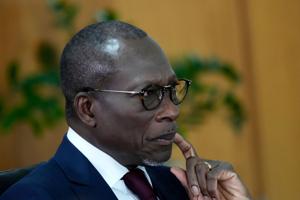
Experts recommend that travelers take proactive steps to mitigate the impact of rising fares. The security director of a global risk management company suggests that customers should consider booking flights early to secure lower prices. Additionally, setting fare alerts can help travelers monitor price fluctuations and make informed decisions.
Frequent flyer miles and credit card points can also provide valuable savings during this period of increasing costs. By utilizing these rewards, travelers may offset some of the anticipated fare hikes.
As summer approaches, the pressure on airlines to balance operational costs with customer demand will likely intensify. With the current state of affairs in Iran, the aviation industry must navigate these complexities while maintaining competitive pricing for consumers.
In summary, as jet fuel prices continue to climb, travelers should be prepared for potential increases in flight costs. The advice from industry experts underscores the importance of early planning and strategic use of rewards programs to minimize expenses.