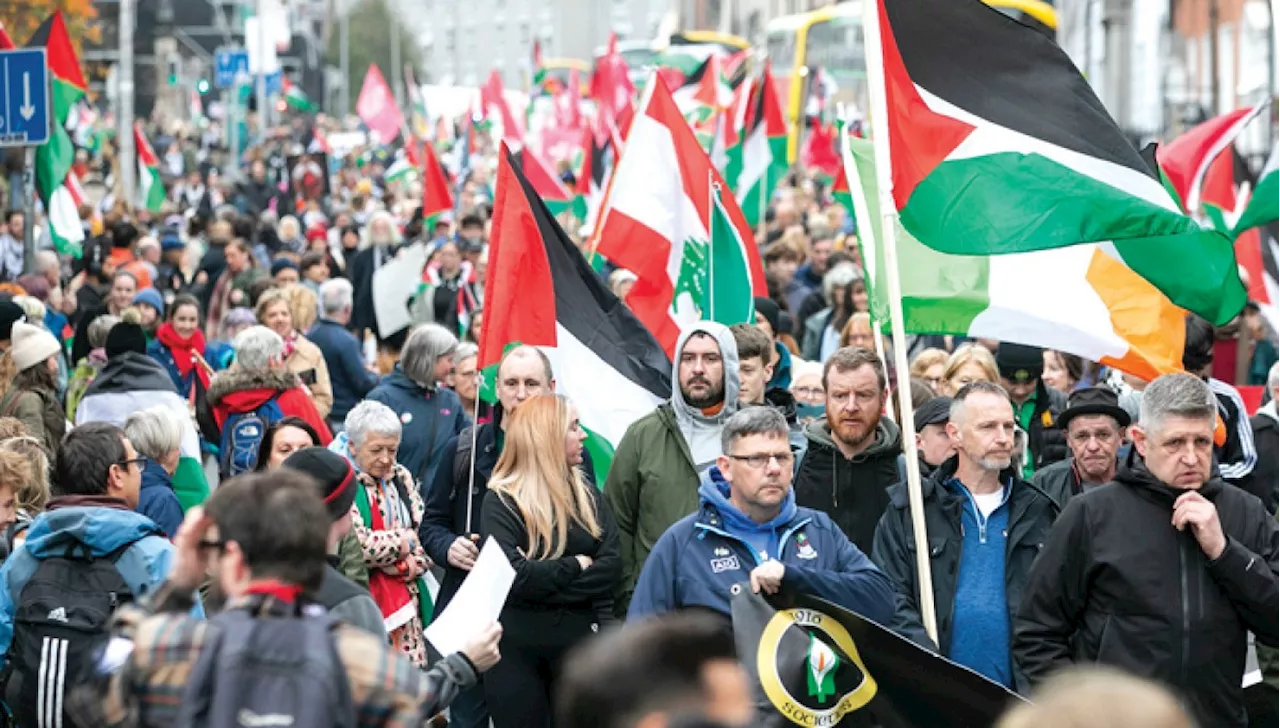
UPDATE: Tensions are escalating between Israel and Irelands as U.S. lawmakers voice urgent concerns over a proposal to rename Chaim Herzog Park in Dublin. This decision, seen as a protest against Israel’s actions in Gaza, has drawn fierce backlash from both sides of the Atlantic, leading to fears of significant economic repercussions.
Just announced, the potential renaming of the park dedicated to the late Israeli President Chaim Herzog has placed Ireland in a precarious position. Both Israel and Ireland maintain strong ties with the United States, which has now intervened with threats of economic sanctions should Ireland pursue this controversial legislation. The stakes are high, as Ireland is Israel’s second-largest trading partner, purchasing $3.89 billion in Israeli goods in 2023, while the U.S. bought $103.76 billion in goods from Ireland in 2024.
“We are monitoring this closely,” warned Rep. Josh Gottheimer in a recent interview, highlighting the risk of Ireland facing economic sanctions. Gottheimer specifically criticized a bill in Ireland’s Parliament that would enhance penalties on Israeli businesses operating in the disputed West Bank. “Should Ireland move forward with this law, it could trigger a boycott that affects trade with 38 states in the U.S.,” he stated.
The backlash has been swift. Prominent figures such as Sen. Lindsey Graham have condemned the proposal, describing it as a dangerous turn toward antisemitism. “When you think it couldn’t get worse in Ireland regarding animosity toward Israel and the Jewish people, it just did,” Graham expressed on social media. His comments reflect growing fears among Irish Americans and Jewish communities about the rising tensions.
The renaming controversy comes at a time of heightened emotions since Hamas launched a war against Israel on October 7, 2023. The Irish government has openly criticized Israeli policies, especially regarding Gaza, but has faced accusations of bias that could alienate its Jewish population, which numbers fewer than 3,000.
Irish Foreign Minister Helen McEntee condemned the move to rename the park, stating, “Renaming a Dublin park in this way has no place in our inclusive republic.” This sentiment has offered some relief to the Jewish community in Ireland, which fears growing antisemitism amid escalating tensions.
Critics argue that the push to rename the park is not merely a local issue but one that could have far-reaching consequences. Maurice Cohen, chairman of Ireland’s Jewish Representative Council, expressed concern about the perception that U.S. pressure is influencing Irish policy. “They know what could possibly happen if they step too far,” he warned.
Meanwhile, lawmakers in the U.S. are mobilizing to ensure that Ireland understands the potential ramifications of their actions. A letter from Rep. Claudia Tenney and 14 colleagues to the Treasury Secretary is part of an ongoing effort to assess whether sanctions could be imposed should Ireland enhance its boycott of Israeli businesses.
As this situation develops, experts suggest that the historical ties between the U.S., Ireland, and Israel may ultimately prevent a complete fallout. Scott Lucas, a professor at University College Dublin, acknowledged the ongoing tensions but emphasized that the interconnectedness of interests will likely maintain a level of cooperation between the nations.
With the narrative of boycotting deeply rooted in Irish history, the current climate presents a challenging landscape for Irish lawmakers. The Great Famine’s legacy continues to inform Ireland’s political stance, often aligning with the underdog narrative, which resonates with many in the nation.
As the debate over Chaim Herzog Park continues, all eyes are on Ireland’s next steps and the potential fallout from this controversial decision. The urgency of the situation is palpable, and the international community remains alert to developments that could reshape diplomatic relations in the region.