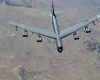
UPDATE: The United States has dramatically escalated its air campaign against Iran, striking nearly 2,000 targets as of today, October 3, 2023. This escalation comes as Operation Epic Fury enters its fourth day, with the introduction of B-52 strategic bombers into combat operations.
According to a recent release from CENTCOM, over 1,700 targets were hit within the first 72 hours of the operation. The air assault utilizes a combination of B-1, B-2, and B-52 bombers, alongside various fighter aircraft, drones, and advanced missile-defense systems such as Patriot and THAAD.
In a statement that underscores the urgency of this operation, CENTCOM emphasized the threat posed by Iran’s drone capabilities, declaring, “The Iranian regime’s killer drones have been a menace in the Middle East for years… These drones are no longer a tolerable risk.”
Further intensifying the conflict, CENTCOM commander Adm. Brad Cooper reported that Iranian naval forces have been significantly diminished, with 17 Iranian naval vessels, including a prominent submarine, destroyed. He confirmed that no Iranian warships are currently operating in critical maritime corridors.
This military escalation coincides with ongoing missile and drone attacks from Iran against Israel and U.S. interests in the region. A suspected Iranian drone strike targeted CIA facilities within the U.S. Embassy in Saudi Arabia earlier this week, prompting Washington to heighten security and adjust its diplomatic posture in the Gulf region.
The human toll of these strikes is alarming. The Pentagon reports six U.S. service members have died since the operation began, while the Iranian Red Crescent claims that U.S.-Israeli airstrikes have resulted in 787 casualties in Iran, although this figure remains unverified.
In addition to the direct impact of the strikes, the ongoing conflict is disrupting global energy shipping. The Strait of Hormuz, a vital passageway for approximately 20% of the world’s oil and gas supplies, has been closed for a fourth consecutive day, raising concerns among international shipping authorities.
As the situation continues to unfold, the focus remains on the evolving military actions and the broader implications for regional stability and global energy markets. The international community is urged to monitor these developments closely as tensions escalate.
Stay tuned for further updates on this rapidly developing story.