UPDATE: The U.S. House of Representatives is set to vote on H.R. 845, the “Pet and Livestock Protection Act of 2025,” this week, a critical piece of legislation aimed at removing gray wolves from the federal Endangered Species Act list. This bill would empower state wildlife agencies to manage wolf populations, reinstating a controversial 2020 rule by the U.S. Fish and Wildlife Service.
Immediate action is needed! The California Cattlemen’s Association (CDA) is urging its members to contact their U.S. Representative RIGHT NOW and advocate for a “YES” vote on H.R. 845. To find your representative, visit www.house.gov and enter your zip code under “Find My Representative.”
In alarming developments, wolves have been spotted dangerously close to Little Shasta Elementary School in Siskiyou County. As of December 12, 2025, reports confirm wolves were seen just 0.6 miles from the school and actively chasing cattle 0.9 miles away. Parents are growing increasingly concerned as children wait for the school bus in areas that are no longer safe.
Jess Harris, Supervisor for Siskiyou County, emphasizes the escalating threat: “The increasing habituation of wolves to human presence represents a serious public safety concern. This behavior is no longer isolated or rare.” Immediate and effective wildlife management solutions are urgently required to safeguard the community.
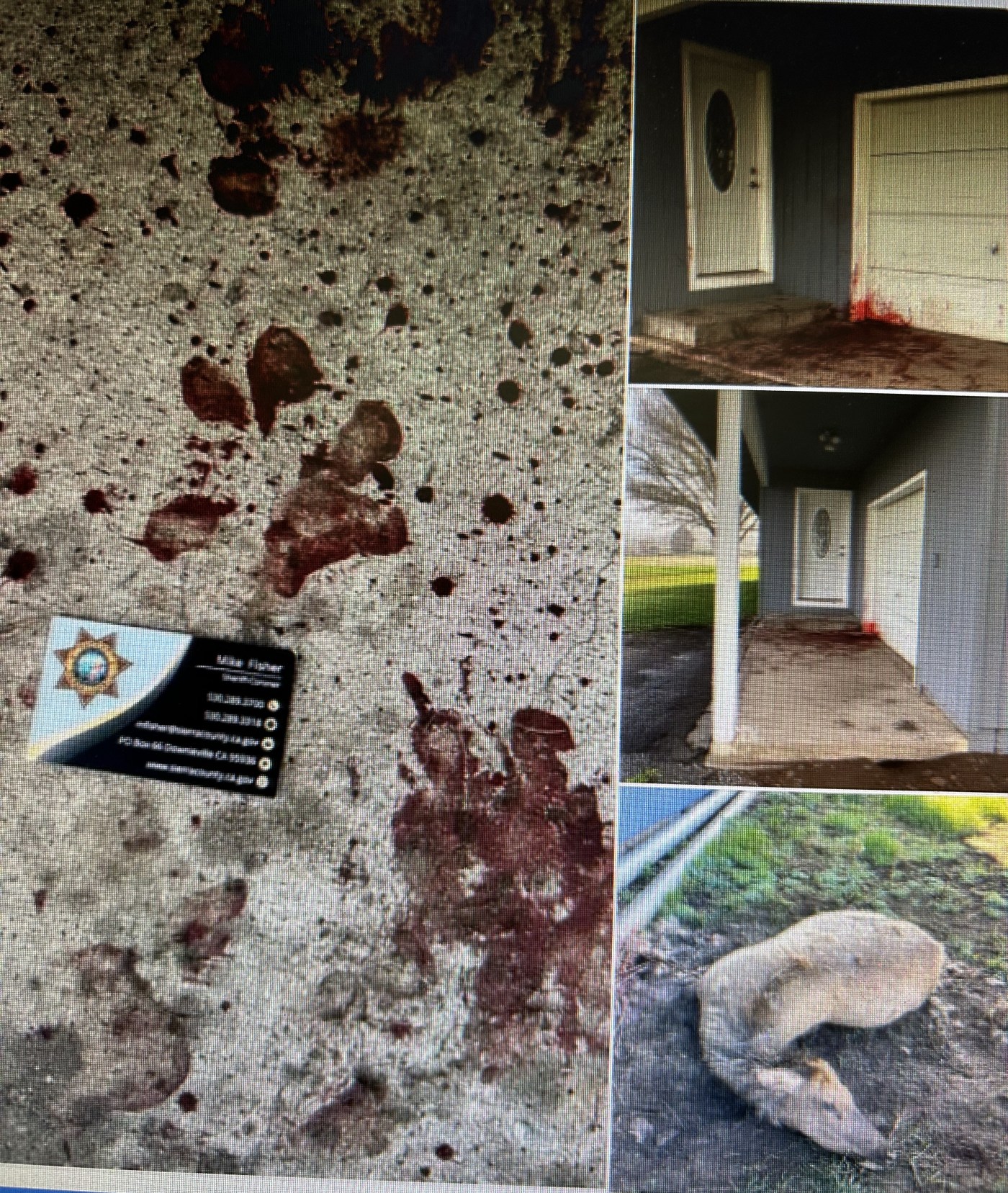
In rural America, the conflict between ranchers and wolves is drawing heightened attention. A recent report by agriculture journalist Angie Stump Denton indicates that many farmers in Sierra Valley have linked wolves to significant cattle losses during the 2025 grazing season. Many losses go unreported as carcasses are often consumed before investigators can assess the situation.
The impact of wolf predation extends beyond livestock deaths. Ranchers are experiencing heightened stress within their herds, leading to issues such as calf abortion and reduced overall health of livestock. According to UC-Davis, the indirect costs of wolf presence can result in substantial annual losses for producers, with wolves causing higher livestock losses per predator compared to coyotes or bears.
Farmers are not merely asking for wolves to be removed; they are demanding realistic management solutions. As ranchers face increasing threats to their livestock, families are experiencing emotional distress and financial strain. Sleep-deprived and burnt out, many ranchers describe the toll that wolf predation takes on their communities, as reduced herd sizes lead to declining local economies.
When ranching families suffer, it impacts the entire rural community. Local schools see a decline in enrollment, businesses such as veterinary clinics and feed stores struggle, and volunteer fire departments lose members.
Ranchers are seeking compensation for their losses that accurately reflects the challenges they face, along with the authority to intervene when livestock are under threat. They are calling for policies that do not leave rural families alone to shoulder the burdens of predator conservation.
What happens next? Watch for the House vote on H.R. 845, as its outcome could significantly alter wildlife management practices and impact rural communities across the nation.
This is a developing story, and updates will follow. Stay informed and share this critical information with your community.