URGENT UPDATE: Photographers struggling with blown-out skies and shadowless wildlife shots can find immediate solutions through new insights on dynamic range. In a compelling video released today, photographer Kilian reveals essential techniques to enhance wildlife photography, making it more accessible for both amateurs and seasoned professionals.
The video highlights the crucial concept of dynamic range—defined as the number of “steps” between deep shadow and bright highlight that a camera sensor can capture. Kilian explains how modern mirrorless cameras can achieve 13 to 14 stops at base ISO, significantly improving flexibility compared to older models limited to around 10 to 11 stops. This knowledge is vital for photographers aiming to capture subjects in contrasting lighting conditions.
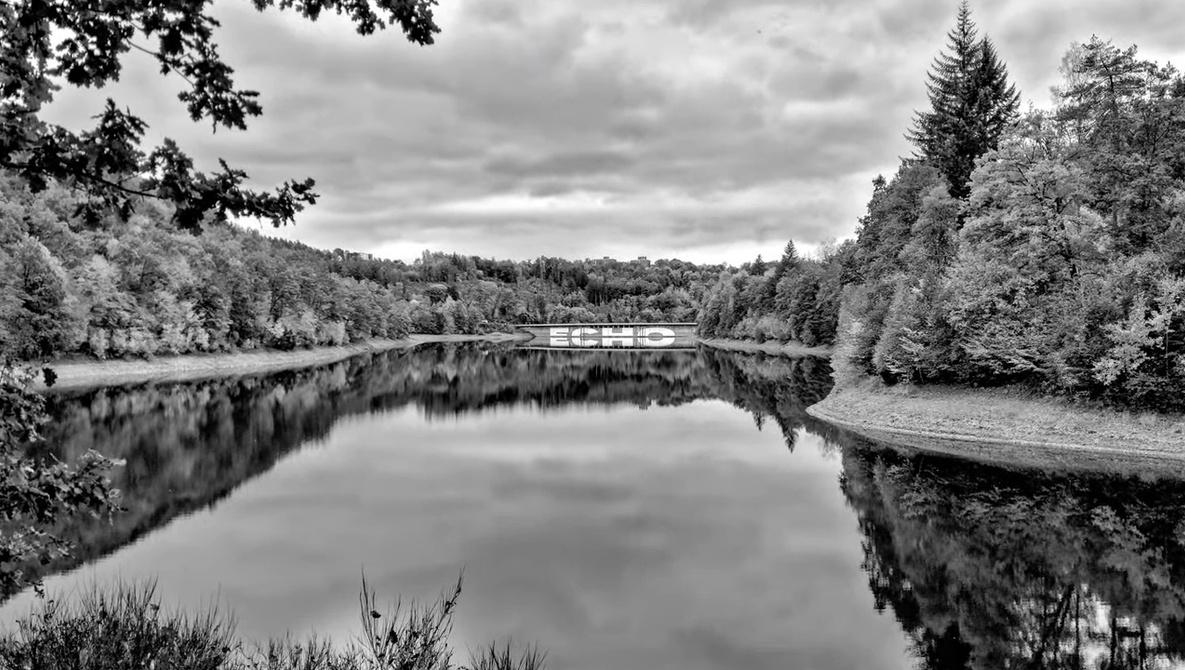
As Kilian illustrates, scenes with birds partially in sunlight and shade are challenging for many cameras, especially when capturing water reflections against a bright sky. The video emphasizes that raising ISO to accommodate these conditions can drastically reduce usable dynamic range—from a robust 14 stops at ISO 100 to as low as 7 or 8 stops at ISO 6,400 due to increased noise in the shadows.
The urgency of this knowledge cannot be overstated. Photographers are urged to understand that when the histogram reaches the right edge, it indicates that highlight detail is permanently lost. Kilian encourages viewers to back off slightly to preserve essential details in their shots.
Moreover, the video provides a striking comparison between JPEG’s 256 tonal levels and a typical raw file, which boasts over 16,000 levels. This stark difference illustrates why shooting in raw format is crucial for maintaining image quality and flexibility during post-processing. Kilian’s guidance is timely as many photographers prepare for seasonal wildlife shoots.
Practical exposure techniques are also discussed, such as when to protect highlights by reducing exposure in harsh light and when to expose to the right in softer lighting to maintain clean shadows. The video addresses the importance of adjusting ISO and shutter speed based on the scene’s demands, emphasizing that freezing motion can sometimes take precedence over maximizing dynamic range.
Field tactics are highlighted, encouraging photographers to recompose their shots to place subjects in open shade or use natural elements like trees or clouds to mitigate contrast. Kilian also introduces exposure bracketing and HDR techniques as valuable tools for wildlife photography, particularly when subjects are stationary.
“Many favorite wildlife images feature blown highlights or deep shadows, which can evoke emotion when handled intentionally,” Kilian states in the video. “Understanding and accepting your dynamic range limits is essential.”
This knowledge is not just theoretical; it has practical applications that can immediately improve photographic outcomes. Kilian recommends using resources like Photons to Photos to assess where your camera struggles with dynamic range, which can empower photographers to make informed decisions in the field.
As wildlife photographers gear up for new adventures, these insights serve as a crucial reminder that understanding dynamic range can significantly impact the quality of their images. Kilian’s video is a must-watch for anyone looking to elevate their wildlife photography skills.
Don’t miss the full video for a comprehensive understanding of dynamic range and practical photography tips. The time to enhance your skills is now!
For more insights, follow Alex Cooke, a Cleveland-based photographer and meteorologist, who teaches music and connects with nature through photography.