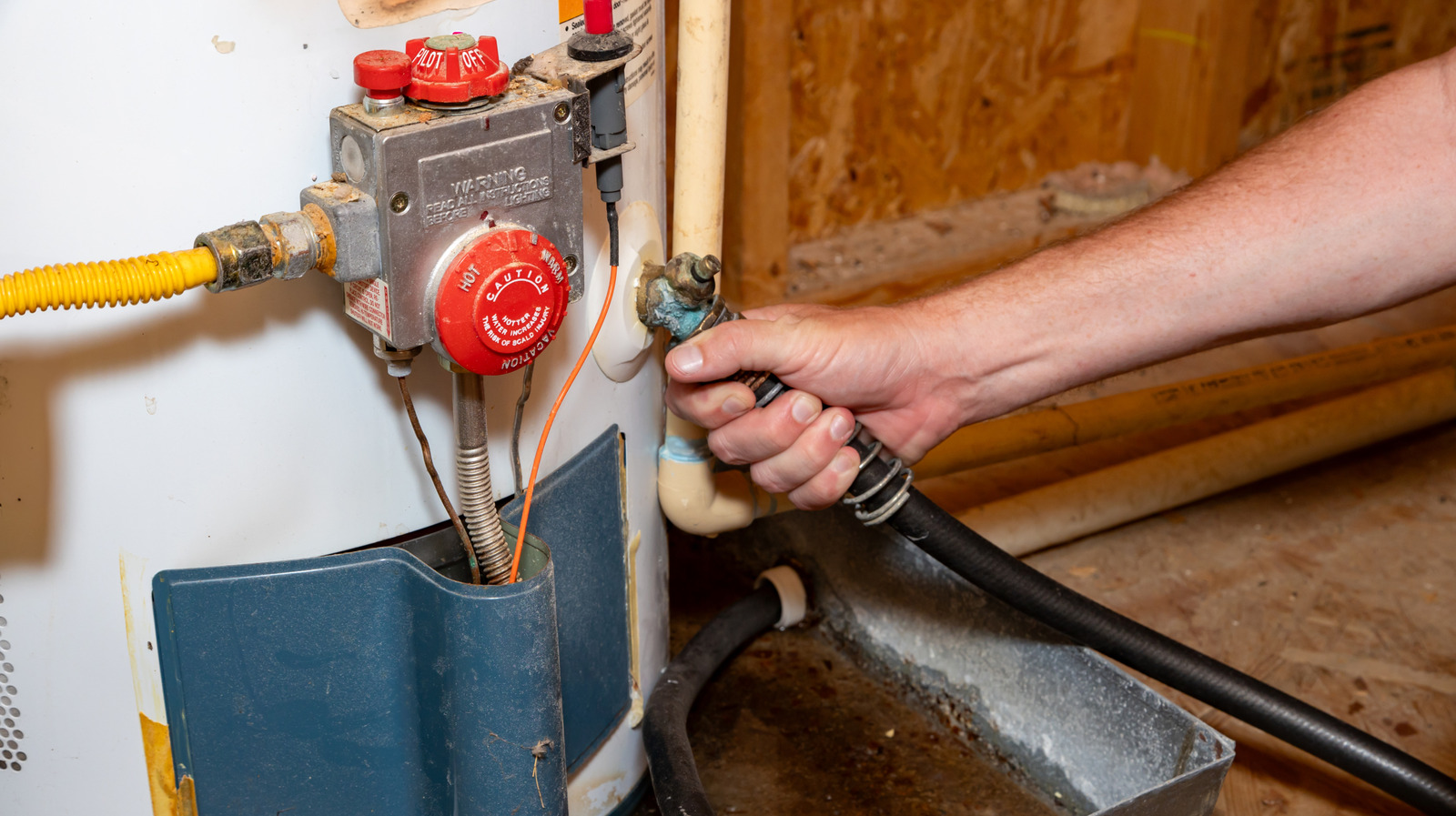
URGENT UPDATE: Homeowners are being reminded to prioritize the routine draining of their water heaters to avoid costly repairs and increased energy bills. Experts emphasize that this essential maintenance task should be performed twice a year, specifically in the spring and fall, yet many neglect to do so.
Failure to drain your water heater allows sediment and mineral buildup to accumulate, severely affecting the tank’s efficiency. This buildup can lead to higher energy costs as the heater works harder to warm water, ultimately shortening its lifespan. The risk of corrosion and blocked pressure release valves also increases, posing potential safety hazards.
With energy prices on the rise, homeowners must act now to protect their investments and save money. Draining your water heater doesn’t require extensive tools or expertise; it can be accomplished with just a garden hose and a few simple steps.
Here’s how to do it effectively:
1. First, turn off the water supply at the top of the tank.
2. Next, cut power to your heater—this means switching off the electrical panel for electric units or setting gas units to “pilot.”
3. Allow the water to cool for several hours or overnight for safety.
4. Connect a garden hose to the drain valve and direct the other end to a floor drain or outside.
5. Open a hot water faucet nearby to relieve pressure, then open the drain valve to let the tank empty.
6. Once drained, keep the drain valve open and turn on the cold water to flush out remaining sediment.
7. Close the drain valve, remove the hose, and refill the tank before restoring power.
Experts recommend this simple upkeep to enhance energy efficiency and prolong the life of your water heater, ultimately saving you hundreds of dollars in energy costs.
Don’t let your water heater become a financial burden. Taking these steps now can ensure your system runs smoothly and safely for years to come. Share this crucial information with fellow homeowners to promote safe practices and energy efficiency!