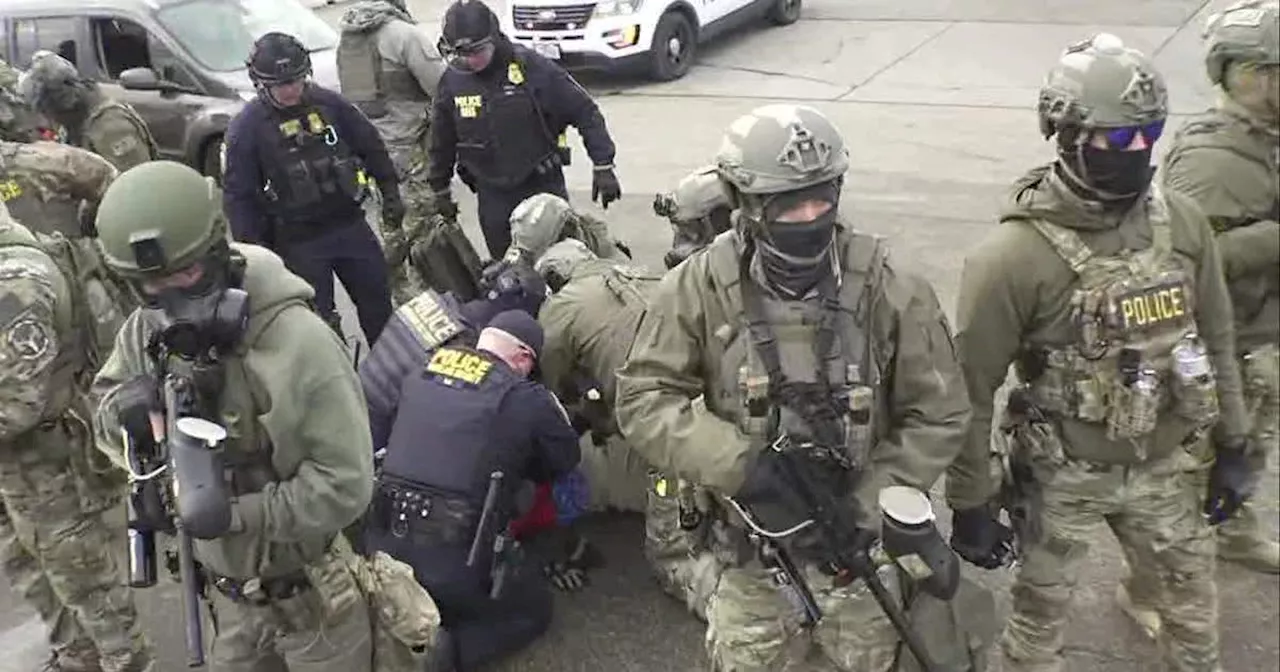
UPDATE: Tensions are escalating in Minnesota as the presence of Immigration and Customs Enforcement (ICE) agents is set to increase, following the tragic shooting of Renee Nicole Good by an ICE agent. Public figures, including Rep. Betty McCollum and Gov. Tim Walz, have condemned the actions of the Trump administration, igniting fierce protests and legal challenges across the state.
The controversy erupted after reports confirmed that ICE plans to establish a detention center in Woodbury, Minnesota, capable of holding up to 1,500 detainees. This facility has raised alarms among community leaders, who fear that such expansions will further endanger local residents and contribute to an atmosphere of fear. McCollum has called for an immediate halt to ICE operations in Minnesota to allow for a thorough investigation into Good’s death, emphasizing that current immigration policies are threatening public safety.
Public outrage has been palpable, with protests occurring outside the Federal Whipple Building, ICE’s headquarters. Demonstrators have clashed with federal agents in riot gear, resulting in arrests. This unrest underscores a growing discontent with ICE’s tactics and policies, which many view as excessively harsh and politicized.
Adding to the turmoil, the recent resignations of several prosecutors from the U.S. Attorney’s Office in Minnesota, including former acting U.S. Attorney Joe Thompson, signal a troubling trend in the politicization of justice. Governor Walz lamented Thompson’s departure, criticizing the Trump administration for replacing experienced professionals with political appointees.
“The family of Renee Good deserves justice, not political attacks,”
stated Sen. Amy Klobuchar, reflecting the sentiments echoed by many Minnesotans.
The ICE acting director, Todd M. Lyons, has faced backlash for dehumanizing comments that equated deportations to package deliveries, further inflaming tensions. Critics argue that such rhetoric trivializes the harsh realities faced by detainees, who often endure substandard living conditions in facilities ill-equipped for human habitation.
As protests continue and legal battles unfold, the situation in Minnesota is becoming increasingly significant in the national debate over immigration policy. October 2023 promises to be a pivotal month, as community leaders, lawmakers, and concerned citizens mobilize against what they describe as an “ICE invasion.”
Authorities confirm that the public outcry and legal challenges may influence the federal government’s approach, but for now, the expansion of ICE operations seems imminent. The events surrounding the shooting of Renee Nicole Good and the proposed detention center in Woodbury are likely to keep Minnesota at the forefront of discussions about immigration enforcement.
The urgency of these developments cannot be overstated. As public protests and legal challenges ramp up, all eyes are on Minnesota. The impact on local communities and the broader implications for immigration policy are unfolding in real-time, making it essential for residents and observers alike to stay informed and engaged.