UPDATE: The proposed merger between Nexstar Media Group and TEGNA, Inc. is stirring urgent concerns over the future of local news across the United States. If approved, this deal would consolidate control over 265 TV stations that reach more than 80 percent of American households, drastically impacting the diversity and quality of local news coverage.
This merger, which has drawn criticism from various quarters, could create a media giant that undermines local journalism’s integrity. Experts warn that it would replicate the homogenization seen in print media, where once-unique local newspapers have been absorbed into massive chains. Alarmingly, in some markets, competing stations have been found to air identical news scripts, raising severe questions about the authenticity of local reporting.
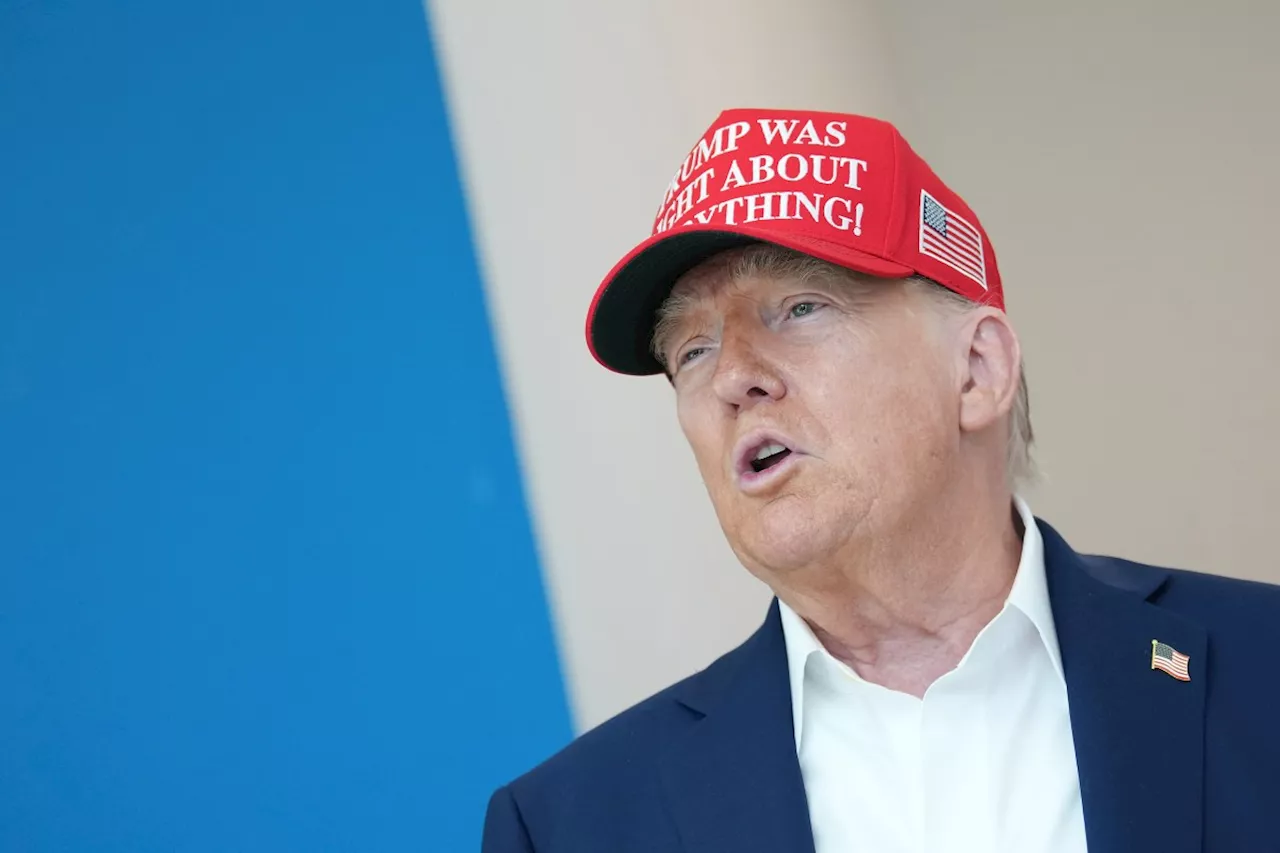
Former President Donald Trump recently voiced his opposition, emphasizing the need to maintain robust local news outlets. During an event on August 22, 2025, he stated, “We must protect local news from becoming just another arm of big media.” His comments have reignited discussions about the importance of local journalism in shaping political narratives that resonate authentically with communities.
The Federal Communications Commission (FCC), under scrutiny for its regulatory powers, is facing pressure to approve the merger without considering the implications for local news. Critics, including Newsmax CEO Chris Ruddy, argue that this merger violates national audience reach caps established decades ago to prevent media monopolies. These rules were designed to ensure a plurality of voices in local news, allowing communities to trust the sources that report on their lives.
The stakes are high. If the merger is greenlighted, consumers could see retransmission fees—the costs broadcasters charge cable and satellite companies—skyrocket, exacerbated by the increasing consolidation of media power. Over the past 15 years, these fees have surged by more than 2,000 percent, and further consolidation would likely worsen this trend.
Legal experts suggest that the FCC may lack the authority to waive the reach cap, especially considering recent Supreme Court rulings. The decision on the Nexstar/TEGNA merger is not merely a corporate matter; it’s a question of preserving the democratic function of local journalism in America.
In a time when trust in media is crucial, the potential for one company to dominate local narratives poses a significant risk. As the media landscape evolves, the urgency of protecting local news has never been more pronounced. Citizens and stakeholders alike are called to reflect on the role of local media and the implications of allowing further consolidation in the industry.
The next steps are critical. Advocates for local journalism will be closely monitoring the FCC’s actions in the coming days. Will regulators heed the warnings from local news supporters and halt this merger, or will they succumb to the pressures of corporate interests? This developing story is one that demands attention as it unfolds.
Stay tuned for updates on this critical issue that could reshape the future of news in America.