UPDATE: In a dramatic military operation early on January 3, 2026, the United States has successfully captured Venezuelan President Nicolás Maduro and his wife, Cilia Flores, in Caracas. This unprecedented move has sent shockwaves through the Venezuelan community in Philadelphia and sparked immediate political backlash from local leaders.
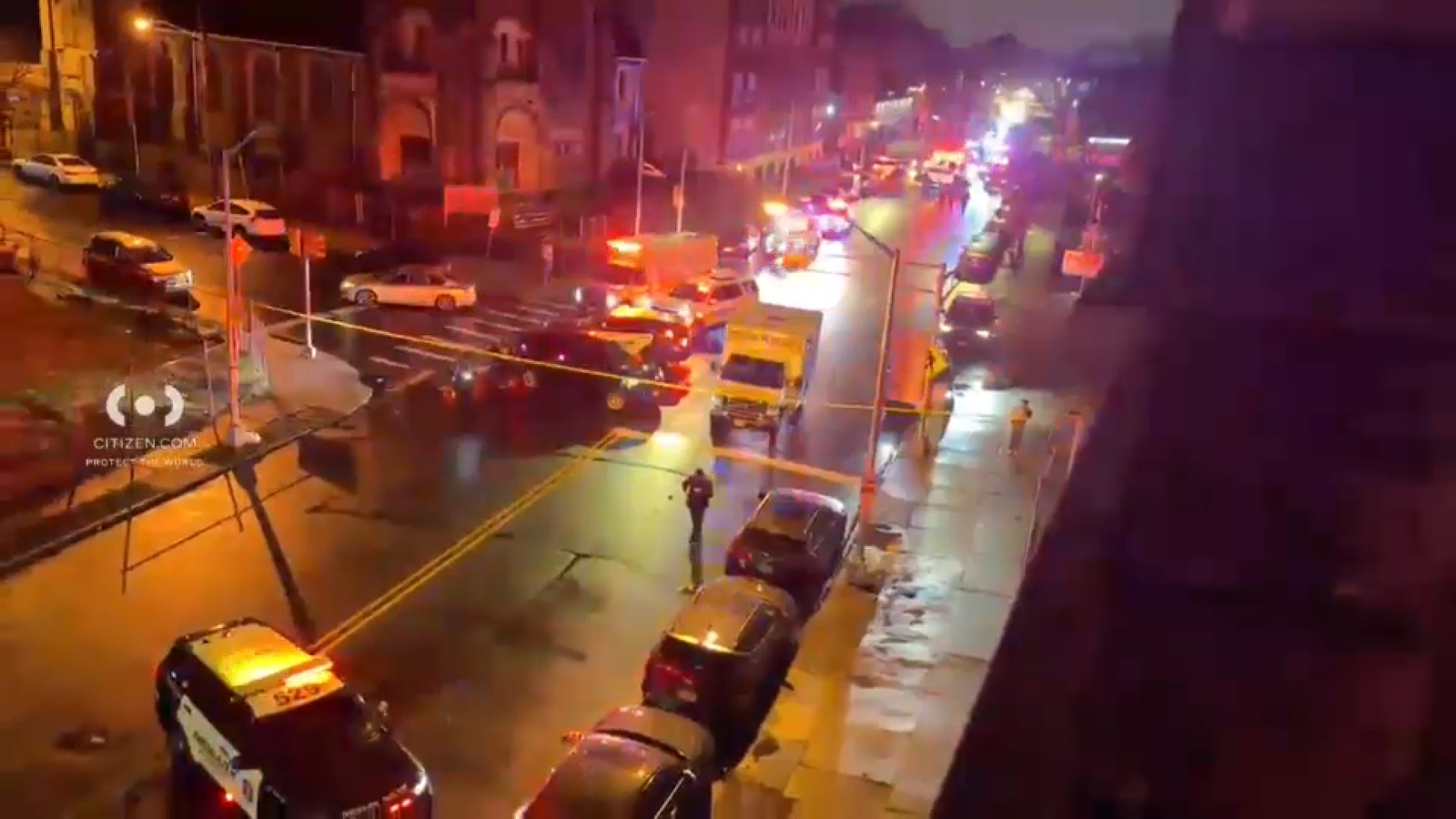
As reports of explosions and power outages flooded social media from Caracas, Philadelphia’s Venezuelan community reacted with a mixture of fear and relief. “I was immediately scared, even with all the military, I did not think Caracas was going to get bombed,” said local restaurateur Juan Arends, who recounted the chaos unfolding in his homeland. The couple was reportedly taken from their residence at a military base and transported to New York, where they face prosecution for alleged involvement in a narco-terrorism conspiracy.
The operation culminated months of increased pressure from the U.S. government, which has long condemned Maduro’s regime for drug trafficking and human rights abuses. Speaking from Mar-a-Lago, President Donald Trump announced the U.S. would “run Venezuela” until a transition of power could be arranged, prompting fierce criticism from politicians across party lines.
U.S. Representative Brian Fitzpatrick stated, “Venezuela’s future belongs to the Venezuelan people alone,” while others expressed concerns over the legality of the operation, emphasizing that Trump did not seek congressional authorization.
In the wake of the raid, U.S. Senator Andy Kim criticized the administration’s narrative, accusing it of misleading Congress about the true intentions behind the military action. “This strike doesn’t represent strength. It’s not sound foreign policy,” Kim remarked, underlining fears that the operation could further isolate the U.S. from its allies.
The sentiments were echoed by Senator Chris Coons, who stated, “President Trump put American service members in harm’s way to capture Maduro, but the president lacks a clear plan for what comes next.” The potential ramifications of this operation extend beyond Venezuela, with experts warning it could create additional instability in the region.
In Philadelphia, where approximately 7,000 Venezuelans reside, local organizations like Casa de Venezuela Philadelphia have been mobilizing support. They issued a joint statement urging the community to remain calm and seek unity in challenging times. A vigil for Venezuela’s future is scheduled for noon on Sunday at the Cathedral Basilica of Saints Peter and Paul.
As news of the military operation settles in, many in Philadelphia are grappling with the uncertainty of what the future holds for their homeland. “I’m hopeful but it doesn’t feel like we are at the point where this is over,” Arends reflected, emphasizing the emotional toll this situation has taken on those with ties to Venezuela.
The U.S. government’s stance is clear: it does not recognize Maduro as a legitimate leader. Trump reiterated this position, asserting that the U.S. would continue to combat drug trafficking and ensure that “the will of the Venezuelan people” is honored.
As developments unfold, the international community is closely watching the U.S.’s next steps in Venezuela, which could reshape the geopolitical landscape in South America. With heightened tensions and uncertainty prevailing, the world awaits further updates on this historic moment that may redefine U.S.-Venezuela relations for years to come.