UPDATE: President Donald Trump has set his sights on Venezuela’s staggering oil reserves, potentially the largest on the planet with over 300 billion barrels. This urgent move follows his recent capture of Venezuelan President Nicolás Maduro. Experts are warning that this could have dire consequences for the global climate.
Venezuela’s oil, primarily sourced from the Orinoco Belt, is notorious for being some of the dirtiest in the world. Climate scientists are raising alarms, as extracting this heavy sour crude is energy-intensive and environmentally damaging. “Venezuela’s oil is considered ‘dirty’ because of physics and infrastructure,” stated Guy Prince, head of energy supply research at Carbon Tracker.
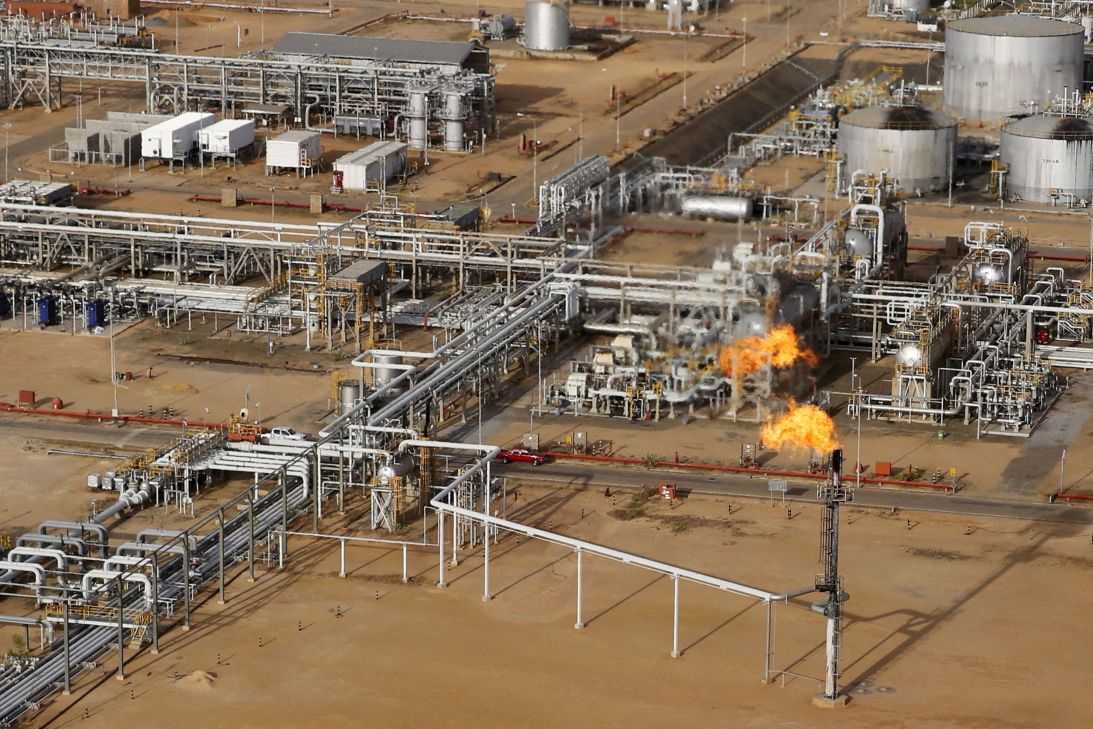
The extraction process requires heating the thick, molasses-like oil with steam, demanding large amounts of energy, often derived from natural gas, a significant contributor to climate change. The International Energy Agency reports that the methane intensity of Venezuelan oil operations is a staggering six times the global average.
Currently, each barrel of Venezuelan oil produced releases more than double the climate pollution compared to the global average. “The oil’s high sulfur content complicates refining,” noted Patrick King, head of emissions research at Rystad Energy. “It requires specialized equipment and energy-intensive processes.”
Compounding the issue, Venezuela’s aging infrastructure poses risks for environmental disasters, including spills and methane leaks. A 2022 report by the Venezuelan Observatory of Environmental Human Rights recorded 199 oil spills from 2016 to 2021, with estimates suggesting the true number is much higher.
Despite the potential for increased production, the economic feasibility remains questionable. Venezuela’s oil output has plummeted since 2016, dropping from around 2 million barrels per day to under 1 million, largely due to U.S. sanctions and lack of investment. It would take over $53 billion in investments over the next 15 years just to maintain current production levels, Rystad Energy reports.
The prospect of ramping up production to past heights of over 3 million barrels per day could cost a staggering $183 billion. Experts agree that in a world oversaturated with oil and on the brink of peak demand, this approach is economically unsound. “It’s a very expensive way to produce high-cost, high-emissions oil,” warned Prince.
If Venezuelan oil production were to increase, the implications for global climate goals could be catastrophic. “Most likely, carbon emissions would significantly increase,” said Diego Rivera Rivota, senior research associate at Columbia University. However, Rystad’s King cautioned that this increased production may not translate to more oil globally.
The most critical concern remains the diversion from clean energy transitions. “The significant climate impact of a Venezuelan intervention wouldn’t be the immediate release of carbon but rather the distraction from the clean energy transition,” Prince emphasized. This move could reinforce outdated resource-conflict mindsets, creating instability that hampers coordinated climate action.
As Trump pursues this aggressive energy strategy, the world watches closely. The implications for both climate and global politics are profound. The next steps taken by the U.S. and Venezuela could set a new course in the global energy landscape, with far-reaching effects on climate initiatives worldwide.
Stay tuned for more updates on this developing story.