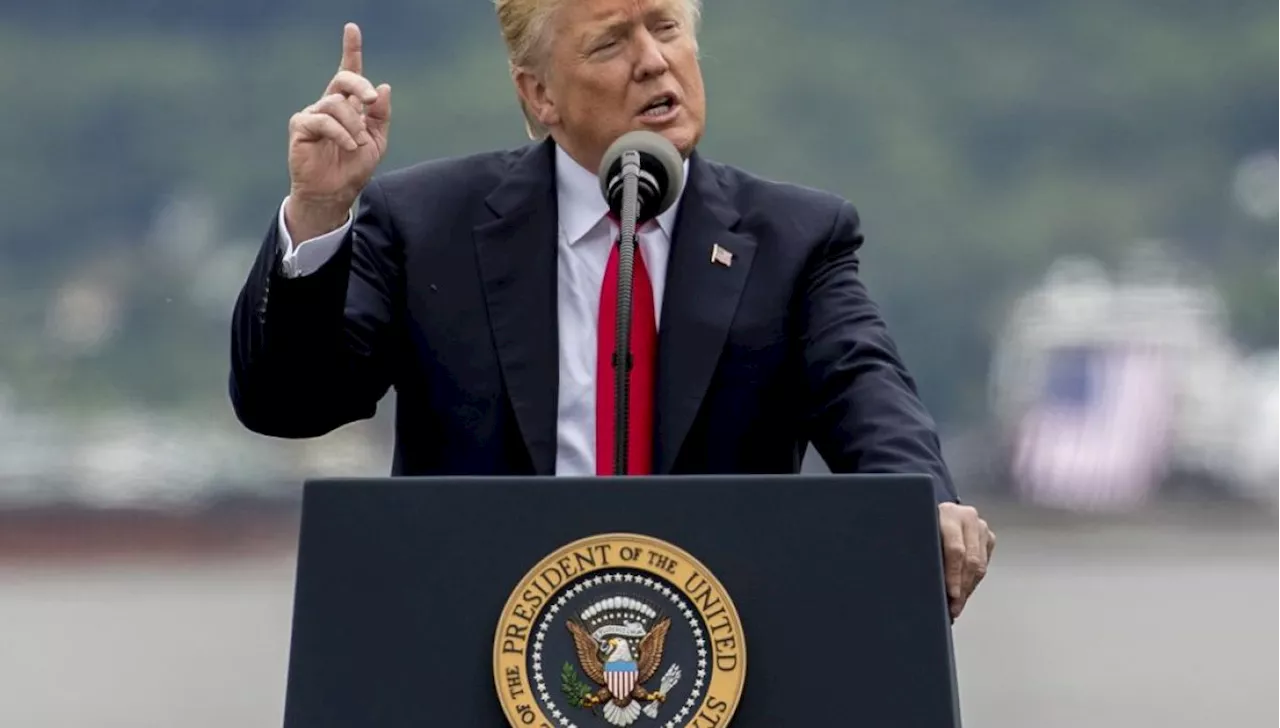
UPDATE: President Donald Trump has just announced a significant expansion of the travel ban, now affecting a total of 17 countries in the Middle East and Africa. This urgent measure aims to bolster national security through “data-driven restrictions” and comes after alarming incidents, including a shooting involving National Guard members near the White House.
The latest proclamation, signed earlier today, adds Burkina Faso, Mali, Niger, South Sudan, and Syria to the existing list of countries already under a travel ban. The original restrictions, which were first imposed in June, include Afghanistan, Burma, Chad, Republic of Congo, Equatorial Guinea, Eritrea, Haiti, Iran, Libya, Somalia, Sudan, and Yemen.
The White House cited “widespread corruption, fraudulent or unreliable civil documents, and criminal records” as key reasons for these expanded restrictions. Officials are particularly concerned about foreign nationals from these regions, stating they lack sufficient information to assess the risks posed by individuals entering the U.S.
“The restrictions and limitations imposed by the Proclamation are necessary to prevent the entry of foreign nationals about whom the United States lacks sufficient information,”
a White House spokesperson confirmed.
In a related security measure, the Trump administration has also barred individuals holding Palestinian Authority-issued travel documents from entering the U.S. Additionally, 15 countries face partial travel bans, including Angola, Antigua and Barbuda, Benin, Côte d’Ivoire, Dominica, Gabon, Gambia, Malawi, Mauritania, Nigeria, Senegal, Tanzania, Tonga, Zambia, and Zimbabwe.
This announcement follows a troubling incident where a citizen of Afghanistan, who had worked with the CIA and was airlifted out of Kabul in April 2021, was approved for asylum but raised concerns about how he was vetted. The administration is reacting swiftly to avoid any potential threats, particularly after the recent attack on National Guard members who were part of the president’s anti-crime initiative.
Trump’s administration has made it clear that they will implement a “full travel ban” from countries perceived to be “flooding” the U.S. with “criminals.” This latest move underscores the administration’s commitment to national security, especially in light of recent events.
As this story develops, the implications of these travel restrictions could have significant effects on international relations, immigration policies, and the lives of countless individuals seeking refuge or opportunities in the United States.
Stay tuned for more updates as this situation unfolds.