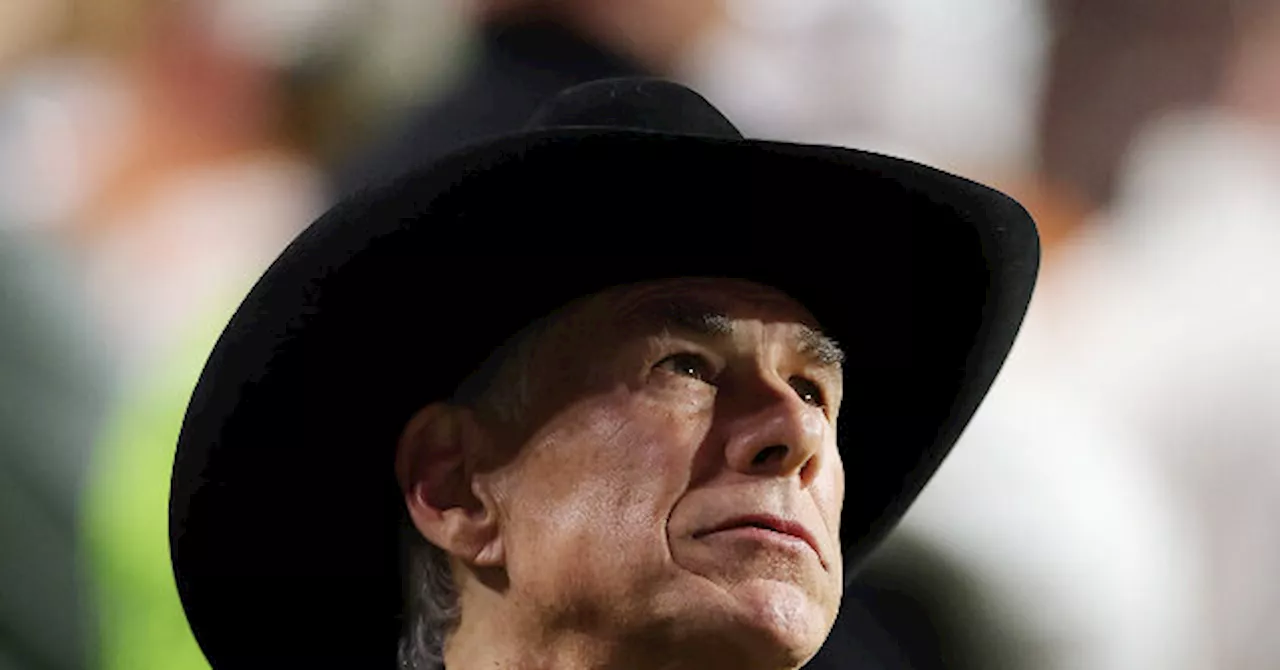
UPDATE: Texas Governor Greg Abbott has officially designated the Council on American-Islamic Relations (CAIR) as a terrorist organization, igniting a firestorm of backlash and a lawsuit that threatens to reshape civil rights discourse in the state. This shocking announcement, made in November, also targeted the Muslim Brotherhood, branding both groups as threats to national security.
The implications of Abbott’s proclamation are profound. He claimed these organizations aim to impose Sharia law and promote Islam’s dominance globally, actions he described as supporting terrorism and undermining legal frameworks through violence and intimidation. Abbott emphasized that radicals are unwelcome in Texas, stating they would be barred from acquiring any real property within the state.
The response has been swift. CAIR has filed a lawsuit against Abbott, with Texas Attorney General Ken Paxton named as a defendant, arguing the designation infringes upon their First Amendment rights. Mustafaa Carroll, executive director of CAIR-Dallas Fort Worth, accused Abbott of penalizing a civil rights organization simply for its right to criticize foreign policy.
At a recent press conference, Carroll stated, “This is a direct attack on our rights to speak out against injustices.” CAIR has historically fought legal battles to uphold their rights, particularly in cases involving criticism of the Israeli government.
Support for CAIR has emerged from various quarters, including Jewish Voice for Peace, whose representatives have expressed solidarity against Abbott’s controversial designation. Deborah Armintor, a spokesperson, called the proclamation “false and unconstitutional,” amplifying fears about the potential for discrimination and violence against Texas’s Muslim community.
The implications of Abbott’s actions extend beyond legal ramifications. Critics warn of a chilling effect on free speech and the rights of American Muslims to voice their opinions on political matters. Concerns have been raised about how this designation could exacerbate existing tensions and lead to increased hostility towards Muslims in Texas.
Abbott’s office clarified that the proclamation grants enhanced enforcement powers against CAIR and its affiliates, restricting their ability to acquire land. This has raised alarms about the potential infringement on religious freedoms and property rights, prompting urgent discussions about the balance between national security and civil liberties.
The broader context reveals a charged political landscape where religious freedom and advocacy intersect with national security rhetoric. As debates intensify, many are questioning the motivations behind Abbott’s actions, pondering whether they stem from genuine security concerns or political expediency.
The situation is developing rapidly, with ongoing reactions from various groups and individuals. The discourse around this controversy continues to reflect deep divisions within society regarding Islam, terrorism, and civil rights.
As this legal battle unfolds, the impact on the Muslim community and Texas politics is expected to resonate for years to come. The urgency of this situation calls for a careful examination of the implications of such designations and their effects on the foundational principles of freedom and justice.
Stay tuned for updates on this critical issue as the legal proceedings progress and reactions evolve.