UPDATE: Researchers from the National Autonomous University of Mexico have just unveiled the first-ever three-dimensional image of the Popocatepetl volcano, a significant breakthrough that could reshape volcanic monitoring and disaster preparedness. This urgent development provides critical insights into the volcano’s magma accumulation and activity, which poses a threat to over 25 million people living within a 62-mile radius of the active site.
The team, led by geophysicist Marco Calo, has meticulously increased the number of seismographs from 12 to 22, allowing for a far more detailed analysis of seismic signals that reveal the volcano’s internal structures. The resulting 3D image extends 11 miles below the crater, identifying multiple magma pools at varying depths, crucial for understanding what lies beneath this active giant.
Popocatepetl, affectionately known as El Popo, has been under scientific scrutiny due to its continuous activity since 1994, which includes regular emissions of smoke, gas, and ash. The implications of an eruption here are vast, affecting not just local communities but also critical infrastructure such as houses, schools, hospitals, and five airports in the vicinity.
Calo and his team have utilized advanced artificial intelligence techniques to analyze seismic data, categorizing various signals to infer the internal materials, their states, temperatures, and depths. This comprehensive mapping of the volcano’s interior is vital for improving safety measures and forecasting potential hazards, significantly enhancing the ability of authorities to respond effectively.
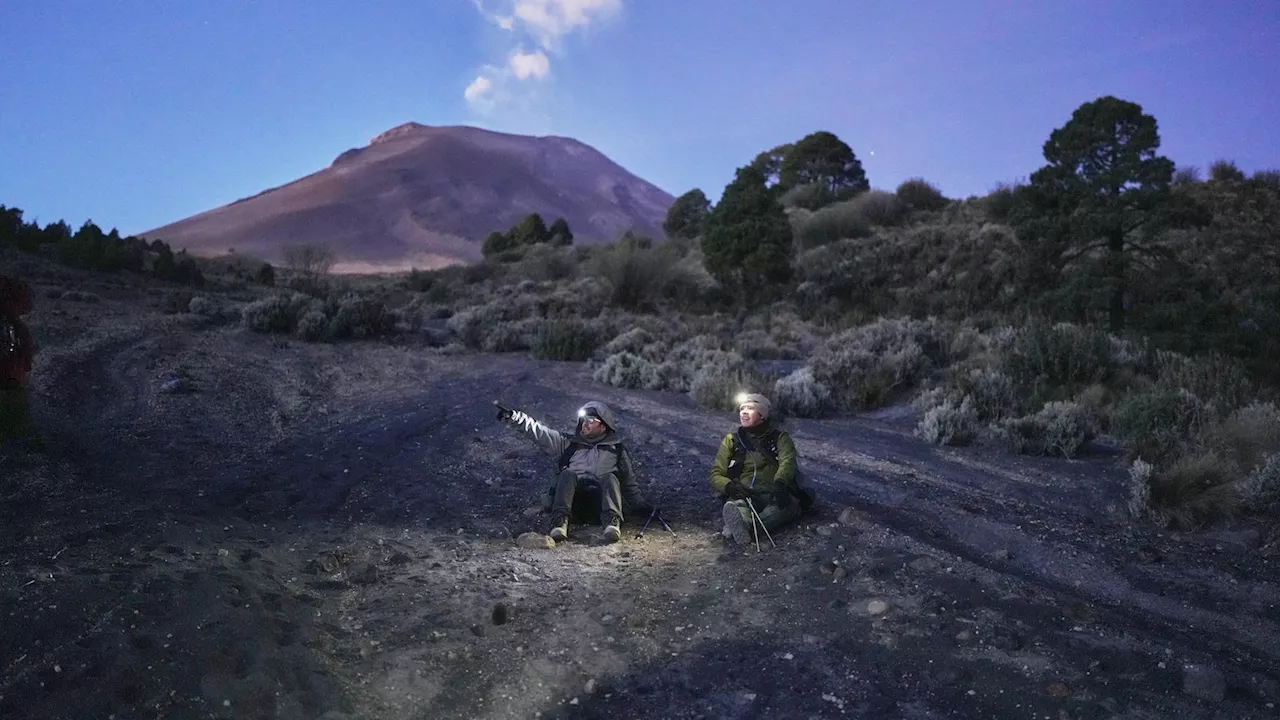
In the field, the researchers camped at an altitude of 12,500 feet, where they experienced the dynamic sounds of the volcano, including the echoes of small tremors and the ominous rustle of ash. Karina Rodriguez, a team member, noted the eerie sensation of hearing the volcano’s activity as if it were alive, emphasizing the importance of hands-on experience in understanding such a complex natural phenomenon.
This pioneering work not only sheds light on the volcanic structure but also highlights the historical context of Popocatepetl’s eruptions, including its impact on local populations in centuries past. The team remains dedicated to unraveling the mysteries of one of the world’s most active volcanoes, aiming to improve disaster preparedness for the millions who could be affected.
As this story develops, researchers will continue to analyze the volcano’s internal environment, enhancing understanding of its behavior and hazards. This crucial mapping effort is set to significantly bolster the safety and security of residents and visitors alike, making this groundbreaking research a priority for the scientific community and local authorities.
Stay tuned for further updates as the situation evolves.