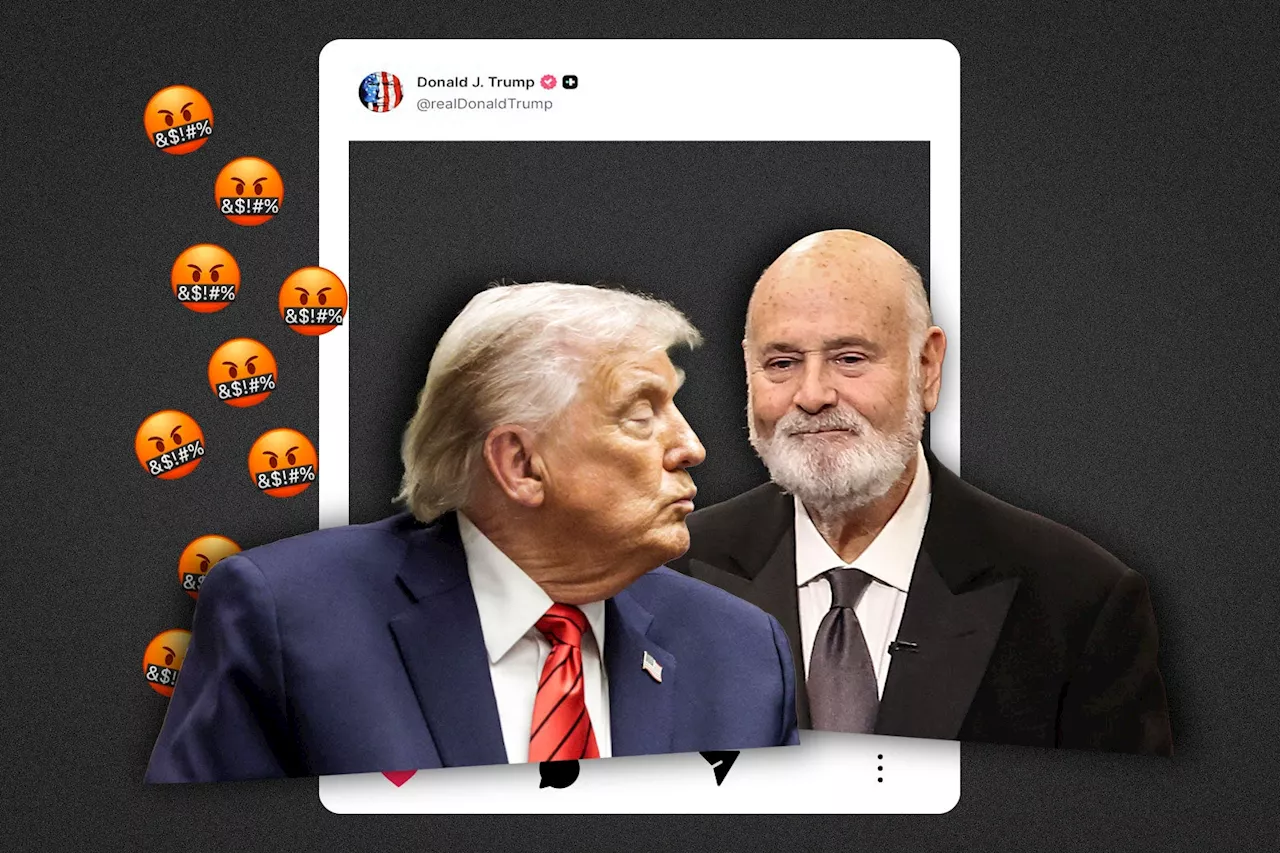
Donald Trump faces notable criticism from within his party following his controversial comments regarding filmmaker Rob Reiner. After suggesting that Reiner had “brought death upon himself” due to his disdain for the president, several Republican figures responded strongly, indicating a shift in how party members view Trump’s actions.
The backlash from congressional Republicans illustrates a growing willingness to speak out against Trump’s behavior. Rep. Stephanie Bice from Oklahoma tweeted, “A father and mother were murdered at the hands of their troubled son. We should be lifting the family up in prayer, not making this about politics.” This response marks a departure from the typical silence or avoidance previously seen among Republican lawmakers reacting to Trump’s incendiary remarks.
Notably, the criticisms are not confined to less influential members of Congress. Several prominent Republicans, including those from swing districts, have publicly distanced themselves from Trump’s comments. This proactive engagement suggests that the fear of political repercussions from challenging the former president may be diminishing.
A seasoned Republican operative, speaking anonymously, commented to Slate about the changing dynamics within the party. “Trump rules by fear,” they said, emphasizing that the climate has shifted, and many within the party are less intimidated by his influence than in the past. The operative pointed to Trump’s recent inability to rally support among Indiana state senators for a gerrymandering proposal, where a majority of Republicans opposed him, as evidence of this shift.
While Trump still commands significant loyalty among Republican voters, his influence appears to be waning. Approval ratings for the former president have reached all-time lows, particularly following recent elections where Democrats have outperformed expectations. This decline has led to a growing reluctance among Republicans to excuse his more extreme comments.
The aftermath of recent tragic events, such as a mass shooting at Brown University and a terrorist attack at Bondi Beach in Australia, has further complicated the political landscape. Many party members are seen to be wary of any rhetoric that could be perceived as insensitive or inflammatory. The general sentiment among Republicans appears to favor unity and sensitivity rather than divisive commentary, especially in light of these events.
Despite this backlash, Trump remains a formidable figure within the Republican Party. His endorsements continue to hold significant weight, often translating into victories in primary elections. However, the growing dissent among party leaders reflects a gradual change in the political climate, suggesting that Republicans are beginning to engage more critically with Trump’s leadership.
As Trump reiterated his controversial position by labeling Reiner as “a deranged person” in an afternoon statement, the tension between him and certain factions within the GOP seems poised to escalate. While he remains a key player in the party, the reluctance of some Republicans to defend him against criticism indicates a potential turning point in the party’s dynamics.
As the political landscape evolves, the relationship between Trump and the Republican Party may continue to shift, with implications for both future elections and the party’s overall direction.