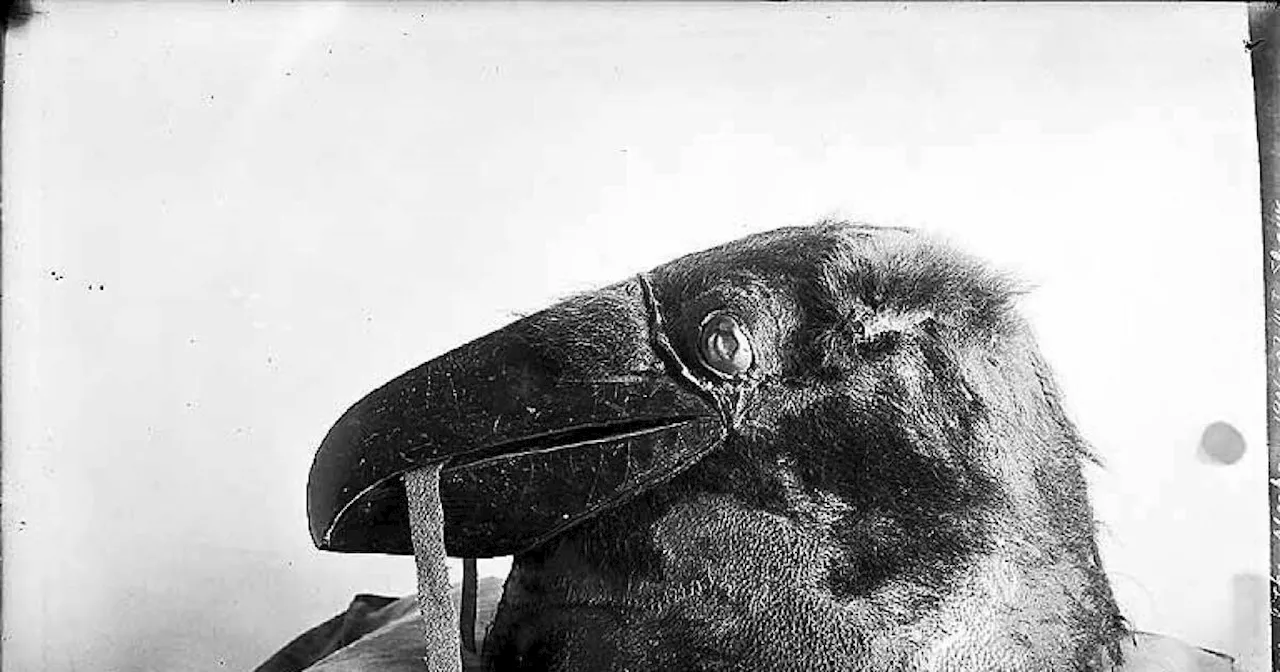
BREAKING: The historic Raven helmet, a sacred artifact from the Battle of Sitka, is set to return to the Kiks.ádi clan after more than 100 years in state custody. This urgent repatriation marks a significant victory for the Kiks.ádi, who have fought for decades to reclaim their cultural heritage.
The Alaska State Museums confirmed that they will initiate the process of returning the helmet, which has been displayed at the Sheldon Jackson Museum since 1906. Clan leaders argue the helmet, considered at.oow, is a vital part of their identity and cultural practices.
Aanyaanáxch Ray Wilson, the Kiks.ádi clan leader residing in Juneau, expressed the deep emotional toll of losing such a cherished item. “When we don’t have our items, we can’t use them,” he stated. “It’s really hard to accept.”
The helmet has historical roots dating back to 1804, when warrior Ḵ’alyáan led resistance against Russian colonizers. For the Kiks.ádi, the helmet symbolizes resilience against colonial oppression and a connection to their ancestors.
The journey to reclaim the helmet began decades ago, supported by clan member Lduteen Jerrick Hope-Lang, who has continued the fight started by his grandmother. “If you’re asserting you have the right to anything, there must be proof,” he said. Hope-Lang’s efforts included thorough research into the helmet’s history and the circumstances under which it was taken.
In a pivotal moment, the Alaska State Museums acknowledged the Kiks.ádi’s claims, stating they are working to “develop and nurture collaborative working relationships” with the Sitka Tribe of Alaska. This collaboration signals a shift toward acknowledging the rights of Indigenous people in reclaiming cultural artifacts.
Yeidikook’áa Brady-Howard, chairwoman of the Sitka Tribe, highlighted the significance of the helmet’s return as part of a broader movement to reunite Indigenous peoples with their heritage. “Those items that are scattered across the country are literally our ancestors living away from their homeland,” she explained.
While the Alaska State Museums confirmed the intention to repatriate the helmet, several procedural steps remain. They must submit a notice to the Federal Registrar and formally remove the helmet from their collection before finalizing the transfer.
The implications of this repatriation extend beyond a single artifact. As Hope-Lang noted, “It changes the narrative.” The return of the helmet offers a powerful opportunity for the Kiks.ádi to restore cultural practices and empower future generations.
As this story develops, many are watching closely to see how this repatriation may inspire similar efforts across the country. The Kiks.ádi’s fight for their heritage highlights the necessity of reconciliation and healing in the wake of colonial injustices.
Stay tuned for more updates on this significant cultural milestone.