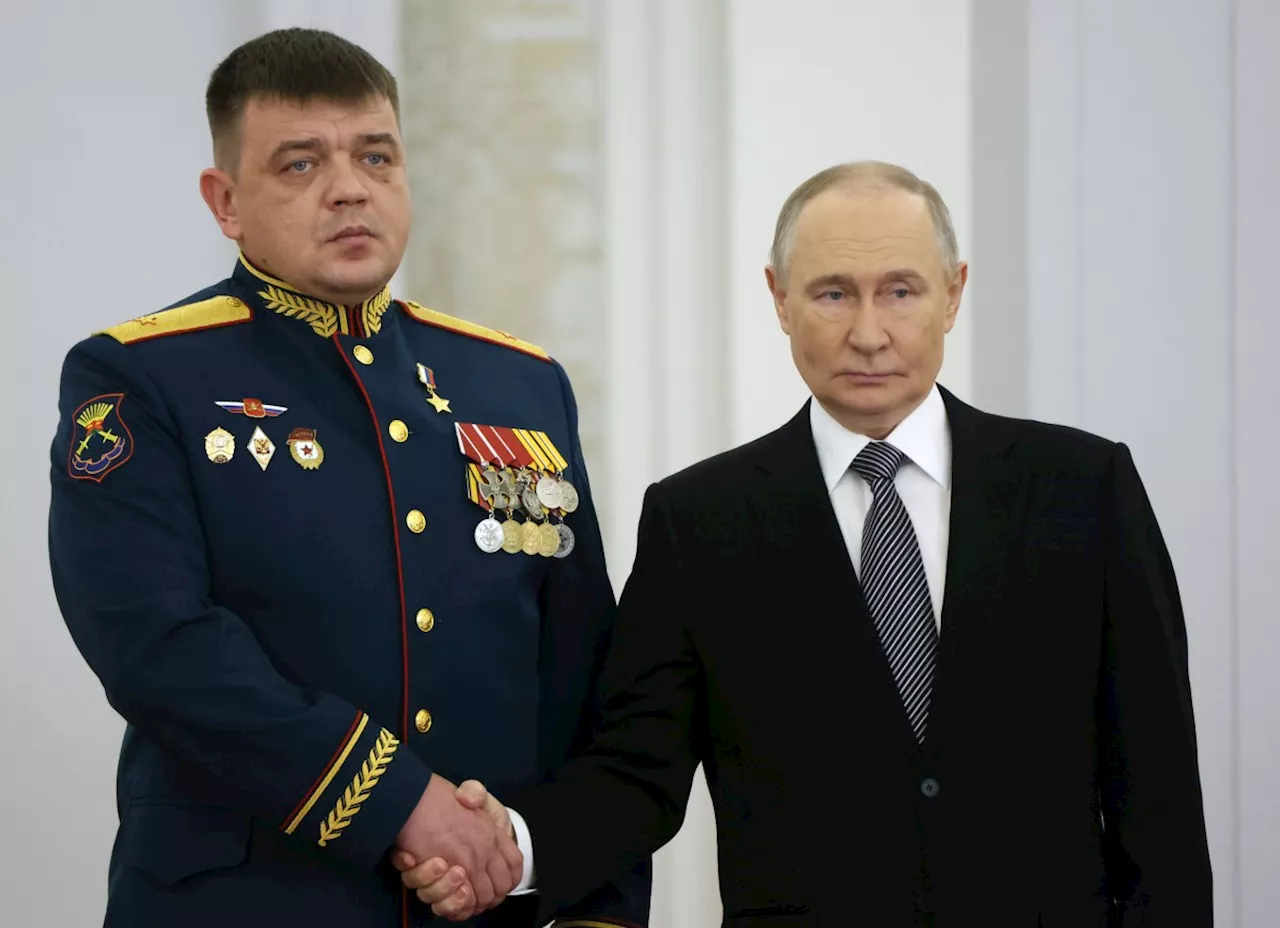
UPDATE: In a critical diplomatic development, Russian Foreign Minister Sergei Lavrov announced that President Vladimir Putin has expressed a willingness to provide security guarantees for Ukraine as part of a potential peace settlement. This revelation, made during a meeting in Moscow with two envoys from former US President Donald Trump, highlights a significant shift in negotiations amidst ongoing conflict.
Lavrov confirmed that these guarantees must also encompass Russia, proposing a legally binding treaty to formalize the arrangements. He referenced past proposals made to NATO in 2021, indicating that Russia is keen to engage in serious discussions about security frameworks that involve all parties, not just Ukraine. “The scope of guarantees cannot be limited solely to Ukraine,” Lavrov stated, emphasizing the complex nature of these negotiations.
In a parallel development, Trump advised Ukrainian President Volodymyr Zelensky to take a “realistic” approach towards the ongoing war, questioning the timing of Ukraine’s upcoming elections. During discussions with European leaders, Trump indicated a desire to understand more about the situation before committing to peace talks, underscoring the high stakes involved.
The situation is further complicated by Ukraine’s revised 20-point proposal for a settlement, developed after consultations with European allies concerned about Trump potentially pressuring Ukraine into unfavorable terms. Zelensky, facing domestic challenges including a corruption scandal, reiterated his commitment to holding elections, contingent upon adequate US and Western support for their safety.
Lavrov also dismissed the idea of deploying peacekeeping troops to Ukraine, warning that such a move would make these forces “legitimate targets” for Russian military action. This statement reflects the heightened tensions and the potential for escalated conflict in the region.
As these developments unfold, the intricate web of international diplomacy continues to shape the future of the Russia-Ukraine conflict. The willingness of Russia to negotiate security guarantees and the involvement of significant figures like Trump signal a pivotal moment in the ongoing crisis.
Observers are urged to stay tuned as negotiations progress, with the potential for major implications on the global stage. The complex interplay of political pressures, security concerns, and differing national interests will be crucial in determining the path toward a resolution. This evolving scenario underscores the urgent need for careful diplomacy and strategic engagement to achieve lasting peace in the region.