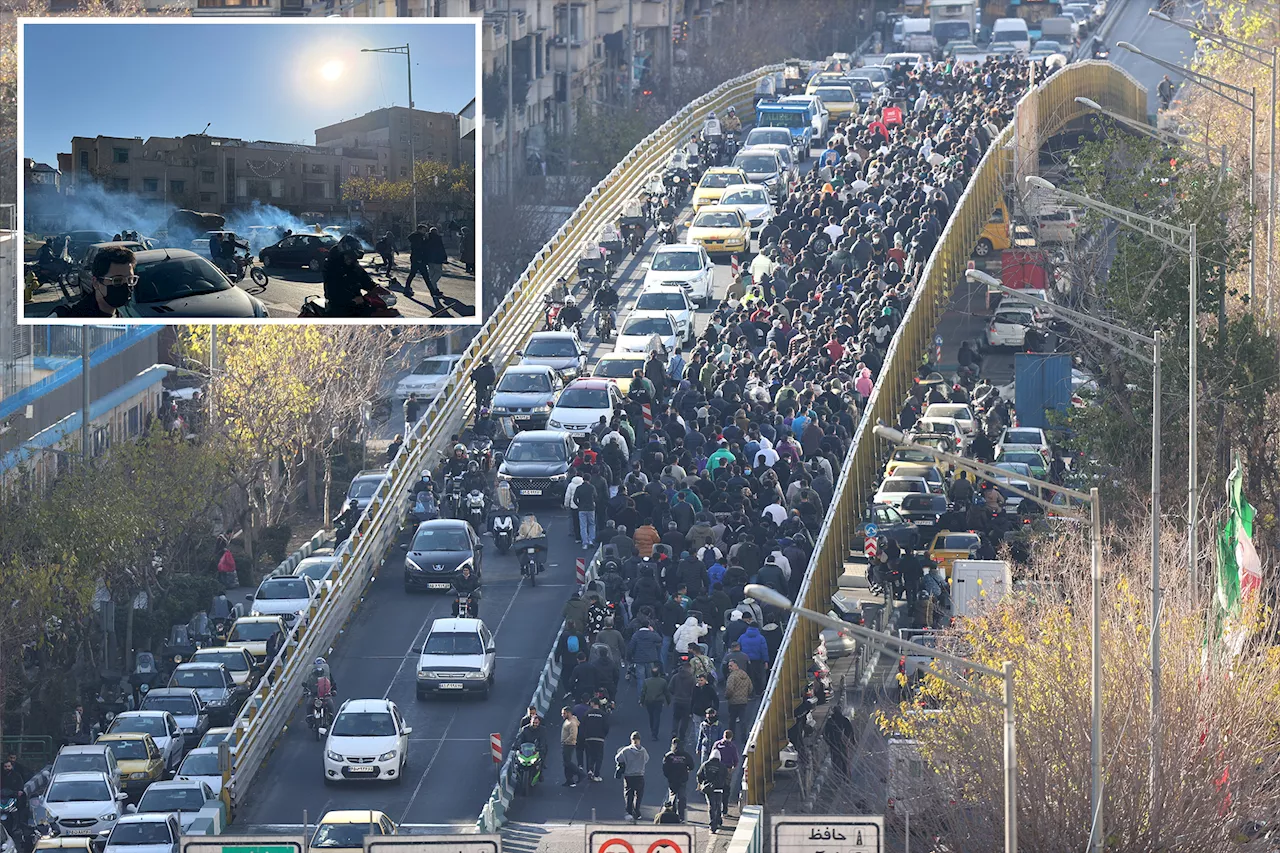
URGENT UPDATE: Protests are erupting across Iran as public outrage intensifies over the soaring cost of living, with the Iranian rial now valued at an astonishing 1.4 million rials per US dollar. Demonstrators are expressing their fury against the government’s mismanagement of the economy, which has resulted in crippling inflation and a dramatic decline in purchasing power.
The protests, which began in Tehran, have rapidly spread to rural areas, hitting cities like Karaj hard. Citizens are voicing their frustrations over skyrocketing prices, including essential goods like rice, which now costs an average of 4 million rials per kilogram (approximately $3.56 per pound). This represents a staggering 230% surge from last year, contributing to a consumer price inflation rate soaring to 48.6%.
Demonstrations intensified on Thursday, with shopkeepers and consumers alike taking to the streets, chanting against the regime. One protestor lamented, “Ali Khamenei has spent over four decades chasing war… Now we can’t even afford rice,” highlighting the dire economic situation that has sparked widespread anger.
As protests gain momentum, they have resulted in the shutdown of businesses, universities, and government offices nationwide. While initial protests in Tehran have slowed, violence has erupted in other regions, leading to three confirmed deaths during clashes with security forces. A 21-year-old volunteer officer with the Revolutionary Guard was reported killed, with authorities blaming demonstrators for the unrest.
The state-run IRNA agency reported the officer was “martyred… at the hands of rioters during protests in this city in defense of public order.” Officials are now struggling to contain the unrest, and voices within the government suggest that economic pressures are driving citizens to take action.
Saeed Pourali, a deputy governor in Iran’s Lorestan province, stated, “The protests are due to economic pressures, inflation, and currency fluctuations,” calling for citizens’ voices to be heard but cautioning against allowing their demands to be exploited by “profit-seeking individuals.”
In a notable response, Ali Khamenei acknowledged the protests but expressed limited ability to rectify the situation, admitting that the rial’s depreciation is a critical issue. He remains focused on external factors, attributing much of the unrest to foreign interference rather than addressing domestic economic mismanagement.
As the situation unfolds, the international community is closely monitoring the protests, which reflect a broader crisis of discontent among the Iranian populace. The Abdorrahman Boroumand Center for Human Rights has reported additional fatalities among protesters, raising concerns about the potential for further violence.
The Iranian government is at a crossroads, facing both domestic outrage and international scrutiny over its handling of the economic crisis. As tensions rise, all eyes will be on Iran to see how the regime responds to the escalating demands from its citizens for accountability and change.
Stay tuned for more updates as this developing story continues to unfold.