UPDATE: A surge in organized crime is triggering a dramatic political shift across Latin America, leading to the rise of right-wing governments in 2025. New reports reveal that 39 organized crime groups now operate throughout the region, reshaping security dynamics and escalating violence.
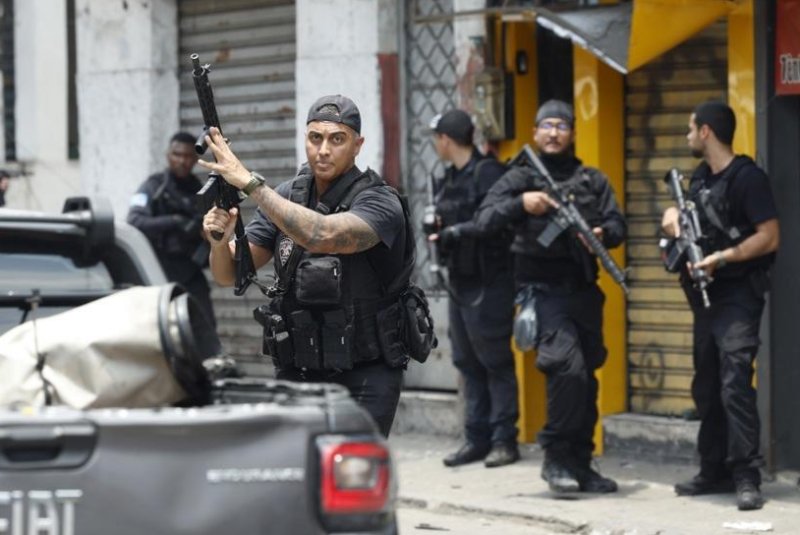
Authorities confirm that the proliferation of illicit economies and armed territorial disputes have not only fueled new migration flows but also led to an alarming increase in violence. This crisis has pushed countries like Mexico, Ecuador, Brazil, and Haiti to the forefront of global danger, ranking among the world’s ten most hazardous nations based on recent data from the Armed Conflict Location and Event Data Project (ACLED).
Organized crime specialist Hugo Contreras warns that these criminal groups have evolved from mere traffickers to diversified enterprises engaging in extortion, contract killings, smuggling, and human trafficking. “This transformation has multiplied their illicit income and territorial control,” Contreras stated.
The report highlights that the rise of these sophisticated criminal networks is exacerbated by institutional weaknesses, including dysfunctional prison systems and inadequate judicial responses. “These gangs are now international players with substantial financial resources and firepower,” Contreras added.
In Mexico, rising violence is linked to an internal conflict within the Sinaloa cartel, following the July 2024 arrest of leader Ismael “El Mayo” Zambada. In Ecuador, the homicide rate is on track to become the highest in Latin America for the third consecutive year, with gang-related violence responsible for over 3,600 deaths. In Haiti, gangs have exploited ongoing political instability to expand their reach from Port-au-Prince into other regions.
The political ramifications are profound. As violence escalates, at least 10 countries have transitioned to conservative governments emphasizing public order through harsh measures. Researcher Pablo Carvacho notes that these administrations often rely on “emergency measures” and military deployments, which may not address the underlying causes of crime. “Emergency policies alone will not stop organized crime,” Carvacho warned.
The emerging situation has forced governments to rethink traditional crime-control strategies. Comprehensive responses are now essential, combining financial intelligence, border security, and international cooperation. “Targeting financial assets and reducing the pool of vulnerable individuals is crucial,” Carvacho emphasized, highlighting that addressing societal vulnerabilities is key to mitigating this crisis.
As violence and instability continue to rise, the implications for communities across Latin America are dire. This urgent situation requires immediate attention from both local and international leaders, as the consequences of inaction could further destabilize the region.
Stay tuned for further updates as this situation develops.