UPDATE: A female mouse has given birth to a litter of healthy pups after spending 14 days in space, marking a groundbreaking moment in reproductive science. This significant event occurred after the mouse returned from China’s Shenzhou-21 mission, which launched on October 31, 2023, and returned on November 14, 2023.
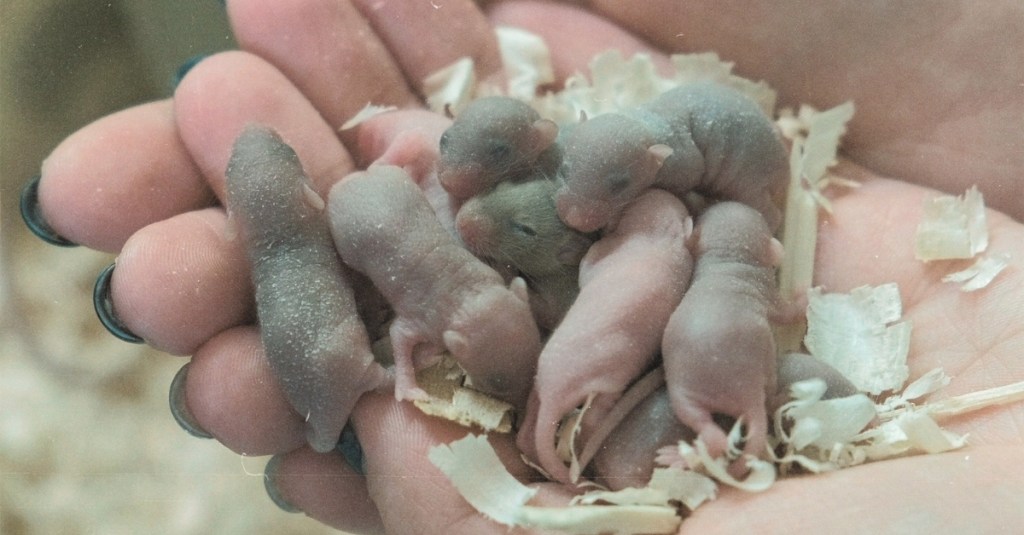
The mouse delivered nine pups on December 10, 2023, with six surviving, according to researchers from the Chinese Academy of Sciences. This successful birth is crucial for scientists investigating whether life can sustain itself beyond Earth, as it suggests that short-term spaceflight did not impair the mouse’s reproductive abilities.
During the mission, the mice lived aboard the Chinese space station, approximately 400 kilometers above Earth, experiencing the effects of microgravity and space radiation. Ground teams faced challenges, including a change in the return schedule which raised concerns about food supplies. Emergency rations were tested, and an AI system monitored the mice’s health throughout the mission.
Researchers, led by Wang Hongmei, are now closely observing the pups to track their growth and physiological changes. They aim to determine if these offspring can reproduce normally, a key factor for future long-term human space missions.
While one successful birth does not definitively prove that mammals can reproduce in space or that space radiation has no lasting effects, it eliminates one significant concern. As humanity looks toward potential years-long missions to Mars and the possibility of permanent off-world settlements, ensuring reproductive viability remains paramount.
This development underscores the importance of understanding biological processes in space. The birth of these pups may hold the key to answering critical questions about human reproduction in extraterrestrial environments, making this event more than just a novelty—it’s a pivotal moment for the future of space exploration.
Stay tuned for further updates as researchers continue to study the implications of this remarkable birth. The findings could reshape our understanding of life beyond Earth and the challenges we must overcome for future generations.