BREAKING: Two mass shootings occurring just a day apart have ignited fierce debates on gun control in both the United States and Australia. On Saturday, October 14, a gunman opened fire at Brown University in Providence, Rhode Island, killing two students and wounding nine others. Witnesses report that the shooter fired more than 40 rounds in a “safe” no-gun zone before escaping.
The situation escalated on Sunday, October 15, when a father-son terrorist duo attacked a Jewish Hanukkah ceremony at Bondi Beach, Australia, resulting in the tragic deaths of 15 people and injuring 40 others. Eyewitness accounts reveal harrowing footage of the shooters openly firing handguns and rifles without intervention from law enforcement until they arrived ten minutes later.
This brutal assault marks Australia’s first mass shooting since the enactment of the National Firearms Agreement (NFA) in 1996, a response to a massacre that claimed 35 lives in Tasmania. Despite the NFA, which banned semi-automatic rifles and introduced a mandatory buyback program that destroyed nearly 700,000 weapons, the recent tragedy underscores significant flaws in the country’s gun control measures.
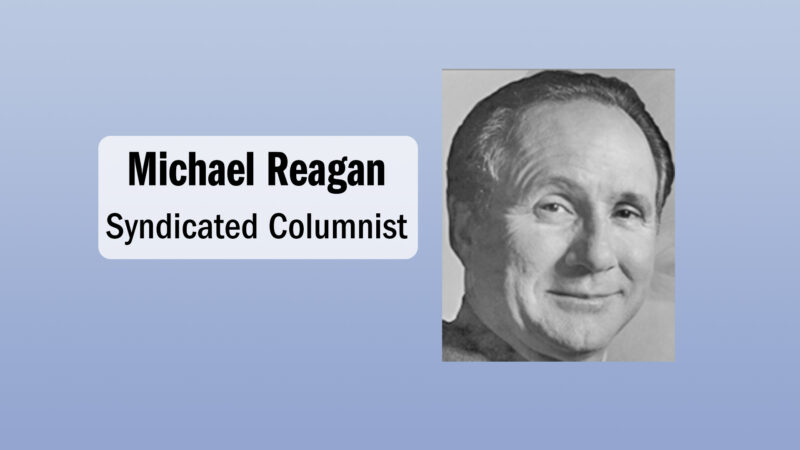
Michael Reagan, a noted commentator and son of former President Ronald Reagan, argues that the quick comparisons drawn by U.S. gun control advocates to Australia’s gun policies are misleading. “The tragedy at Bondi Beach has exposed the fact that Australia’s tough gun laws do not function effectively in the real world,” he stated. “This is something America should never want to copy.”
The attack has raised questions about the effectiveness of Australia’s gun laws, as the two shooters were reportedly licensed gun owners, with one having ties to an ISIS group. Today, there are over 4 million licensed gun owners in Australia, an increase of 800,000 since the NFA was established. Around one-third of these legal firearms are concentrated in urban areas, with some individuals owning as many as 400 guns.
While Australia’s murder rate is significantly lower than the U.S. — about 300 homicides annually compared to the 18,000 in America — the recent events highlight that gun control is not infallible. The majority of homicides in Australia are committed using knives, with gun deaths accounting for only 17% of total homicides.
As the debate heats up, officials and activists in the U.S. are once again calling for stricter gun measures, inspired by Australia’s response to gun violence. However, critics like Reagan emphasize that the sheer number of firearms in the U.S. makes similar legislation impractical. With an estimated 400 million to 500 million guns circulating, the likelihood of successful enforcement remains grim.
The urgency for a national conversation on gun control is more pressing than ever. As these events unfold, the emotional toll on families and communities affected by violence cannot be overlooked. The world watches as leaders and advocates debate the future of gun legislation in both countries.
WHAT’S NEXT: Expect ongoing analysis and discussions in both Australia and the U.S. regarding gun control policies and their effectiveness. The implications of these tragic events will likely resonate in legislative chambers and among the public for months to come.
Stay tuned for updates as this developing story unfolds.