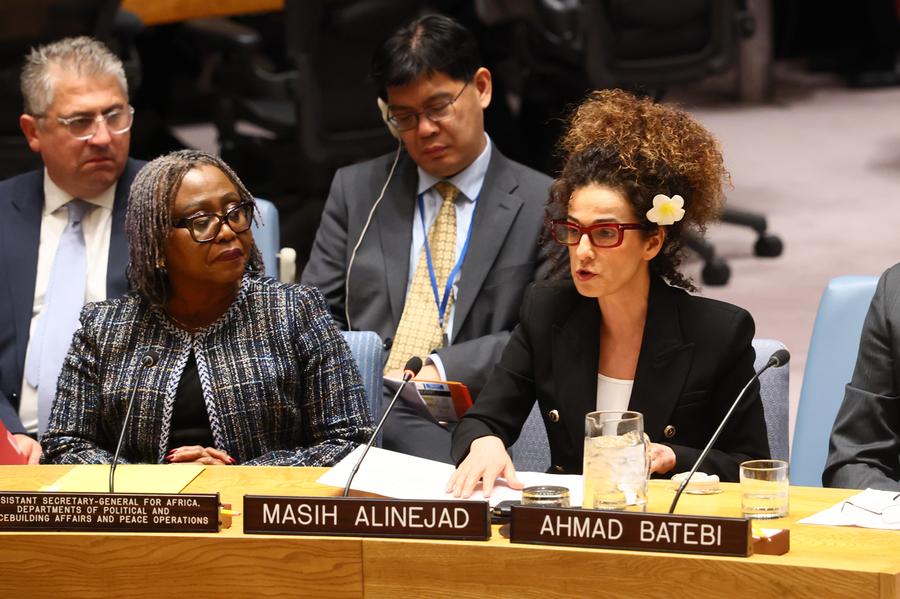
UPDATE: Iranian dissident Masih Alinejad delivered a scathing indictment of the United Nations’ silence regarding human rights abuses in Iran during her testimony at the UN Security Council on October 7, 2023. This marks a pivotal moment as the UN finally convenes to address the ongoing protests in Iran, drawing attention to its perceived complicity in ignoring the regime’s violent crackdowns.
In an emotional address, Alinejad, who has survived multiple assassination attempts by the Iranian regime, questioned Secretary-General António Guterres: “Why are you afraid of the Islamic Republic?” Her remarks come as the UN faces increasing scrutiny for its lack of action against human rights violations, particularly as Afsaneh Nadipour, an Iranian representative, was elected to the UN Human Rights Council, raising eyebrows about the organization’s commitment to justice.
Alinejad’s testimony was a stark reminder of the brutal reality faced by those who oppose the regime. “I am a woman from a small village in northern Iran. Jailed for protesting. Beaten for showing my hair,” she shared, detailing her harrowing experiences. Her emotional appeal resonated deeply, especially as she read the names of protesters killed in the unrest.
The urgency of her message comes at a time when the UN has been criticized for its historical bias against Israel while remaining largely silent on Iran’s atrocities. In recent weeks, the UN Human Rights Council condemned Israel more than twice as often as any other nation, highlighting a troubling pattern of selective outrage.
As the protests in Iran gain international attention, Alinejad’s call for accountability challenges the UN’s moral authority. “The secretary-general has not spoken publicly against the massacre,” she emphasized, urging the global community to recognize the hypocrisy embedded within the UN’s actions.
Footage captured during her address showed the Iranian delegate visibly shaken, his legs trembling under the table, suggesting that the regime is aware of its exposed vulnerabilities. This moment could signify a turning point, but it remains uncertain whether the UN will take meaningful action in response.
As the world watches, the question remains: Will the UN finally hold Iran accountable for its human rights violations, or will it continue to overlook the suffering of countless individuals in favor of political expediency? Alinejad’s heartfelt plea may serve as a catalyst for change, but the outcome is still to be determined.
As public outrage mounts, it is crucial that global leaders and media outlets amplify the voices of those suffering under oppressive regimes. The silence surrounding Iran’s protests must be broken, and Alinejad’s testimony serves as a critical reminder of the urgent need for action.
The UN’s response in the coming days will be pivotal. Will they acknowledge the atrocities and support the Iranian people, or will they remain complicit in this ongoing tragedy? As we continue to follow this developing story, the international community must remain vigilant and demand accountability.