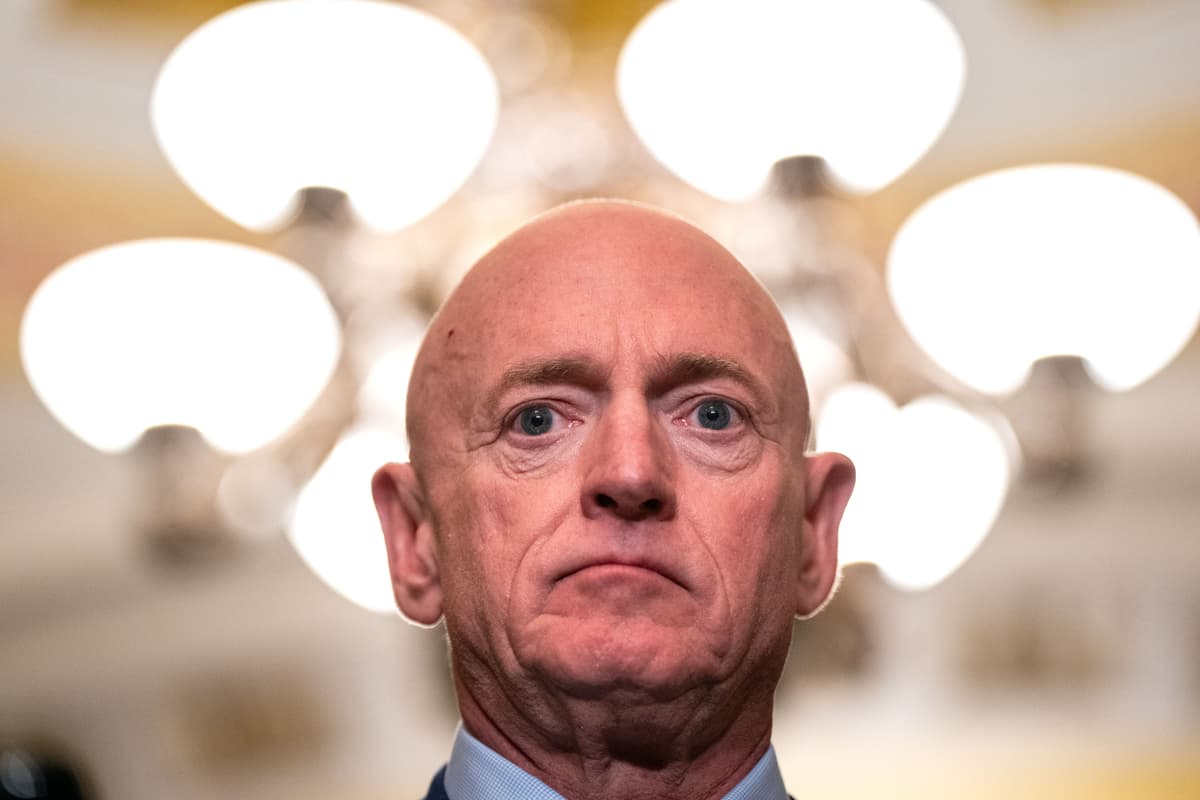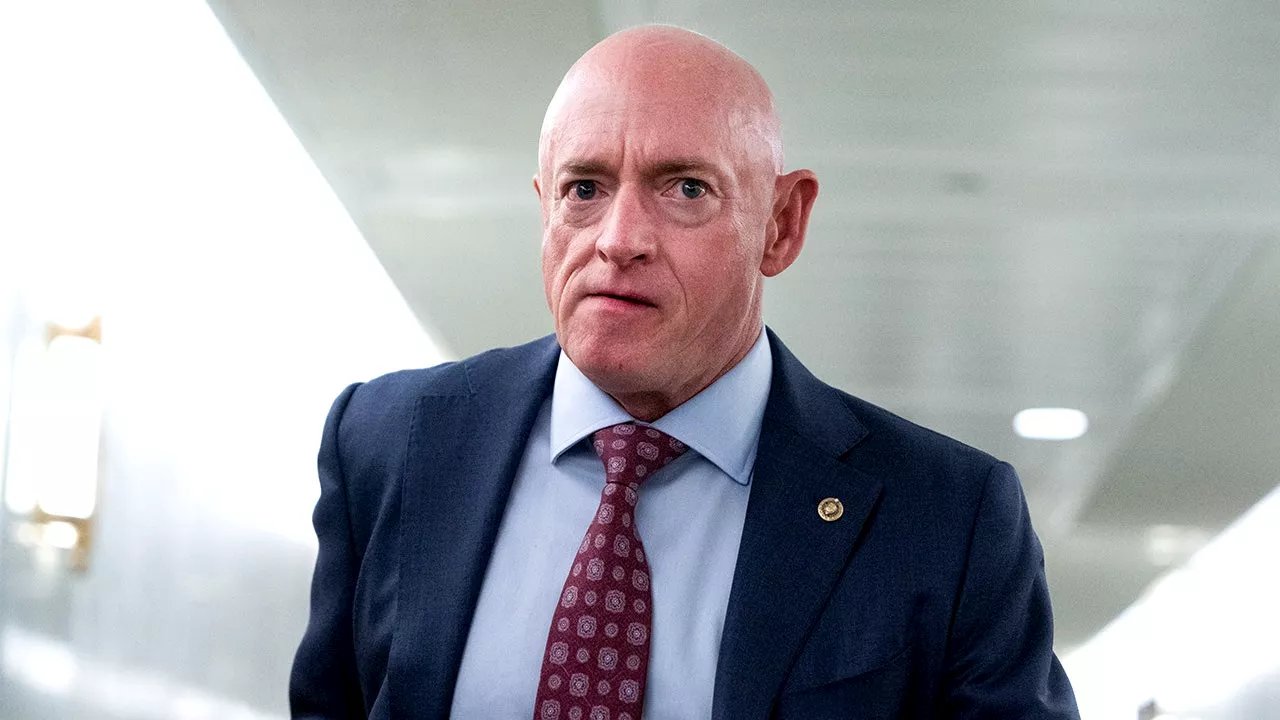
UPDATE: In a tense appearance on CNN, Senator Mark Kelly, D-Ariz., hesitated to label the recent U.S. military strikes in Venezuela as “illegal,” despite bipartisan calls for accountability following President Donald Trump‘s military operation that captured Venezuelan President Nicolás Maduro and his wife. This critical development unfolds just days after the operation, heightening political tensions.
During an interview on Tuesday, Kelly, who previously urged military personnel to reject “illegal orders” in a viral video, navigated the delicate political landscape without fully endorsing fellow Democrats’ condemnations of the strikes. “So what we were talking about in the video is about a service member being given a specific order and having to make a decision about whether this is lawful or not,” Kelly explained. This statement comes amidst escalating scrutiny of Trump’s military actions, which critics argue lack a clear post-Maduro strategy.
The military operation, conducted over the weekend, has drawn sharp rebukes from several progressive lawmakers who view the strikes as a potential violation of international law. Kelly acknowledged the complexity of the situation, stating, “Maduro is a bad guy, and it’s good that he’s gone. But it seems like this president, because he had no plan beyond removing Maduro, has now installed Maduro’s number two person in Delcy Rodriguez.” This admission raises questions about the U.S. strategy moving forward in the region.
Secretary of War Pete Hegseth responded to Kelly’s comments by announcing a formal censure letter directed at the senator, indicating that he would review Kelly’s retirement rank and pay within the next 45 days. “Six weeks ago, Senator Mark Kelly — and five other members of Congress — released a reckless and seditious video that was clearly intended to undermine good order and military discipline,” Hegseth stated, emphasizing the accountability expected from a retired Navy Captain.
The implications of the military operation are profound. As the U.S. government grapples with the aftermath of Maduro’s capture, questions loom over the future stability of Venezuela and the fate of its citizens. Critics argue that the abrupt removal of Maduro without a solid plan raises concerns about potential power vacuums and human rights abuses.
As this conflict unfolds, public sentiment is divided. Polls indicate a growing unease regarding military interventions, with many Americans questioning the legal and ethical dimensions of such actions.
WHAT’S NEXT: The political fallout from these military strikes is likely to intensify. Observers will be watching closely for further developments, including potential actions from Congress and responses from international allies. With Secretary Hegseth’s review underway, the implications for Kelly’s political future remain uncertain as he navigates this contentious issue.
The situation in Venezuela continues to evolve rapidly, with significant consequences for U.S. foreign policy and regional stability. As the world watches, the urgency for clarity and a defined strategy has never been more critical. Stay tuned for ongoing updates as this story develops.