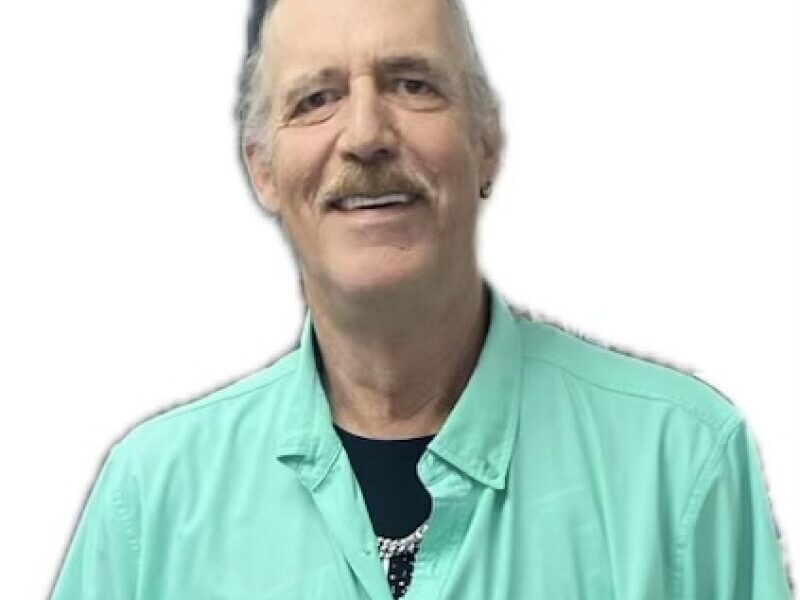
UPDATE: A shocking statement from a top Trump administration health official is igniting fierce backlash among public health experts. Kirk Milhoan, a pediatric cardiologist and newly appointed chair of the Advisory Committee on Immunization Practices, suggested that allowing the measles virus to spread could provide valuable insights into its risks, a claim that has drawn immediate condemnation from respected figures in the field.
During a recent interview on the podcast “Why Should I Trust You?”, Milhoan raised eyebrows by questioning the necessity of vaccines for measles and polio. “As you look at polio, we need to not be afraid to consider that we are in a different time now than we were then,” Milhoan stated, emphasizing changes in sanitation and disease risk. His comments come as the CDC grapples with rising measles cases, which have hit levels not seen since the early 1990s in parts of the United States.
Milhoan’s controversial perspective suggests that improvements in sanitation and reduced crowding may serve as alternatives to vaccination. “What we’re going to have is a real-world experience of when unvaccinated people get measles,” he claimed, questioning the current understanding of hospitalization and mortality rates associated with the disease.
This proposal has left many experts, including Harvard professor Joseph Allen, stunned. Allen, who directs the university’s healthy buildings program, expressed his outrage, calling Milhoan’s suggestion an “insane quote” and accusing him of wanting to conduct an experiment on children. “This is a reckless approach that disregards the proven efficacy of vaccines,” he warned.
The backdrop to this heated debate is the ongoing spread of polio in Pakistan and Afghanistan, where vaccination efforts continue to face significant challenges. As Milhoan’s comments circulate, public health advocates are urging immediate action to counter misinformation and protect vulnerable populations.
The urgency of this situation cannot be overstated. With measles outbreaks already occurring, the implications of Milhoan’s remarks raise critical questions about public health policy and the future of immunization efforts. Experts are calling on the CDC to reaffirm its commitment to vaccines as a cornerstone of disease prevention.
Moving forward, stakeholders in public health are keenly watching for the CDC’s response to this escalating controversy. The integrity of vaccination programs and the health of communities hang in the balance as discussions about the necessity of vaccines continue to unfold.
Public health officials stress the importance of maintaining robust vaccination programs to prevent outbreaks and protect public health. As this situation develops, immediate engagement and dialogue among health experts, policymakers, and the public will be crucial in addressing the challenges posed by these alarming statements.
Stay tuned for more updates as this story evolves and as health authorities respond to the implications of Milhoan’s controversial remarks.