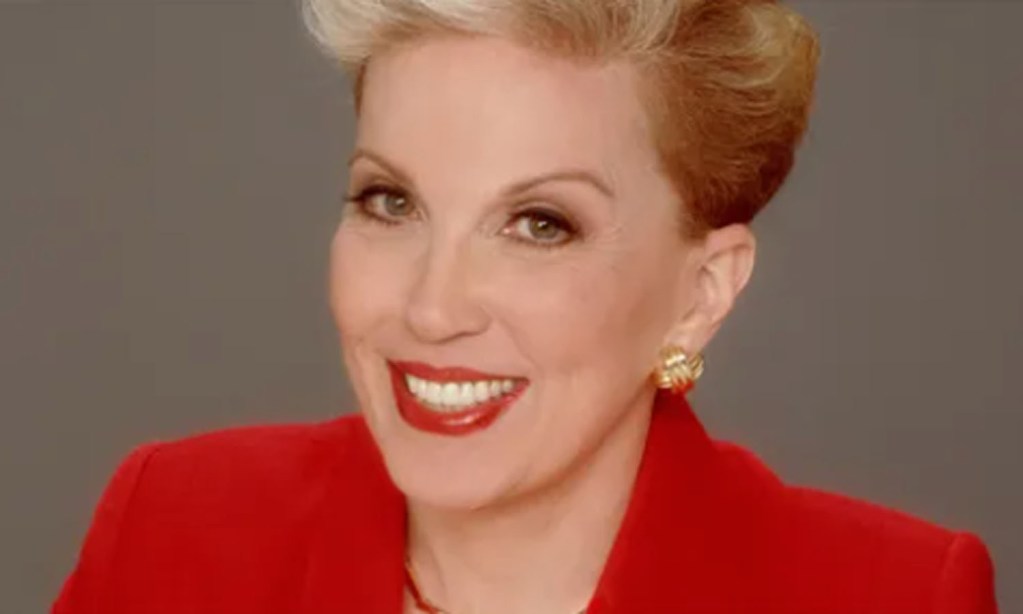
URGENT UPDATE: A new wave of millennials is expressing deep concern over the decision to live child-free, questioning who will care for them in old age. This pressing issue was highlighted in a recent letter to Dear Abby, where a woman in her early 30s voiced her worries about aging without children.
The letter, which has sparked widespread discussion, reveals that many young adults feel that bringing a child into the world is irresponsible given current societal challenges such as rising costs and climate change. The writer, identified as Worried Millennial, fears a future devoid of support during her later years.
Dear Abby, also known as Abigail Van Buren, responded swiftly, emphasizing that having children is no guarantee of care in old age. She urged readers to invest in their futures by consulting financial planners and legal advisors to establish support systems, rather than relying solely on familial ties.
In a separate yet equally pressing letter, an Exasperated Mom in Texas described a turbulent household dynamic with her 20-year-old son, who has moved his girlfriend and a dog into their home without permission. The son struggles with anxiety and depression, self-medicating with marijuana, which is illegal for non-prescribed use in Texas. The mother expressed frustration over his lack of responsibility and the escalating tensions at home.
Abby advised the mother to set clear boundaries. She suggested that the son should take responsibility for his life and finances, including moving out if necessary. The advice underscores the importance of accountability and the difficult conversations many families must face today.
These letters highlight the urgent emotional and societal issues impacting young adults and their families. As more individuals choose to remain child-free, the question of aging support becomes increasingly relevant.
Furthermore, the conversation around mental health and the responsibilities of young adults living at home is gaining traction. Abby’s responses resonate with many readers navigating similar struggles, making these insights crucial for anyone grappling with these modern dilemmas.
What’s Next? The ongoing dialogue surrounding child-rearing choices and family dynamics will likely continue to evolve. Readers are encouraged to reflect on their own situations and consider proactive measures for their futures. As conversations about mental health and familial responsibilities grow, solutions and frameworks will emerge to address the concerns of both younger and older generations.
Stay tuned for more updates on these pressing societal issues as they unfold.