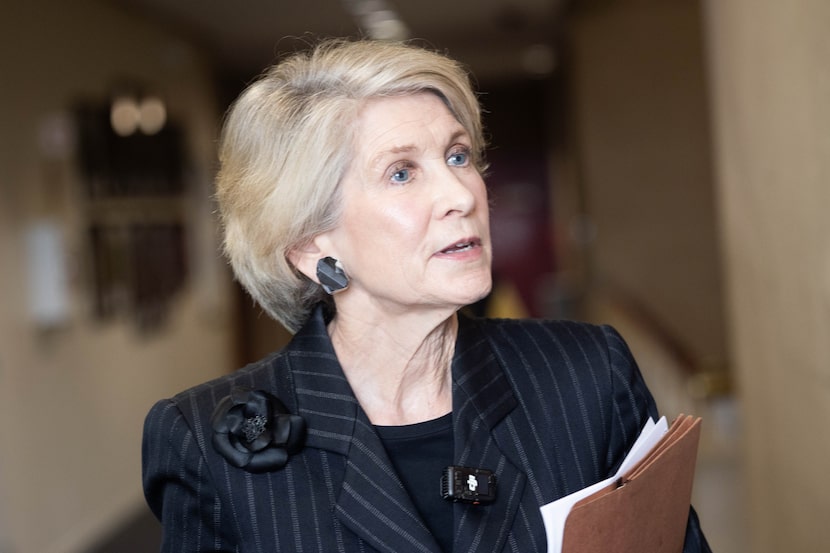
Former Mayor Laura Miller has called for greater involvement from the private sector in addressing homelessness in Dallas. Speaking at a recent housing and homelessness committee meeting, Miller emphasized that the city can benefit from the resources and expertise available within local businesses and community organizations. She underlined that many individuals experiencing homelessness often do so in hidden circumstances, such as living in motels or cars, and that solutions must extend beyond traditional governmental and non-profit approaches.
Miller pointed out that numerous faith-based organizations, community groups, and private companies in Dallas could contribute to solving this issue. “For a very long time, we’ve always relied on NGOs and the city of Dallas and taxpayer money to deal with these problems,” she stated in an interview with The Dallas Morning News. “The private sector really hasn’t been engaged.”
At the meeting, Miller shared insights from a program she helped develop in 2018 through her synagogue, Congregation Shearith Israel. The initiative, known as the Ladder Project, aims to provide mentorship, financial resources, and health support to individuals experiencing homelessness. With a team of nine volunteers, primarily in their 60s and 70s, the project operates on the premise that if congregants can collectively help just one person, significant progress can be made in addressing homelessness.
“If 1,000 congregant members can’t take one person off the streets of Dallas and stay with them until they’re self-sufficient, then we can’t solve homelessness in America,” Miller stated passionately. The program has demonstrated measurable success, with volunteers assisting over 50 individuals in becoming self-sufficient, an achievement that Miller notes has an 80% success rate in sustaining independence.
Recent developments indicate that the City Council allocated $10 million in December to Housing Forward, the region’s lead agency, to support rental assistance and housing initiatives. This funding complements existing efforts, including the street-to-home program, which successfully housed 250 unsheltered residents in downtown Dallas last year. A recent count recorded 3,541 individuals experiencing homelessness, a decrease from previous years, with the latest figures expected to be released soon.
Miller believes that more tools and collaborative efforts can help transform lives. She noted that the 2020 census identified approximately 3,000 faith-based groups in the region, suggesting that if each group took responsibility for one individual, it could significantly impact the homelessness crisis.
The Ladder Project’s approach involves comprehensive background checks and assessments, including a focus on willingness to work and substance abuse history. Volunteers prioritize securing employment for individuals before assisting them in finding stable housing. The project collaborates with organizations such as UT Southwestern Medical Center, Presbyterian Hospital, and Legacy Senior Communities to provide job support and other essential services.
Financially, the project has invested $192,000 since its launch, averaging $3,900 per person. This funding covers upfront housing costs and utilizes donated furniture and pro bono medical and dental services, fostering stability for those reintegrating into society.
Miller’s advocacy for increased private sector involvement in homelessness solutions reflects a growing recognition that a multi-faceted approach is essential for long-term success. By harnessing community resources, she believes that Dallas can make significant strides in addressing the complex issues surrounding homelessness.