UPDATE: Florida’s elected officials are mobilizing against President Donald Trump’s controversial plan to expand offshore oil drilling along the nation’s coastlines, including the crucial eastern Gulf of Mexico. Just last month, officials from both parties voiced their strong opposition to this potentially devastating initiative, highlighting the urgent need to protect Florida’s economy and environment.
“We cannot allow this to happen. It affects tourism and, more importantly, it’s just bad for the environment,” said Rep. Vern Buchanan (R-Fla.), echoing the sentiments of many concerned Floridians. Fellow Republican Sen. Ashley Moody labeled the drilling proposal as “HIGHLY concerning,” emphasizing its risks to the state’s vibrant tourism industry and ecological health.
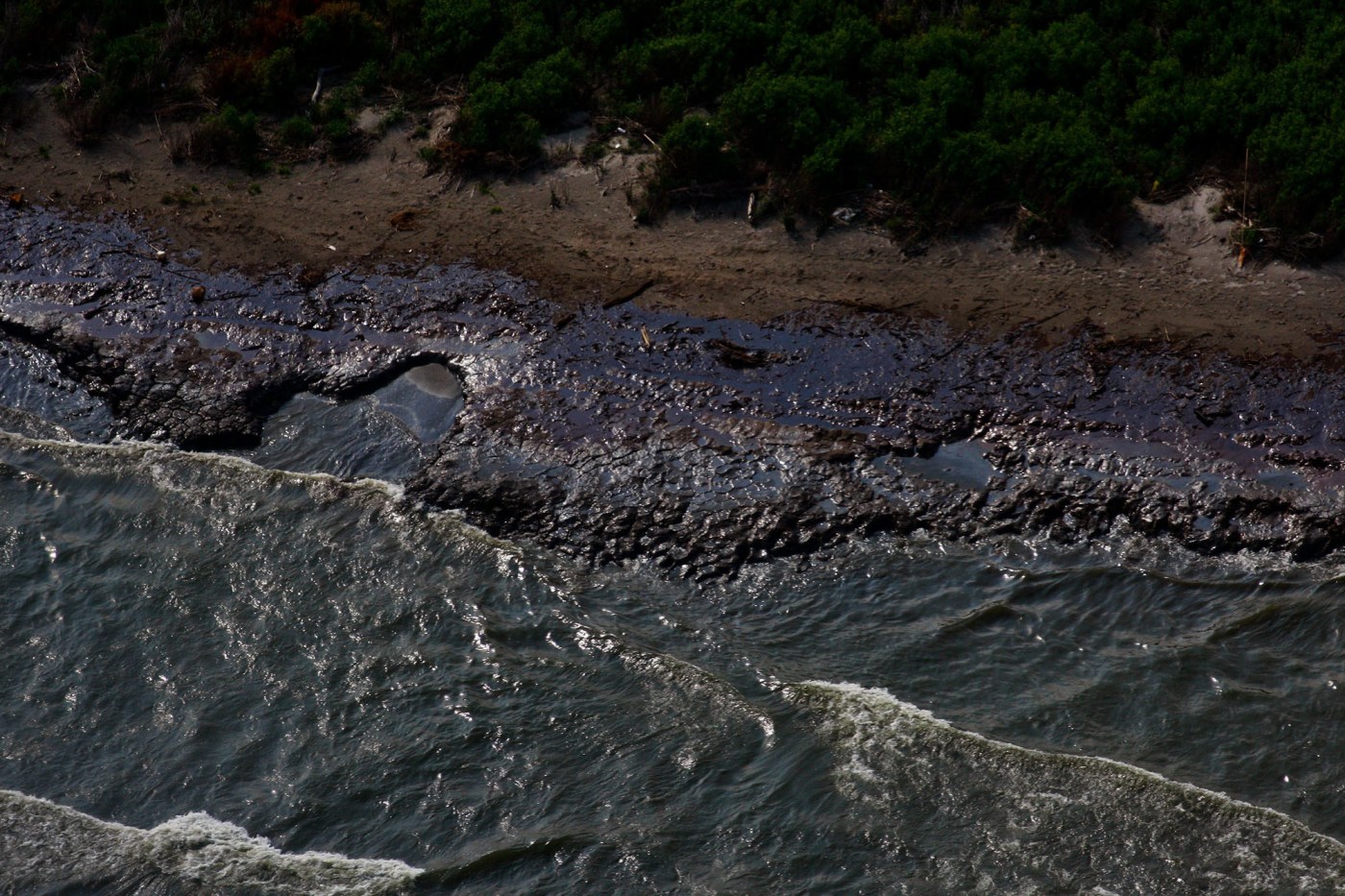
The Gulf of Mexico, already dotted with thousands of oil rigs, has never had production wells close to Florida’s pristine coastline. Yet, with Trump’s plan threatening to change that, the stakes couldn’t be higher. The fear of oil spills contaminating beaches and estuaries poses an existential threat to Florida’s way of life.
Elise Bennett, Florida and Caribbean director at the Center for Biological Diversity, stressed the importance of standing firm against drilling in the eastern Gulf. “Healthy coastlines are our ecological and economic engines,” she stated. “This isn’t just about Florida; it’s about our Gulf Coast neighbors and fellow Americans in Alaska and California.”
The devastating impacts of previous drilling disasters are still fresh in memory. The 2010 BP Deepwater Horizon spill, which occurred over a hundred miles from Florida, resulted in over $3 billion in damages to the state, forcing many beaches to close and driving tourists away.
Florida’s vulnerability to climate change further complicates the situation. With extreme heatwaves and marine heatwaves wreaking havoc on ocean life, the recent declaration of two coral species—elkhorn and staghorn—as “functionally extinct” in the Florida Keys highlights a dire ecological crisis. These reefs are not only vital for marine biodiversity but also serve as crucial barriers against flooding and storm damage, safeguarding coastal communities.
Although this hurricane season has been relatively mild, Floridians remain aware of the unpredictability of future storms. The destructive legacy of hurricanes Helene and Milton from last year still looms large, pushing Florida to prepare for potentially devastating weather patterns intensified by climate change.
With sunny-day flooding worsening in Miami, the need for adaptive measures grows more urgent. Bennett argues that the solution to these challenges lies in halting fossil fuel production and investing in renewable energy sources.
While Florida lawmakers are right to oppose drilling off their coast, Bennett insists they must adopt a broader perspective. “It’s naive to think that just drawing a boundary around our state will keep us safe,” she warns. “Our leaders need to advocate against expanded offshore drilling everywhere.”
As the situation develops, all eyes are on Florida’s senators and representatives to take a stand not only for their state but for a sustainable future across the nation. The urgency is clear: the fight against offshore drilling is more than just a local issue; it encompasses the well-being of entire communities and ecosystems.
WHAT’S NEXT: As more details emerge regarding Trump’s drilling plan, concerned citizens and environmental advocates are urged to voice their opinions and demand action from their representatives. The time to act is NOW.
Stay tuned for further updates on this developing story and how it may impact Florida’s coastal communities and environment.