URGENT UPDATE: A family in Fort Collins, Colorado, is racing against time to raise $4 million for groundbreaking gene therapy that could transform the life of their disabled daughter, Everly Green. The eight-year-old has a rare mutation in the FRRS1L gene, leaving her trapped in a body unable to move, with communication limited to eye movements.
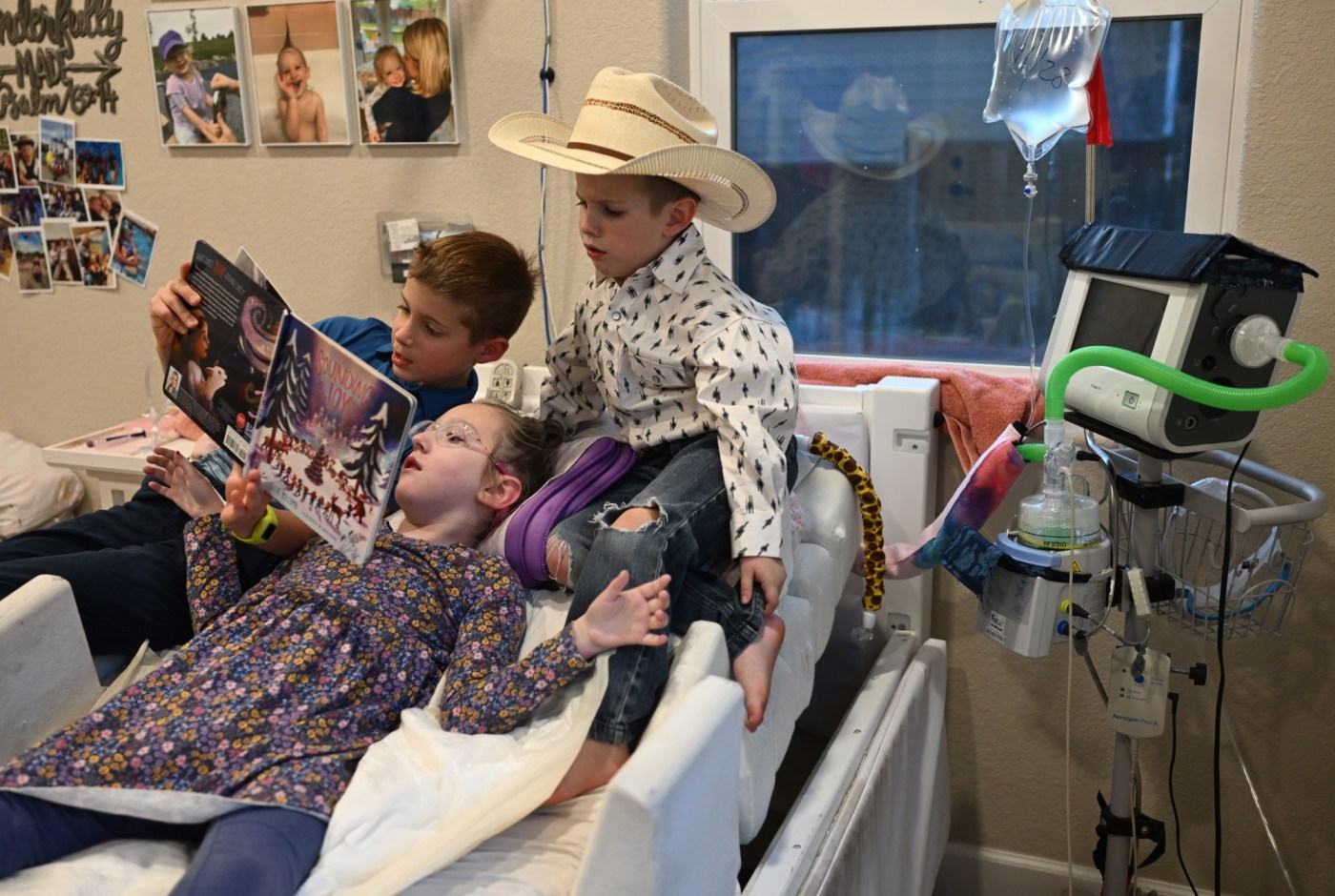
This heart-wrenching situation escalated when Everly, who was developing typically until the age of two, began to experience debilitating seizures. Her condition quickly deteriorated, requiring a feeding tube and leaving her with minimal mobility. Everly’s mother, Chrissy Green, describes her daughter’s struggles: “These kids are in there, they want to play like other kids; they just can’t move,” she said.
The family, along with the Finding Hope for FRRS1L foundation, is determined to push forward with a treatment that could restore movement abilities. The foundation’s efforts are critical given that fewer than three dozen children worldwide are diagnosed with this mutation, leading to minimal interest from large pharmaceutical companies. As a result, families are left to fund research efforts themselves.
Currently, Everly enjoys school and has developed close friendships, yet she yearns for the ability to engage in activities most children take for granted, such as holding toys or going on family outings. “She wants to do things she can’t,” Chrissy Green emphasized.
The foundation has previously collaborated with researchers at the University of Texas Southwestern Medical Center. Initial studies on mice with the same mutation showed promising results, with treated mice regaining near-normal movement. “We saw major recovery in the animals, so we’re really hopeful for our kids,” Chrissy said.
However, the path ahead is fraught with challenges. The family must secure funds for the next phase of drug development, including testing for side effects and finding a manufacturer to produce the therapy. If successful, clinical trials could begin as early as September.
While gene therapy has shown tremendous potential in treating various conditions, risks remain. Patients have faced serious complications, including liver issues. Despite this, the hope for Everly and other children with the FRRS1L mutation persists, as parents rally for support to navigate the complex regulatory landscape of the U.S. Food and Drug Administration.
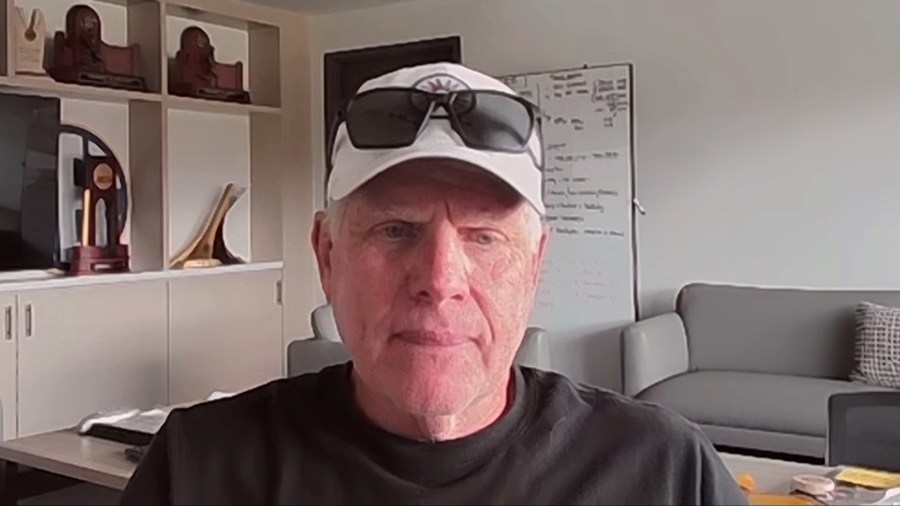
As they strive to raise the necessary funds, the family faces not only the challenge of securing the $4 million but also the daunting task of convincing insurance companies to cover the costs of a treatment designed for a small patient population. “They need specific expertise, which is not easy to find, and they need massive amounts of money,” stated Neil Hackett, a researcher who has advised the foundation.
The collective efforts of families like Chrissy and Everly’s highlight a critical issue in rare diseases, where financial and logistical barriers often stifle hope for innovative treatments. “All the diseases can kind of help each other move forward,” Chrissy Green noted, optimistic that their fight will not only benefit Everly but also pave the way for future therapies.
In this urgent race against time, every dollar counts. The Green family and their supporters are calling for donations to help change the future for Everly and other children similarly affected. The world is watching as they embark on this crucial journey toward potential healing and hope.