UPDATE: Egypt is fundamentally revising its peace agreement with Israel in response to the ongoing Gaza conflict. This urgent development comes amidst escalating tensions along the Egypt-Gaza border, where recent military actions are reshaping diplomatic relations.
Cairo is actively pursuing a de facto revised peace agreement as a direct reaction to what officials describe as Israel’s military “occupation” of the Philadelphi Corridor, a significant buffer zone along Egypt’s border. These actions, following the outbreak of hostilities on October 7, 2023, are viewed as a breach of the foundational 1979 Camp David Accords that established mutual recognition and security arrangements between the two nations.
The stakes are high as Egypt perceives the Israeli military presence in the corridor as a serious violation of sovereignty. This situation threatens the very framework of the peace treaty, which includes critical components on borders, security, diplomacy, and trade. Authorities in Cairo are alarmed, contending that Israel’s actions since the conflict began have irreparably damaged the treaty’s core tenets.
Cairo is determined to maintain its military posture in Sinai, viewing it as essential to deter any potential Israeli efforts to displace Gazans into Egyptian territory. Egyptian officials have labeled such an action as a “declaration of war.” As a result, Egypt is insisting that Israel acknowledges this new security reality, which has emerged due to its own unilateral military strategies.
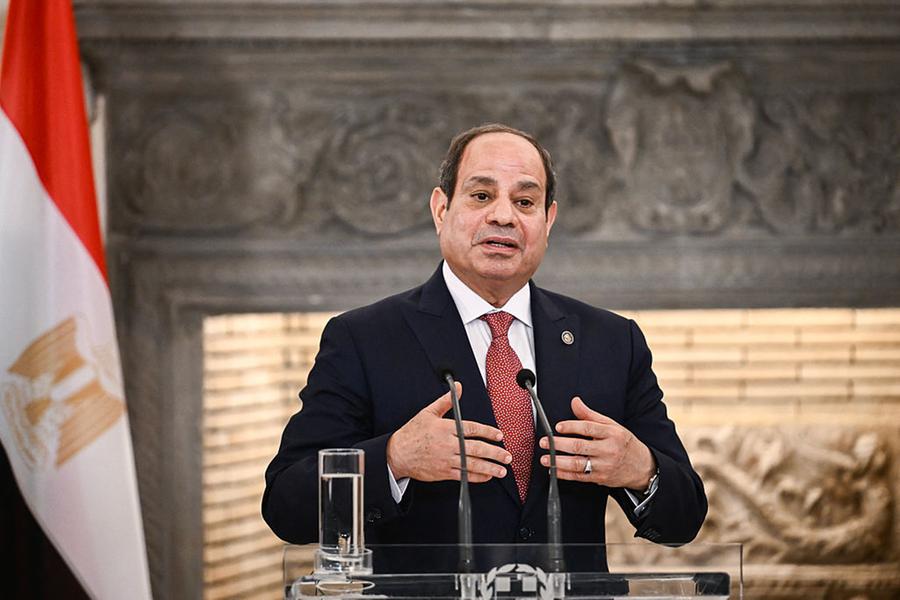
In a significant shift, Egypt’s diplomatic stance has hardened. President Sisi has withheld approval for Israel’s designated ambassador to Cairo, Ori Rotman, and has kept Egypt’s own ambassadorship in Tel Aviv vacant. This diplomatic chill underscores Cairo’s demand for a complete Israeli withdrawal from Gaza and a credible commitment to Palestinian self-determination before any summit-level dialogues can resume.
Despite these tensions, security coordination between Egypt and Israel continues, albeit under strained circumstances. The urgency of preventing miscalculations that could lead to an unintended war has prompted both nations to keep communication channels open.
On the economic front, Egypt is emphasizing that commercial agreements, such as the landmark $35 billion gas deal, must remain insulated from political negotiations. Cairo insists that these deals are strictly commercial, rejecting Israeli efforts to link approval to reductions in Egyptian military presence.
Moreover, Egypt’s current diplomatic doctrine mandates that engagement occurs only on its terms. President Sisi’s refusal to visit the White House while hosting important regional summits indicates a strategic maneuver to assert Egypt’s influence. This has made Cairo a pivotal player in shaping the discourse regarding Gaza and broader Middle Eastern dynamics.
As Egypt recalibrates its approach to the Camp David Accords, it is also leveraging its strategic position to amplify its demands in Gaza, making them a central concern for international stakeholders, particularly the United States. The outcome of this situation could redefine the balance of power in the region, with Egypt’s actions signaling a significant shift in Arab-Israeli relations.
The aftermath of the ongoing conflict indicates that the pre-October 7 status quo is now obsolete, and Egypt is poised to reshape its future interactions with Israel. As tensions heighten, the implications of these developments will be closely monitored both regionally and globally.
This evolving geopolitical landscape demands immediate attention as officials navigate the complexities of peace, security, and diplomacy in a fragile environment. Stay tuned for more updates as this story develops.