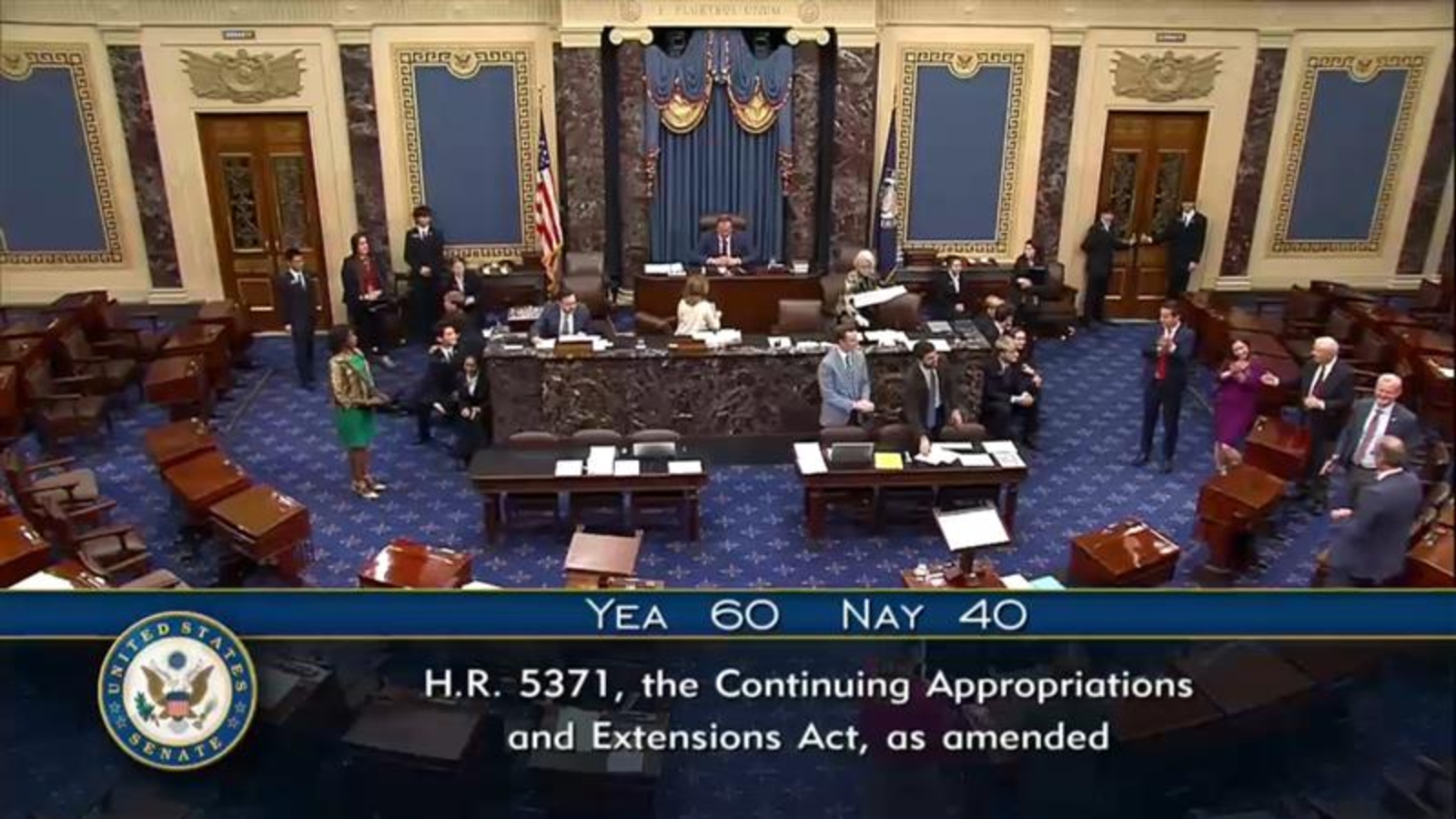
URGENT UPDATE: Key members of Congress are escalating the debate over war powers following President Donald Trump’s controversial military strike on Iran without congressional approval. Lawmakers are pushing for an immediate vote on a war powers resolution aimed at limiting the president’s military actions, warning that this unapproved campaign could spiral the United States into a deeper conflict in the Middle East.
The demand for a swift vote comes after Trump ordered the attack on Saturday, a move that has drawn sharp criticism from both sides of the aisle. Members from the House of Representatives and the Senate, where Trump’s Republican Party holds a slim majority, had already prepared resolutions before the strikes, now ready to act in what is expected to be a rare and intense war powers debate next week.
This urgent discussion reflects growing concerns about the implications of unilateral military action. Lawmakers assert that Trump’s decision undermines Congress’s constitutional authority to declare war, raising fears of an escalation that could involve more American troops in a volatile region.
As the debate unfolds, the stakes could not be higher. The potential for increased military engagement in Iran raises significant questions about U.S. foreign policy and its long-term impact on American lives, both military and civilian.
What’s Next? Congress is expected to convene for a vote as early as next week, making this a pivotal moment for U.S. military involvement abroad. Observers are urging citizens to stay informed as the situation develops, highlighting the urgency of ensuring that any military action is backed by the legislative branch.
The outcome of this vote could serve as a critical referendum on Trump’s foreign policy approach and the extent of executive power in military engagements. As developments unfold, the nation watches closely, understanding that the implications of these decisions will reverberate far beyond Washington.
Stay tuned for updates as this story continues to evolve.