UPDATE: Recent polling reveals that Americans are sharply divided on the prospect of U.S. military intervention in Venezuela, particularly regarding the capture of President Nicolás Maduro. The survey, conducted by The Washington Post and SSRS, shows that public sentiment is teetering, with many still forming their opinions as the situation escalates.
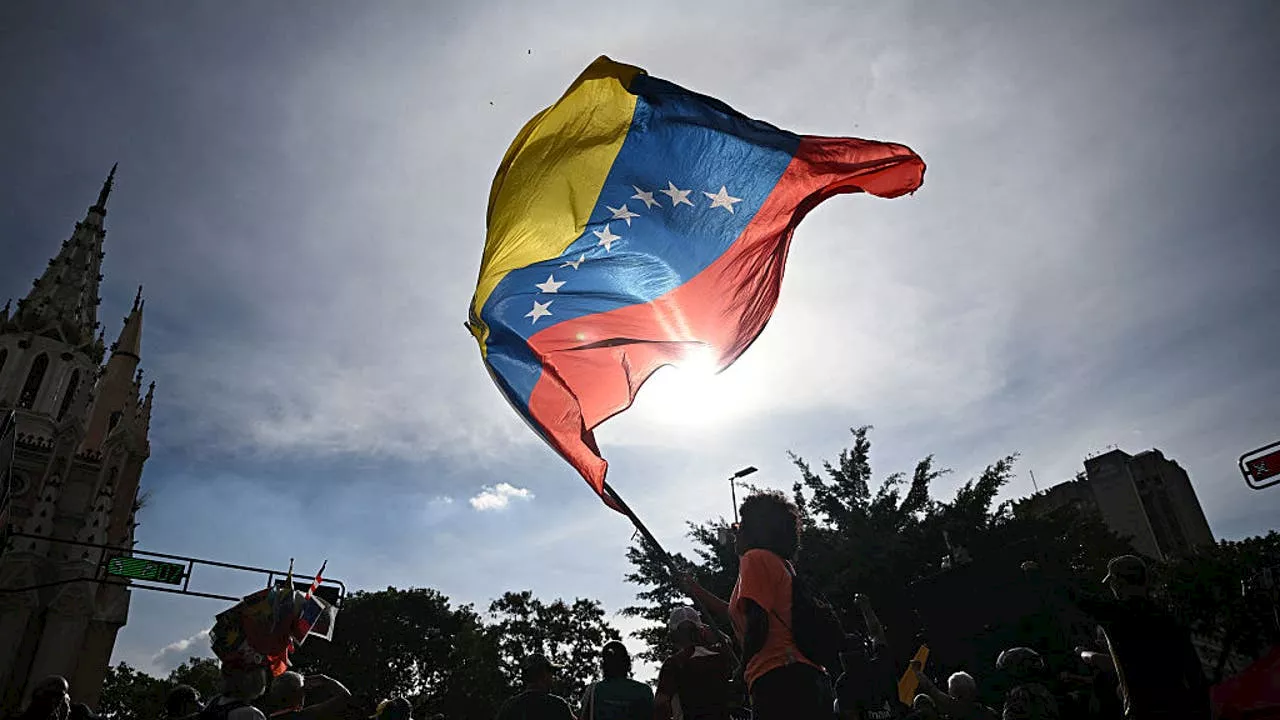
As tensions rise, 45% of respondents approve of U.S. military action to capture Maduro, while an equal percentage oppose it. Alarmingly, 90% of Americans believe that the Venezuelan people should decide their future leadership, emphasizing a strong preference for self-determination amidst fears of U.S. overreach.
The urgency of this issue cannot be overstated. A Quinnipiac poll from December 2023 indicated that approximately 60% of registered voters are against military action in Venezuela. Republicans are split, with about half supporting intervention and a significant number expressing concerns over U.S. involvement abroad.
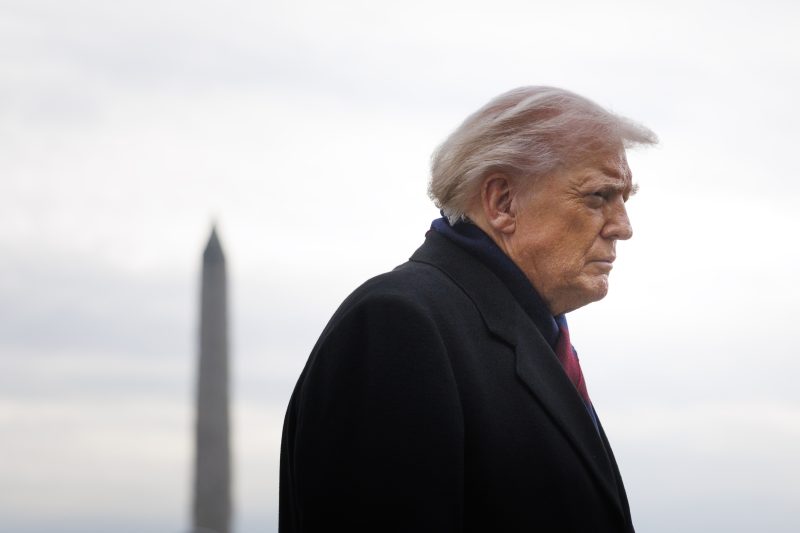
Political figures, including former President Donald Trump, have made broad claims about U.S. plans for Venezuela post-Maduro, yet details remain scarce. Trump’s vague assertions that the U.S. will “run” Venezuela have been met with skepticism, raising significant questions among lawmakers regarding planning and execution.
Local sentiments reflect a national split, with Republican leaders praising military action while Democrats voice concerns over legality and sovereignty. For instance, Senator Chuck Schumer condemned the capture, calling it unlawful and questioning the administration’s strategy for managing Venezuela’s recovery.
In a dramatic courtroom appearance, Maduro declared, “I am innocent. I am not guilty,” as he faced federal drug trafficking charges in New York City. The indictment claims that Maduro and his associates facilitated the shipment of thousands of tons of cocaine into the U.S. and are implicated in severe human rights abuses, including kidnappings and murders.
With the U.S. military now involved, the implications are profound. Current U.S. officials, speaking under anonymity, indicate little preparation exists for either military occupation or establishing an interim civilian authority in Venezuela, which has historically been a priority for U.S. administrations considering military intervention.
As the situation develops, the American public remains engaged and divided, underscoring the urgent need for clarity from the administration on its plans. What happens next in Venezuela could alter the landscape of U.S. foreign policy in the region.
Stay tuned for further updates as this story unfolds.