UPDATE: In a surprising shift, Afrikaners are emerging as new VIPs at the U.S. Embassy in South Africa. This development follows a series of meetings in Washington, D.C., where prominent Afrikaner leaders, including Theo de Jager, received unprecedented attention from U.S. officials.
Earlier this year, de Jager and two other Afrikaner representatives met with staff from Vice President JD Vance‘s office, signaling a dramatic change in diplomatic engagement. Previously marginalized, Afrikaners now find themselves at the center of U.S. foreign policy discussions, particularly as the Trump administration has taken a keen interest in their concerns over alleged persecution.
Since President Donald Trump took office, he has implemented significant policy changes, including a halt to U.S. aid to South Africa and a 30% tariff on South African imports. Trump cited the treatment of Afrikaners as justification for these measures, claiming they are victims of a form of genocide—an assertion widely disputed.
The U.S. Embassy is now actively engaging with Afrikaners, who are invited to social events and policy discussions, enabling them to influence decisions affecting South African relations. The Embassy has even started sharing social media content in Afrikaans, creating a more inclusive diplomatic atmosphere. De Jager stated, “The extent of our access and engagement has increased tremendously in the past 10 months.”
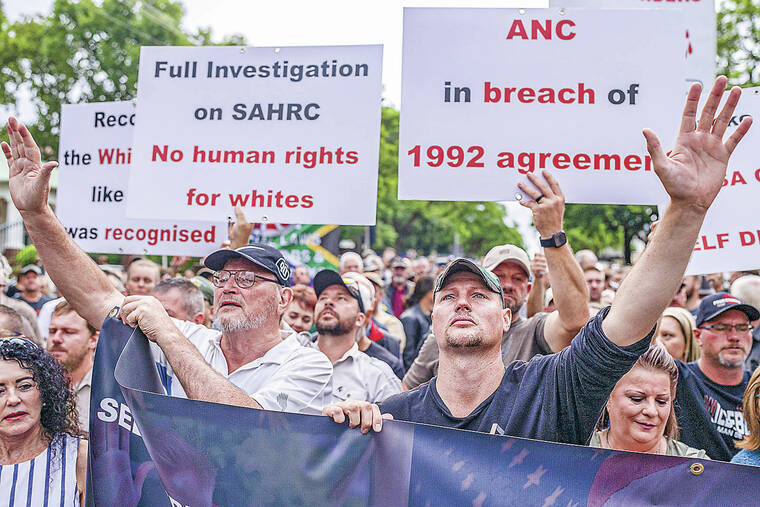
Officials from the Solidarity Movement, an Afrikaner rights group, report weekly conversations with U.S. government officials, showcasing a level of access previously unseen. Jaco Kleynhans from the Solidarity Movement noted that these discussions cover critical topics such as farm killings and trade tariffs.
“It’s astonishing to see how much attention Afrikaners are receiving now compared to previous administrations,” said Patrick Gaspard, former U.S. ambassador to South Africa.
As tensions rise at home, some South African lawmakers are demanding investigations into Afrikaner organizations, accusing them of treason for allegedly spreading damaging misinformation about U.S.-South Africa relations. As Kallie Kriel, CEO of AfriForum, pointed out, the Trump administration’s support for Afrikaners contrasts sharply with the South African government’s ties to nations like Iran.
Despite previous administrations engaging with Afrikaners at social events, the current level of U.S. interest is unprecedented. De Jager remarked on how U.S. officials are now recognizing his name, a stark contrast to prior years when Afrikaner groups were often overlooked.
At a recent U.S. Independence Day celebration in Pretoria, the attendance of Afrikaners was notably higher, featuring traditional American treats and an atmosphere of solidarity. “Here’s an administration that reaches out and says, ‘We hear you,’” said Gerhard Papenfus, an Afrikaner business leader who has recently met with White House officials.
As this situation evolves, observers will be watching closely to see how the Trump administration continues to navigate its relationship with South Africa and its growing engagement with Afrikaners. The implications for U.S. foreign policy and South African domestic politics are profound, with potential repercussions for both nations.
In summary, the surge in Afrikaner influence within the U.S. Embassy marks a significant shift in diplomatic dynamics, reflecting broader geopolitical strategies and raising questions about the future of U.S.-South Africa relations.