The Milan Cortina Olympics have showcased remarkable athletic achievements, highlighted by Von Allmen‘s exceptional performance in the Alpine skiing super-G event. This victory marks his third win at the Games, placing him in an elite category as only the third man to achieve this at a single Winter Olympics since 1968. The event took place in Bormio, where Von Allmen’s triumph was momentarily delayed due to a re-skate by another competitor, but it ultimately solidified his historic accomplishment.
Despite the pressures of Olympic competition, Von Allmen expressed a focus on the present, acknowledging that the significance of his wins may resonate more deeply in the future. His latest victory sets a new Olympic record for the athlete from Wisconsin. The day also featured notable performances from other athletes, including the Netherlands’ Joep Wennermars, who fell short in his event, leading to a delayed victory lap for Von Allmen.
In addition to Alpine skiing, the Games have seen a resurgence from Juraj Slafkovsky, the Slovakian forward. After gaining recognition as the tournament MVP at the 2022 Olympics at just 17 years old, Slafkovsky is now representing the Montreal Canadiens in the NHL. His performances have indicated a continued promise, contributing to the excitement surrounding the Games.
The participation of NHL players has been a complex issue in Olympic history. The league opted out of the 2018 Pyeongchang Olympics and faced logistical challenges that kept it from participating in the 2022 Beijing Games. These decisions have had significant implications for the representation of hockey talent at the Olympics.
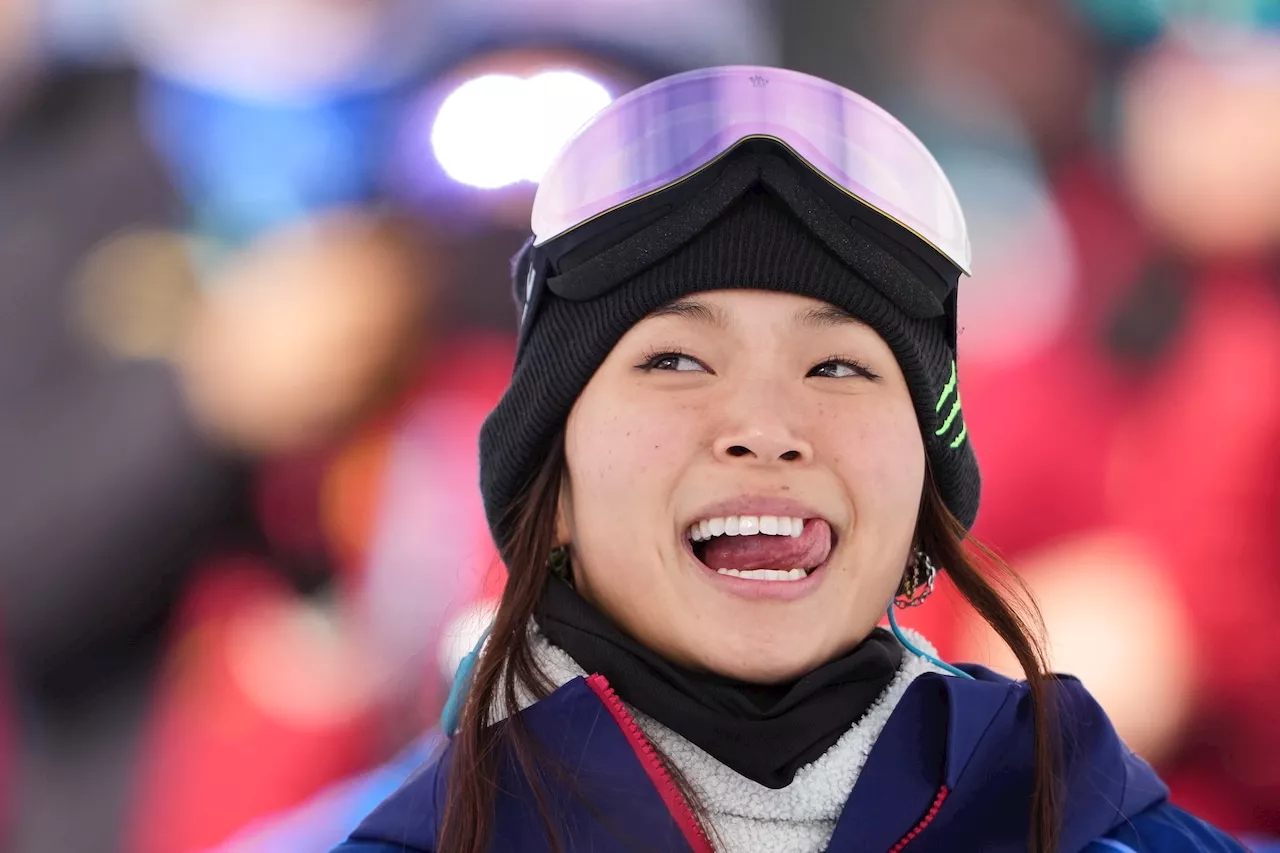
In women’s freestyle moguls skiing, an athlete faced considerable challenges due to a shoulder injury that affected her training. She credited her muscle memory and resilience for advancing to the final, which included 12 competitors. Meanwhile, Italy, the host nation, celebrated its third gold medal, achieved by Andrea Voetter and Marion Oberhofer in the women’s doubles luge.
Beyond the athletic achievements, the Games have highlighted broader global contexts, particularly the ongoing conflict involving Ukrainian athlete Vladyslav Heraskevych. His training helmet, adorned with portraits of Ukrainians killed in the conflict, drew significant attention. The International Olympic Committee has ruled that the helmet will not be permitted in competition, adding complexity to the athlete’s participation and reminding audiences of the profound impacts of global conflicts on individual athletes.
The Milan Cortina Olympics serve not only as a platform for athletic excellence but also as a reminder of resilience and the strength of the human spirit. From Von Allmen’s focused victories to the ongoing complexities faced by athletes like Heraskevych, this year’s Games encapsulate a powerful narrative of sport intertwined with global issues. As the events unfold, the stories emerging from Milan and Cortina reflect the enduring spirit of the Olympics, showcasing both competitive prowess and the capacity for solidarity and connection in challenging times.