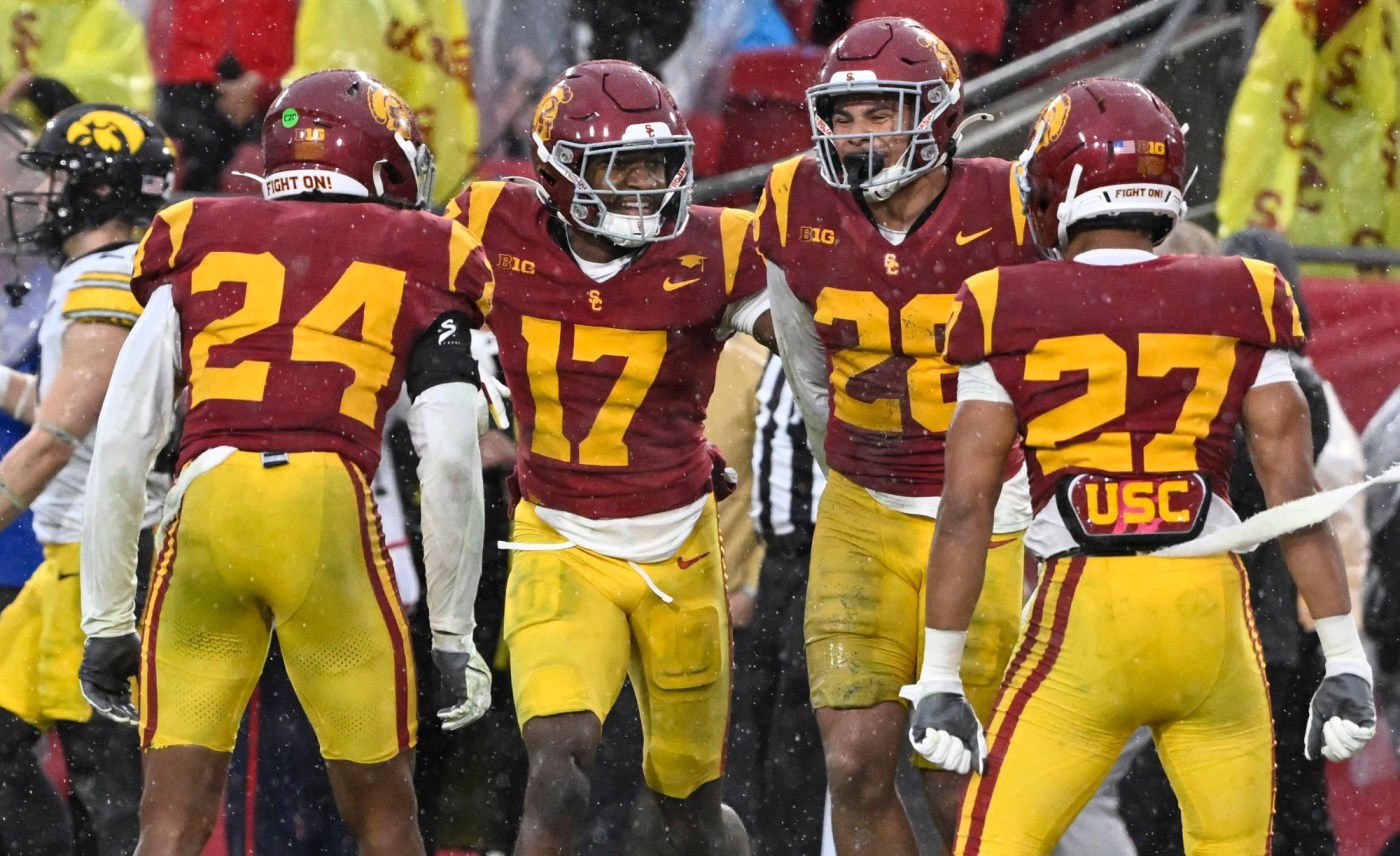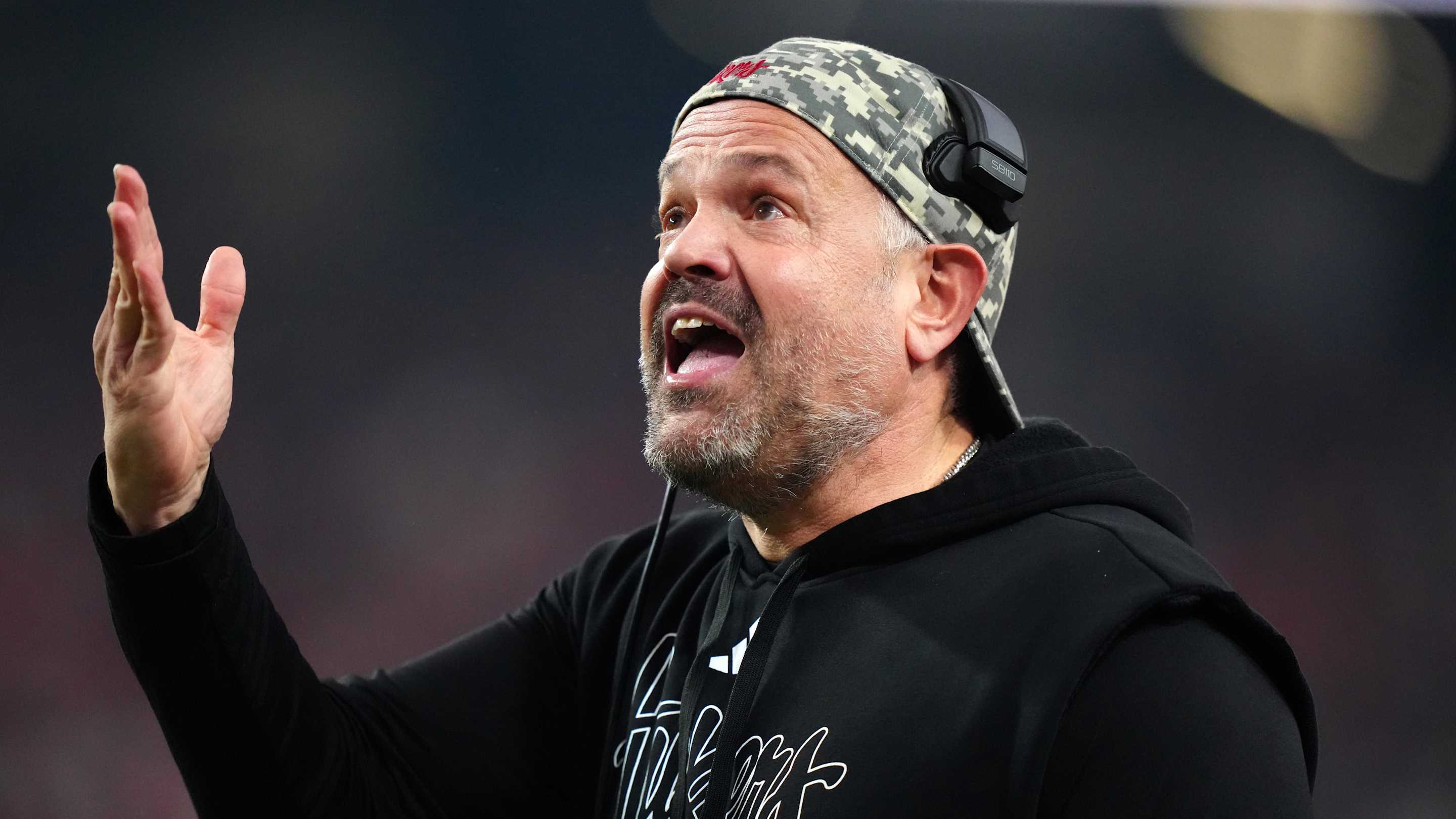
The Utah Utes triumphed over the Nebraska Cornhuskers with a decisive score of 44-22 in the Las Vegas Bowl on December 31, 2025. After a promising first quarter where Nebraska led 14-7, the Utes surged ahead, scoring 37 unanswered points over the final three quarters. This victory pushed Utah’s season record to 11-2, while Nebraska closed the year at 7-6 for the second consecutive season.
Nebraska’s initial advantage came as they outgained Utah 157 yards to 102 in the first quarter. However, the Cornhuskers faltered dramatically, managing just five yards on their next six possessions. In contrast, Utah capitalized on their opportunities, amassing 31 points and 324 yards during their subsequent five drives. Although Nebraska’s defense held Utah to 45 yards below their average of 270 rushing yards per game, it struggled against the Utes’ passing game, allowing 310 yards—169 more than their usual performance.
The absence of key players further hampered Nebraska’s efforts. All-American running back Emmett Johnson did not play, nor did their second-leading tackler, Deshon Singleton. Despite these setbacks, the performance disparity raised serious questions about Nebraska’s trajectory, particularly as they were outscored 121-48 in their last three games.
The Huskers began the season with a 5-1 record and aimed for a competitive finish. Instead, their late-season collapse, including four blowout losses and only two wins in their final seven games, left fans disheartened. Many now question whether the current leadership can successfully navigate the program out of its prolonged mediocrity.
The Las Vegas Bowl served as a crucial evaluation opportunity for Nebraska’s future, particularly given that the team consists of 72% freshmen and sophomores. With the transfer portal opening soon, this game offered a chance to identify areas needing reinforcement. Head coach Matt Rhule has already begun making changes, parting ways with both offensive and defensive line coaches, as well as the defensive coordinator. New offensive line coach Geep Wade has reportedly started to positively influence the personnel, but the need for additional talent remains critical.
On the field, running back Mekhi Nelson stood out with 12 carries for 88 yards, including a 38-yard touchdown run. Quarterback TJ Lateef completed 15 of 28 passes for 182 yards but struggled with his rushing game, yielding only 22 yards after accounting for three sacks. Lateef’s lack of confidence may necessitate the recruitment of a solid quarterback through the transfer portal.
The defensive unit faced significant challenges, although redshirt freshman safety Caleb Benning delivered a standout performance with 13 tackles, a remarkable feat considering he had only 11 career tackles prior to this game. The offense had a promising start but disappeared for significant stretches, only resurfacing when trailing heavily.
Despite the disappointing results, Nebraska did finish the season with a +2 turnover margin, marking the first time the team has achieved a positive turnover margin since 2016. This statistic offers a glimmer of hope amid widespread dissatisfaction.
The rapidly changing landscape of college football, particularly with the introduction of NIL deals and the transfer portal, means that teams can quickly alter their fortunes. For instance, the Utah Utes transformed from a 5-7 record in 2024 to an impressive 11-2 in 2025, largely due to the addition of 14 transfer players, including quarterback Devon Dampier. Dampier’s performance in the bowl game—completing 19 of 31 passes for 310 yards and scoring three rushing touchdowns—illustrates the potential impact of strategic recruiting.
As Nebraska heads into the offseason, fans and analysts alike are left pondering the future of the program. With a budget of $30-40 million for NIL initiatives, there remains a hopeful outlook for improvements. Yet, the overarching question remains: can Nebraska reclaim its status as a competitive force in college football? The upcoming months will determine if the Cornhuskers can convert their potential into performance.