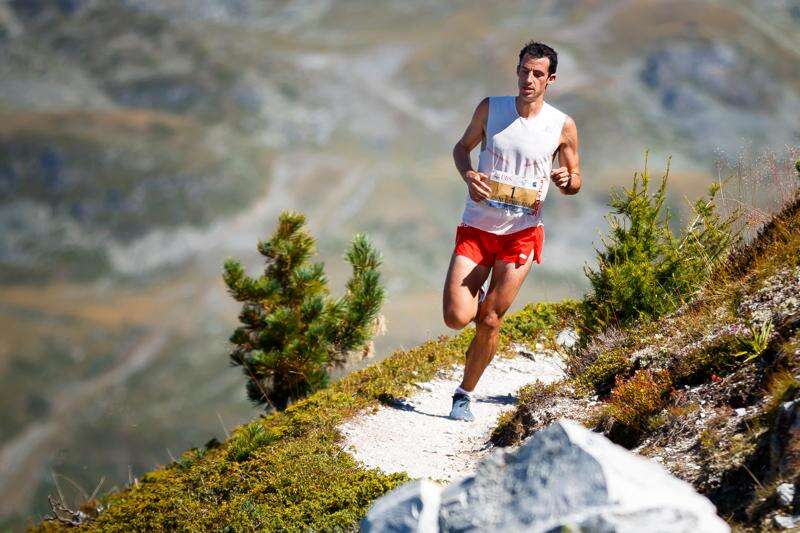
The surge in trail running has captivated outdoor enthusiasts worldwide, with more individuals seen navigating rugged terrains, leaping over rocks and roots. The sport has evolved to encompass a variety of challenges, from off-road jogs on scenic coastal paths to demanding alpine ultramarathons. Kilian Jornet, a prominent figure in this realm, has played a significant role in popularizing long-distance running in nature. The Spanish mountain athlete, hailing from the Catalan Pyrenees, holds numerous world records in both trail running and ski mountaineering.
At 38 years old, Jornet has an impressive track record, including being a four-time champion of the prestigious Ultra-Trail du Mont-Blanc, which features a staggering elevation gain of 10,000 meters over a distance of 170 kilometers. He is also a five-time winner of the Hardrock Hundred, a challenging endurance race in Colorado. In early October, Jornet completed his latest achievement by climbing 72 of the 4,200-meter mountains in the American West within 31 days, exclusively using foot or bicycle travel.
While Jornet’s accomplishments inspire many, he emphasizes that anyone can embark on a trail running journey, provided they respect nature and prioritize safety. In a recent interview with The Associated Press, he shared valuable advice for newcomers to the sport.
Essential Advice for Beginners
When asked about the most crucial tip for aspiring trail runners, Jornet advised, “Don’t rush and enjoy it. Enjoy nature and the landscape, and gradually adapt your body to the terrain.” He recommends starting slowly, perhaps by walking before incorporating short running segments. Beginners should choose easy trails and focus on feeling good and safe during their outings.
Jornet highlighted the common mistake of new trail runners attempting to push themselves too far too quickly. “The body needs time to adjust to elevation, technical terrain, and impact,” he noted. Many underestimate the challenges posed by changing weather conditions and overestimate their energy levels.
For those unsure about where to begin, Jornet suggested a distance of 3–5 kilometers with gentle elevation and wide, non-technical trails. He stressed the importance of finishing a run feeling capable of continuing, indicating a healthy progression. Initially, two to three outings per week, mixing walking and running, can foster enjoyment without overwhelming the body.
Safety and Preparation in Trail Running
Addressing the question of prerequisites for trail running, Jornet stated that prior experience in road running is not essential. While it can be beneficial, trail running also demands balance, coordination, and an awareness of varied terrains—skills that can be developed as one begins.
The unpredictable nature of trail surfaces, which may include rocks, roots, and mud, requires heightened attention and stability compared to road running. As weather conditions can shift rapidly in mountainous regions, proper preparation is vital. “Let your loved ones know where you go,” Jornet advised, emphasizing the importance of safety measures.
Before heading out, Jornet recommends planning the route, checking weather forecasts, notifying someone of travel plans, and being familiar with local emergency services. In many mountainous areas, specialized rescue teams are available, and understanding how to reach them can be crucial.
When it comes to gear, Jornet suggests carrying only the essentials: appropriate shoes, a lightweight jacket, water, food, and basic safety equipment. He always carries a phone with sufficient battery life, and for longer excursions, he includes a jacket for protection against the elements. Beginners might also consider a small first-aid kit and a thermal blanket. “Hydration depends on heat and distance,” he noted, advocating consistent intake of water and quick-energy snacks like gels, nuts, or dried fruits.
Jornet also pointed out that cross-training activities such as hiking, skiing, cycling, and climbing can complement trail running by building endurance and strength while minimizing injury risks. Incorporating gym exercises can further enhance strength, flexibility, and balance.
As for competition, Jornet believes newcomers should consider entering races when running feels natural and they can comfortably complete their usual routes. A short race of 5–10 kilometers can serve as an exciting first step without adding undue stress.
Jornet remarked on the growth of trail running since his beginnings, noting, “When I was younger, it was rare to meet people in the mountains; they told me I was crazy! Now it’s way more common.” He finds joy in seeing more individuals engage with nature through the sport, though he stresses the importance of respecting the environment.
Regarding trail congestion, Jornet acknowledged that some routes can become crowded, particularly during peak seasons. He prefers the solitude of more remote locations. Acknowledging environmental concerns, he urged runners to avoid littering and damaging fragile ecosystems. “Stay on marked trails if you can, leave no trace, respect wildlife, and be considerate to fellow trail users,” he advised.
The essence of trail running, according to Jornet, lies not in speed but in discovering stunning landscapes, learning about oneself, and fostering a deep connection with nature. As more people embrace this invigorating sport, the hope is that they do so with appreciation and care for the environment that sustains it.