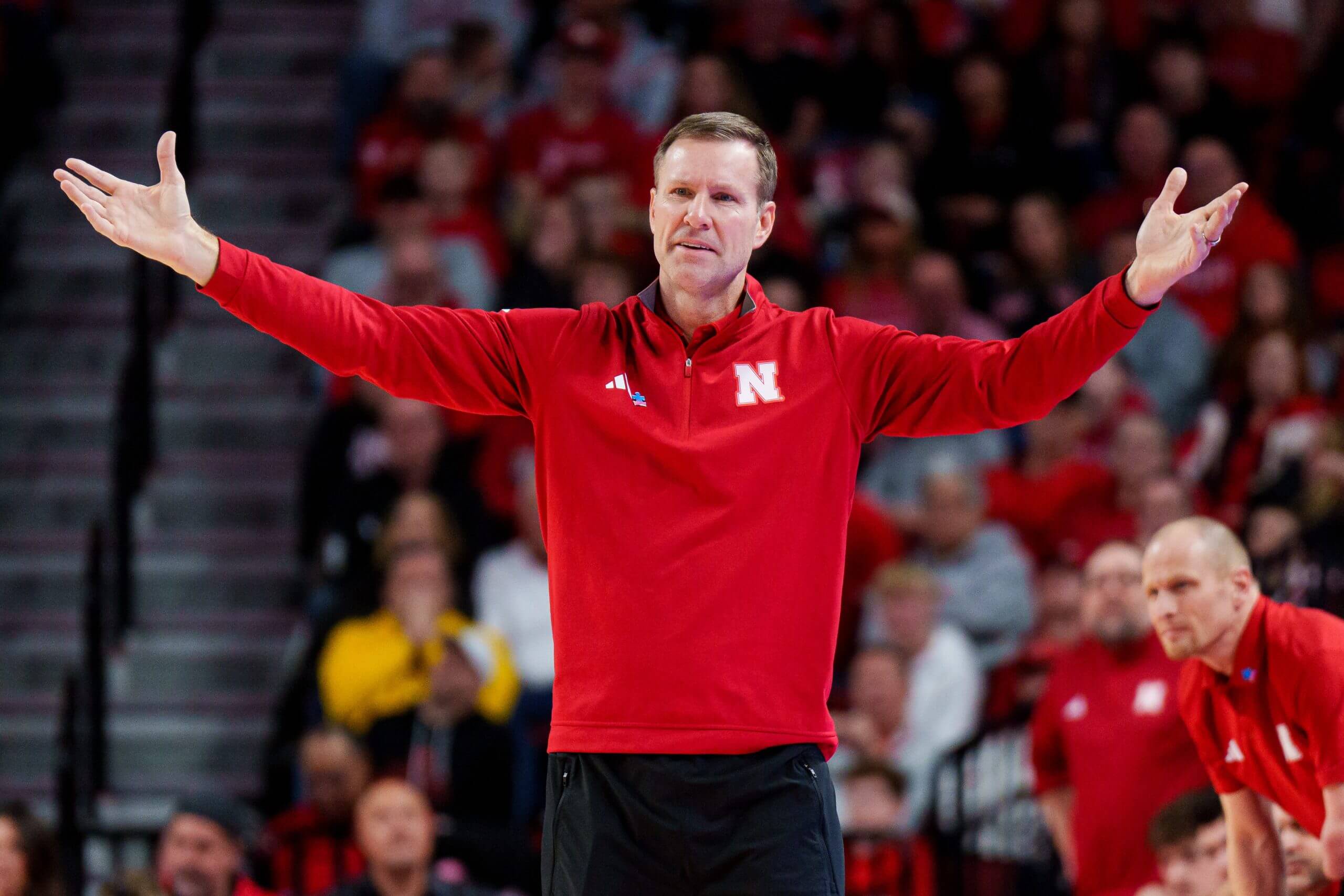
March marks the arrival of March Madness, a highly anticipated period in college basketball that culminates in the NCAA Tournament. As teams prepare for the upcoming challenges, coaches reflect on the difficulties experienced throughout February, a month often characterized by a grueling atmosphere and unpredictable performances.
While March offers the excitement of 68 teams competing in a bracket-style tournament, February tends to be a challenging month in the college basketball calendar. Coaches navigate the ups and downs of their players’ performances, which can lead to public displays of frustration. The enthusiasm of November, with its thrilling matchups, quickly fades as teams contend with the monotony of league play, often resulting in a lack of motivation.
As Fred Hoiberg, head coach of the Nebraska Cornhuskers, noted, “It’s a grind once you get into late January and February. You’ve got different teams fighting for different things.” This sentiment encapsulates the strain felt across the college basketball landscape during the final weeks of the regular season. Coaches attempt to maintain their players’ focus, with varying degrees of success.
In February, teams often experience a dip in offensive efficiency. According to CBB Analytics, Power 5 teams recorded an offensive efficiency of 120.3 in November, which decreased to 114.4 by February. This decline in performance can lead to frustrating losses, as teams grapple with the pressure of competing for NCAA Tournament spots. In the final week of the month, several teams, including Iowa State and Tennessee, suffered surprising defeats that jeopardized their postseason aspirations.
The emotional toll on coaches becomes evident as they navigate the high-stakes environment. For instance, after a loss to Alabama, Tennessee head coach Rick Barnes remarked, “Not everybody was totally locked in.” Similarly, Mick Cronin, head coach of UCLA, expressed his disbelief at his team’s struggles, stating, “It’s been a grind, something I haven’t experienced in 30 years in college.”
Despite the frustrations of February, the arrival of March signals a shift in focus. Coaches and players alike turn their attention to the NCAA Tournament, where the stakes are higher and the potential for redemption is palpable. It is a time when teams can transform their season’s narrative through remarkable performances, often leading to unexpected upsets.
As the final week of the regular season unfolds, the intensity of competition escalates. Teams that have faced adversity throughout the previous month now have the opportunity to prove their mettle on a national stage. March Madness offers a fresh start, allowing teams to rise above their February challenges and aim for glory.
In this critical period, coaches must adapt their strategies to foster resilience within their teams. They face the dual challenges of motivating players while navigating the unpredictable nature of college basketball. As the tournament approaches, the outcome of these efforts will be closely watched by fans and analysts alike.
For many coaches, March represents both the culmination of a season’s hard work and the potential for career-defining moments. As they prepare for the NCAA Tournament, they must confront the reality that not all teams will emerge victorious. For some, the pressure of March may lead to unthinkable losses or even the end of their tenure.
As March Madness looms, the college basketball community braces for a month filled with thrilling moments, emotional highs and lows, and the enduring hope of victory. Coaches and players alike will continue to navigate the challenges of the season, but with the promise of new opportunities just around the corner.