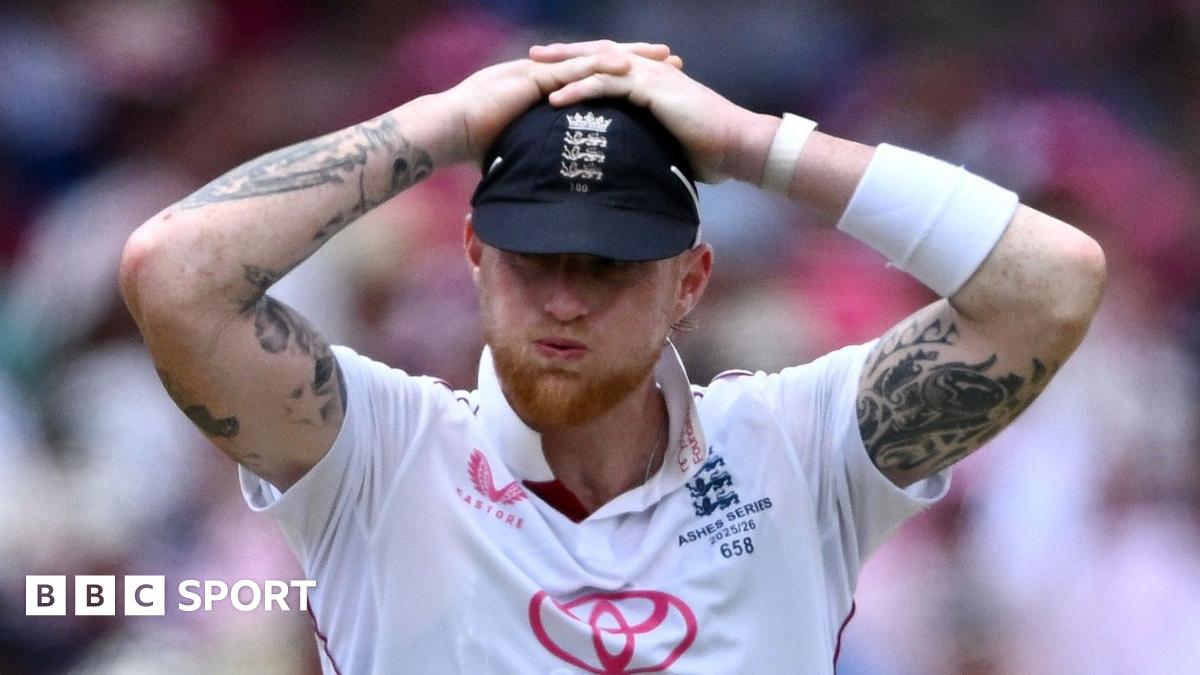
The final Test of the Ashes series at the Sydney Cricket Ground saw England facing yet another disappointing conclusion to their tour of Australia. As the match unfolded, the atmosphere signalled a sense of finality. England’s hopes of salvaging pride with a victory to narrow the series deficit to 3-2 quickly faded, leaving them to grapple with a potential 4-1 loss that reflects their struggles throughout the series.
This tour has been marked by a series of challenges for England, highlighted by injuries and inconsistent performances. Key players such as Mark Wood and Jofra Archer were unable to contribute, leaving England’s bowling attack weakened. The situation grew dire as Matthew Potts, the team’s eighth-choice seamer, found himself opening the bowling, underscoring the depth of England’s troubles.
As the match progressed, the third day became particularly grim for the tourists. England began the day with a score of 323-5 but quickly collapsed under pressure. Travis Head capitalised on the situation, scoring freely while England’s bowlers struggled to find their rhythm. Michael Neser, Australia’s nightwatchman, faced more deliveries than England’s top three combined, a testament to the tourists’ inability to seize control of the match.
England’s batting woes continued as their players struggled to maintain focus. A notable drop by Will Jacks added to the team’s misfortunes. The day concluded with Steve Smith scoring a century, reinforcing his status as a formidable opponent for England. His performance has often been a thorn in the side of English cricket, contributing to numerous defeats over the years.
Implications for English Cricket
The disappointing outcomes of this series have sparked discussions regarding the future direction of English cricket. Brendon McCullum, the head coach, has faced scrutiny over his methods, with many questioning whether a change in leadership could provide the necessary boost for the team. England’s management, including Richard Thompson and Richard Gould from the England and Wales Cricket Board, have observed the situation closely, understanding the weight of accountability following this tour.
Critics argue that the current approach lacks the structure and detail needed for success at the highest level. The revolving door of coaching staff and strategies has left players without a coherent plan, resulting in a lack of accountability and responsibility on the field. The absence of a comprehensive training regimen has further exacerbated the issues, leaving players ill-prepared for the rigours of Test cricket.
There are concerns that the frequent changes in leadership and strategy could hinder the development of promising young players within the squad. The current generation of cricketers is navigating an environment that seems to lack the consequences of poor performances, which can stifle growth and learning.
Looking Ahead
As England reflects on this series, the immediate future remains uncertain. The ongoing discussions about coaching staff and team dynamics will play a crucial role in determining the path forward. Ben Stokes, the team captain, has publicly supported McCullum but may need to advocate for changes that could enhance the team’s performance.
While the focus will soon shift to upcoming matches, the lessons learned from this Ashes series will be pivotal. England must confront the reality of their shortcomings and devise a plan to rebuild and strengthen their team for future challenges. With the tour concluding in Sydney, it feels like more than just a match; it marks another chapter in a broader narrative of struggle for English cricket on Australian soil.