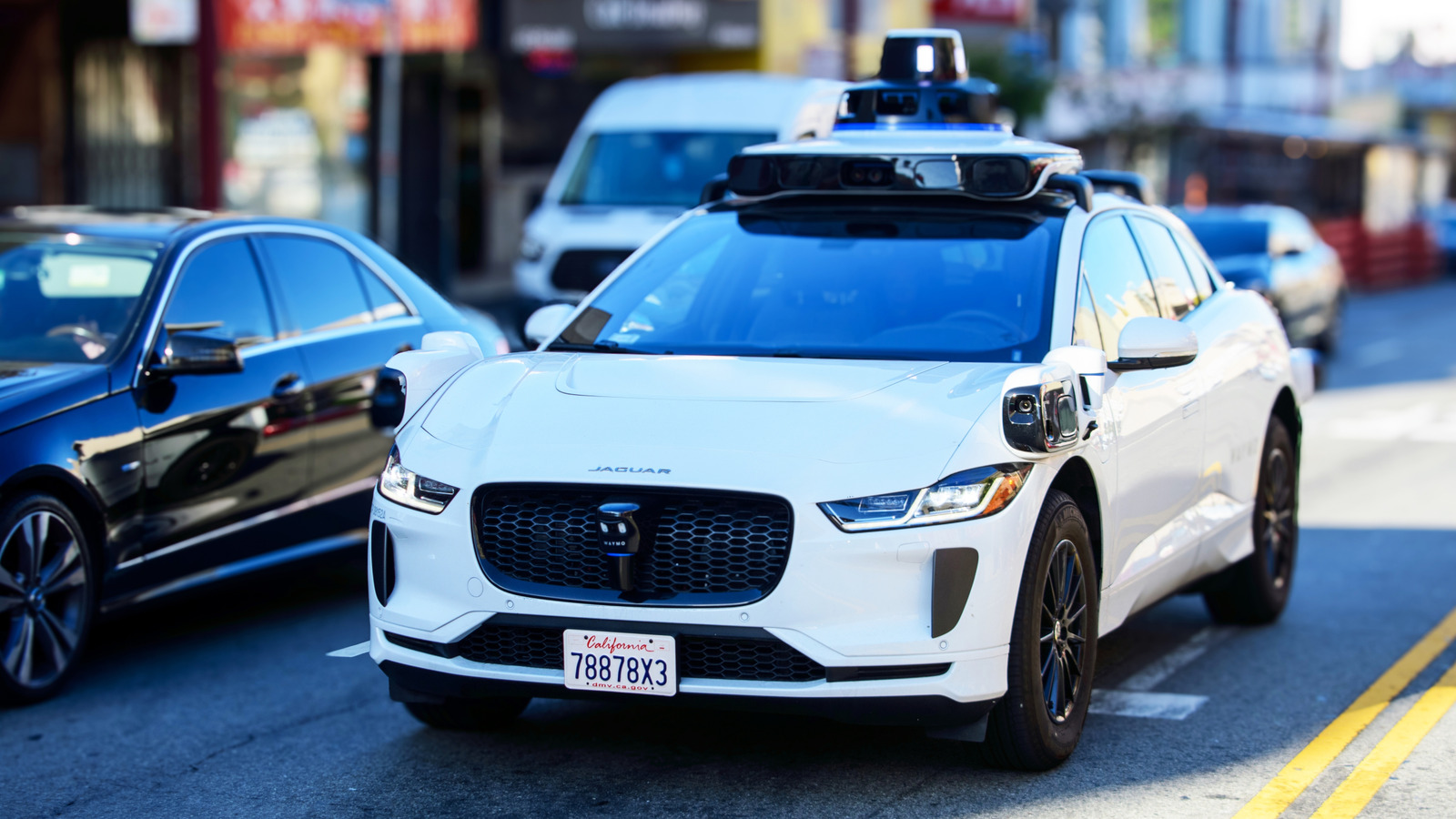
A woman gave birth inside a Waymo robotaxi while en route to the University of California San Francisco Hospital earlier this week. This incident marks a unique moment in the evolving role of autonomous vehicles in everyday life.
The woman was already in labor when she entered the Waymo vehicle. As she was traveling to the hospital, the Waymo Rider Support Team detected “unusual activity” inside the car, prompting them to make contact with her. Upon realizing the situation, the team promptly called 911 on her behalf. Despite the emergency, the Waymo vehicle arrived safely at the hospital with an additional passenger before emergency services could intervene.
Jess Berthold, a spokesperson for the University of California San Francisco Hospital, confirmed the arrival of both the mother and her newborn to NBC News. Although the hospital has not disclosed further details about the mother or her baby, it remains unclear if the infant has been humorously named “Waymo” in recognition of the unusual birth location.
In a statement to various media outlets, including KRON4 and NBC News, Waymo expressed pride in providing reliable transportation for significant life moments. The company stated, “We’re proud to be a trusted ride for moments big and small, serving riders from just seconds old to many years young. We wish the new family all the best, and we look forward to safely getting them where they’re going through many of life’s events.” Following the incident, Waymo confirmed that the vehicle involved was immediately removed from service for cleaning.
While robotaxis have garnered attention for occasional safety issues, such as failures to stop for school buses, data indicates that Waymo’s vehicles are generally safer than human drivers. One medical professional has even referred to them as “a public health breakthrough.” The robotaxi maintained its focus on safe driving throughout the birth, contrasting with the potential distractions a human driver might have faced in the same situation.
Although an ambulance would typically be the optimal choice for such an emergency, the high costs associated with ambulance services can make a Waymo a viable alternative for individuals in urgent situations. As the story unfolds, the implications of this birth inside an autonomous vehicle will likely resonate in discussions about the future of transportation and healthcare.