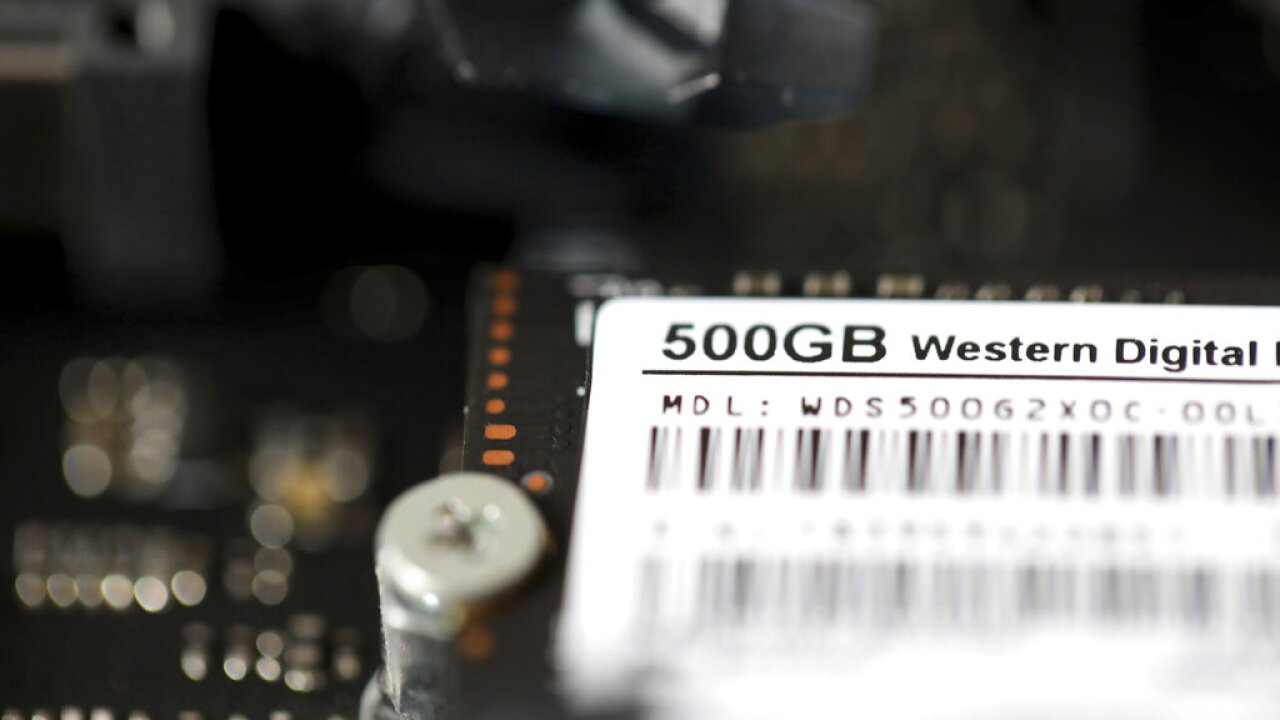
Western Digital, a leading hard drive manufacturer, has announced a significant challenge in its supply chain. The company is already “pretty much” sold out of its hard disk drive capacity for 2026, driven by a surge in demand primarily linked to artificial intelligence (AI) technology. This information was disclosed by CEO Irving Tan during the company’s quarterly earnings call.
In the call, Tan reported a revenue of $3.02 billion, marking a 25% increase from the same period last year. He attributed this growth to what he referred to as an “AI-driven data economy.” According to Tan, Western Digital has secured purchase orders with its top seven customers, indicating robust demand for its products.
Rising Demand and Supply Constraints
The rise in demand for hard drives is largely fueled by large technology companies and data center operators that are investing heavily in AI systems. These systems require substantial storage capacity, and as a result, the supply of certain hard disk drives is becoming increasingly constrained. Industry analysts have noted that when supply is limited and demand remains high, prices are likely to rise.
“Western Digital’s strong performance this quarter reflects our disciplined execution to meet demand in the AI-driven data economy, and the confidence our customers place in our ability to deliver reliable, high-capacity HDDs at scale,” Tan emphasized during the earnings call. The company’s ability to manage production amid rising demand will be crucial in maintaining its competitive edge in the market.
As the tech industry continues to evolve, the implications of this supply shortage could extend beyond just hard drives. The escalating costs and limited availability of storage solutions may impact various sectors reliant on data processing and storage capabilities, ultimately affecting end-users and consumers.
In a related context, the AI sector is undergoing its own transformations, with notable shake-ups involving leading researchers. Recently, top figures have departed from organizations like OpenAI and Anthropic, citing concerns over the risks associated with AI technology. This ongoing evolution highlights the urgency for robust infrastructure, including reliable storage options, as companies navigate the complexities of AI development.
As Western Digital navigates these challenges, the company’s strategic decisions regarding production capacity and customer partnerships will play a pivotal role in shaping its future in the rapidly changing technology landscape. With AI continuing to drive demand, the hard drive market is poised for significant developments in the coming years.