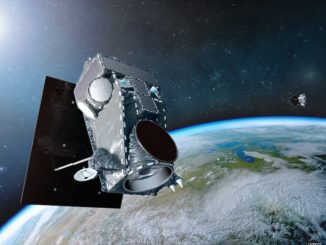
SpaceX is gearing up for the launch of 29 Starlink satellites aboard its Falcon 9 rocket from the Cape Canaveral Space Force Station in Florida. The mission, designated Starlink 6-61, is scheduled for liftoff on October 22, 2024, at 15:16 EST (2016 UTC). This launch marks SpaceX’s third Falcon 9 flight in less than 48 hours and will be the company’s 295th orbital launch from its Space Launch Complex 40.
Preparations are underway at the launch site, where the Falcon 9 stands poised for takeoff. Following its launch trajectory, the rocket will head southeast from the Florida Space Coast. The mission aims to enhance the growing network of Starlink satellites, which provide broadband internet access globally.
Weather Conditions for Launch
The 45th Weather Squadron has predicted a 70 percent chance of favorable weather conditions at the start of the launch window, which increases to 80 percent as the window progresses. Meteorologists have cautioned that a cold front moving into the area may cause showers and possibly an isolated thunderstorm before the front passes.
“Conditions are expected to improve behind the front,” launch weather officers stated. They also warned of breezy winds, with gusts reaching up to 30 mph in stronger storms. The forecast indicates that weather may initially hinder the launch but should become more favorable as the window advances.
Details of the Falcon 9 Mission
The Falcon 9 rocket for this mission, identified as B1077, is making its 25th flight into space. This booster has participated in various missions, including Crew-5, GPS III SV06, and CRS-28. Approximately 8.5 minutes after liftoff, the Falcon 9 is expected to land on the drone ship named ‘A Shortfall of Gravitas.’ If successful, this landing will mark the 135th successful landing on this vessel and the 543rd landing overall for SpaceX boosters.
SpaceX’s ongoing efforts to expand its Starlink constellation reflect the company’s commitment to providing high-speed internet service across diverse regions, including underserved areas. Live coverage of the launch will begin approximately one hour before the scheduled liftoff, allowing viewers to follow the events as they unfold.