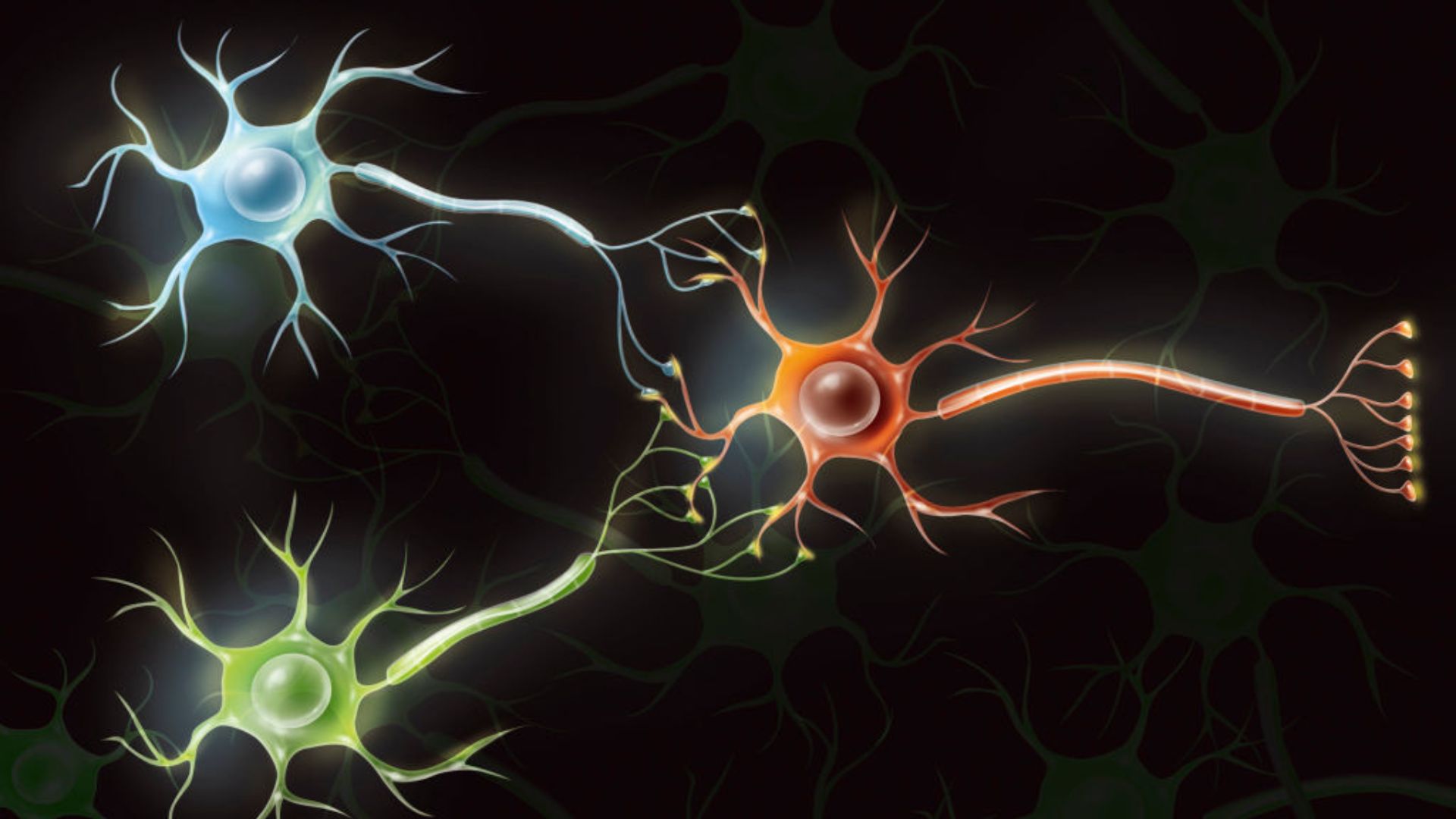
Researchers at the University of California, San Diego have made significant strides in the field of biotechnology by developing biocomputers that utilize human brain cells. These innovative systems harness biologically derived materials, such as DNA, proteins, and living tissue, specifically lab-grown neurons, to execute computational tasks. This groundbreaking approach could redefine how we understand computing and biological systems.
The team of scientists, led by neuroscientist Dr. Adam Gazzaley, aims to integrate biological intelligence with traditional computing methods. By using neurons, the researchers are attempting to create a new class of computers that not only process information but also learn and adapt over time. The implications of this research extend beyond mere computation; they touch on areas such as artificial intelligence and neurobiology.
Understanding Biocomputers
A biocomputer functions differently from conventional computers. Instead of silicon-based circuits, it operates using living cells that can react to stimuli and learn from their environment. This unique capability may allow biocomputers to handle complex tasks more efficiently than traditional systems. According to the research team, these devices could potentially outperform existing technologies in areas such as data processing and problem-solving.
The foundation for this research lies in the ability to cultivate neurons in a laboratory setting. The scientists utilized a specific type of neuron, which has shown promise in previous studies for its adaptability and responsiveness. By embedding these neurons with DNA and proteins, the team was able to create a system that mimics certain aspects of human cognitive functions.
Potential Applications and Future Prospects
The potential applications for biocomputers are vast and varied. One possible use is in the field of medicine, where these devices could assist in diagnosing diseases or personalizing treatment plans based on individual patient responses. Additionally, biocomputers may revolutionize artificial intelligence by providing systems that learn in a manner similar to the human brain.
As this research progresses, ethical considerations will also need to be addressed. The integration of living cells into computing devices raises questions about the management and treatment of biological materials. The research team is aware of these concerns and is committed to ensuring that their work adheres to ethical standards.
In conclusion, the development of biocomputers represents a significant advancement in both neuroscience and computational technology. With ongoing research and collaboration among scientists, the future may hold even more innovative solutions that blend biology with computing. As Dr. Gazzaley noted, “This is just the beginning of what we can achieve when we combine the principles of biology and technology.” The journey towards fully functional biocomputers is underway, and it promises to reshape our understanding of both fields.